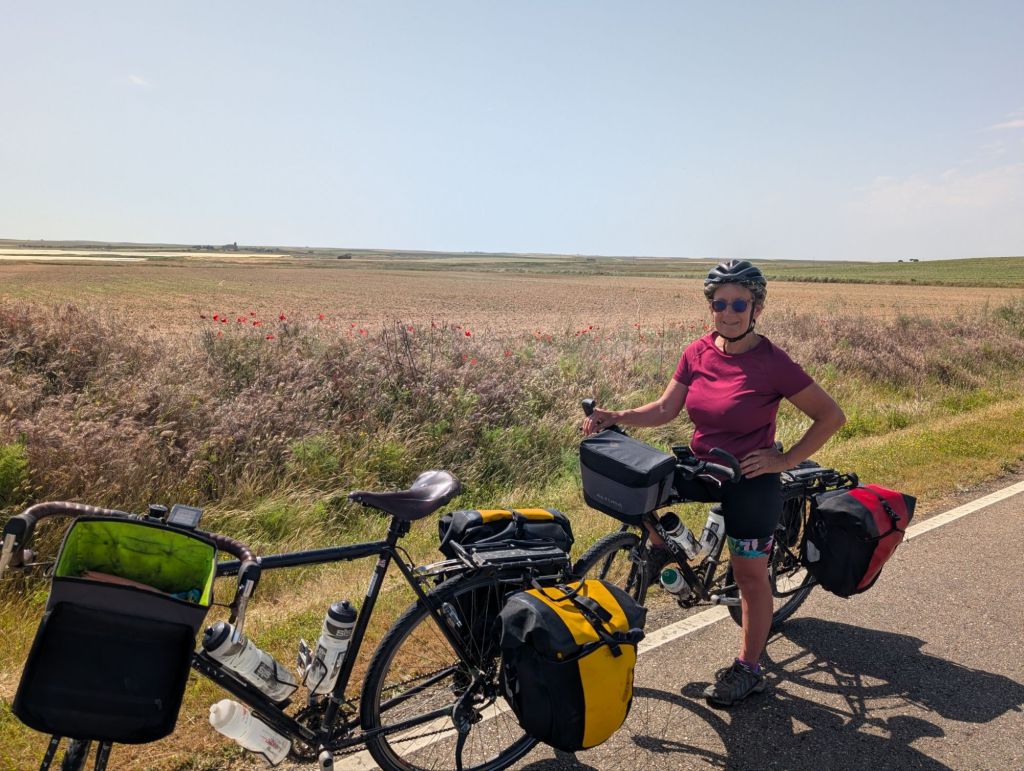
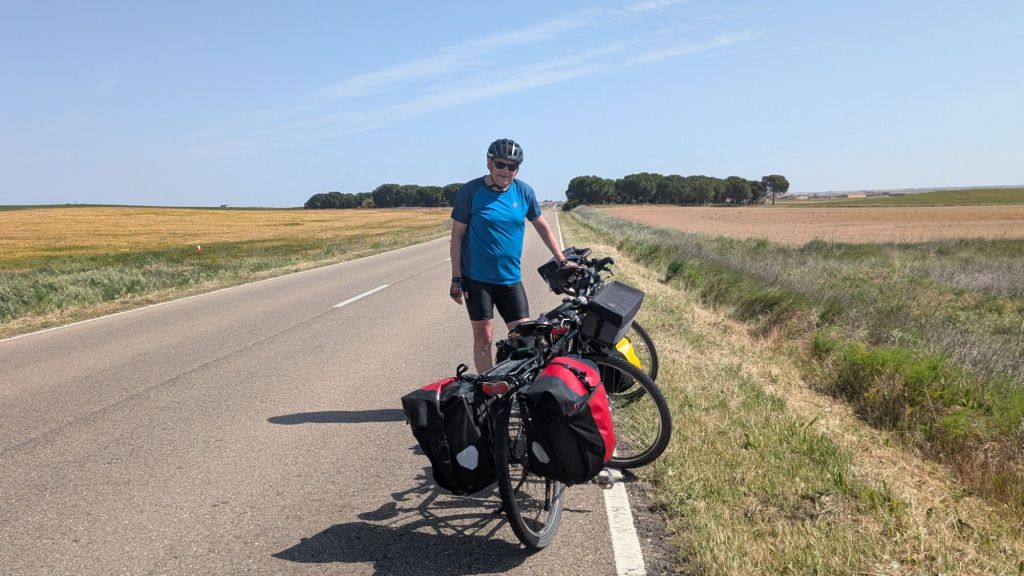
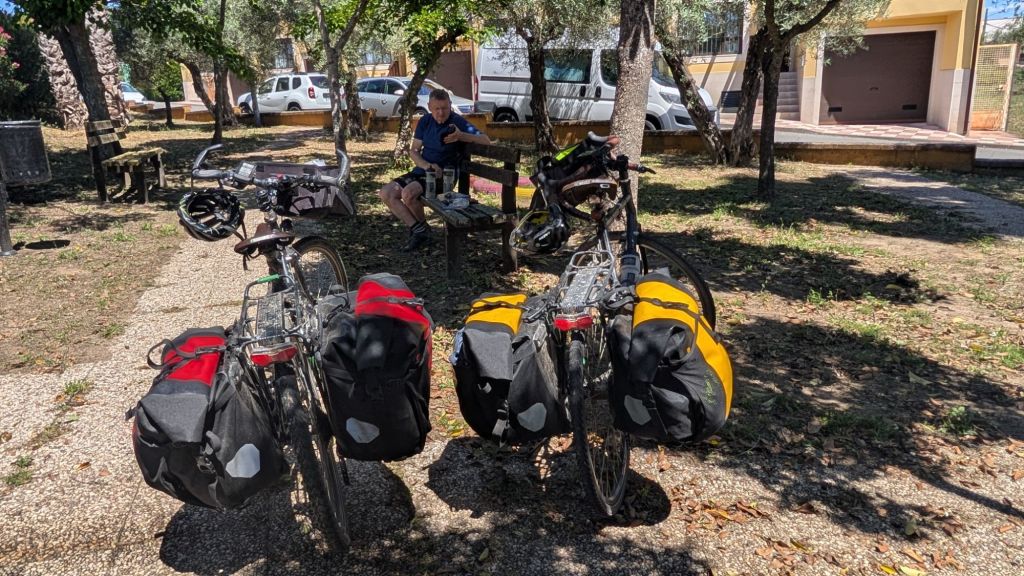
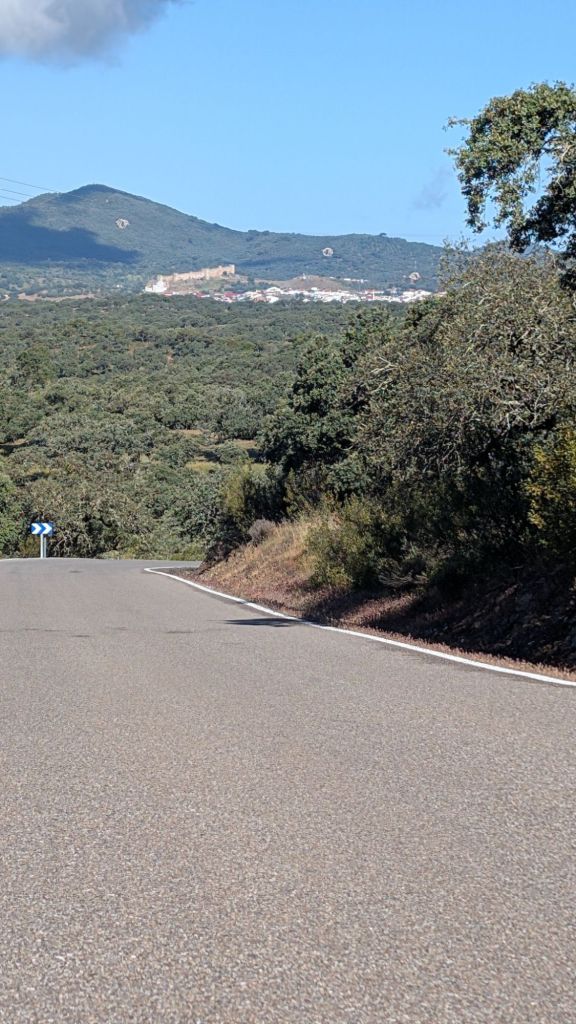
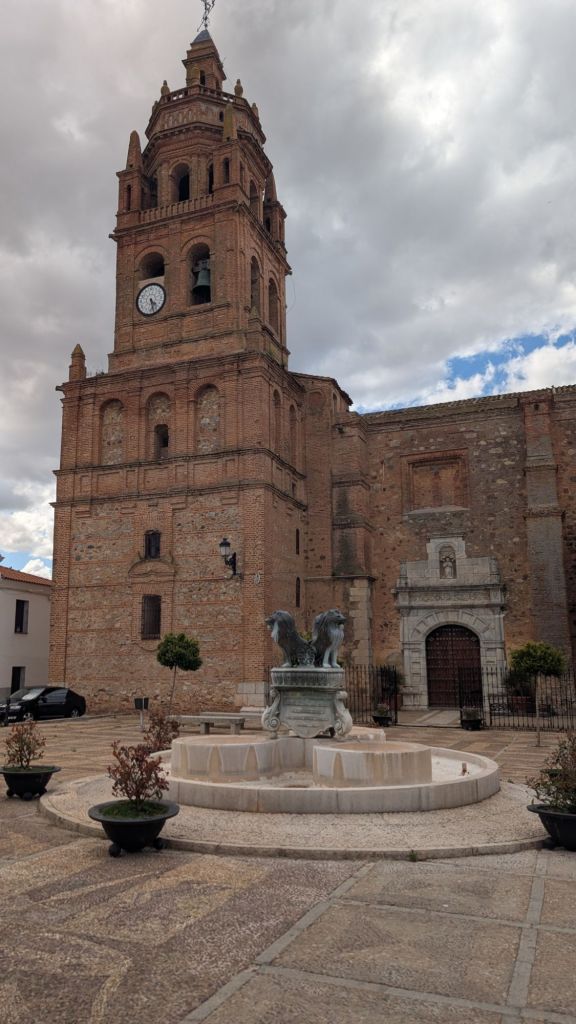
Today was our last full day’s cycling this trip. As ever, it seems to have gone so fast but we also seem to have been away for ages. Thoughts start to turn to home but we were determined to make the best of the day. We had “um’d” and “ah’d” over the route. We could do route through the mountains which would be beautiful but involve a lot of very steep climbing. We felt untested on steep climbing and a close look at the route plotted on Kamoot had long stretches of 10-15% gradients and possibly steeper. As important, this route would only get us as far as Oviedo, leaving us a 45km cycle in the morning for our afternoon flight. This felt a bit anxious about this part of the plan because, if anything went wrong with the bikes, we could still be a long way from the airport and be somewhere where getting help was impossible. We therefore opted for a flatter route to Oviedo and then press on to Aviles, on an estuary on the north coast.
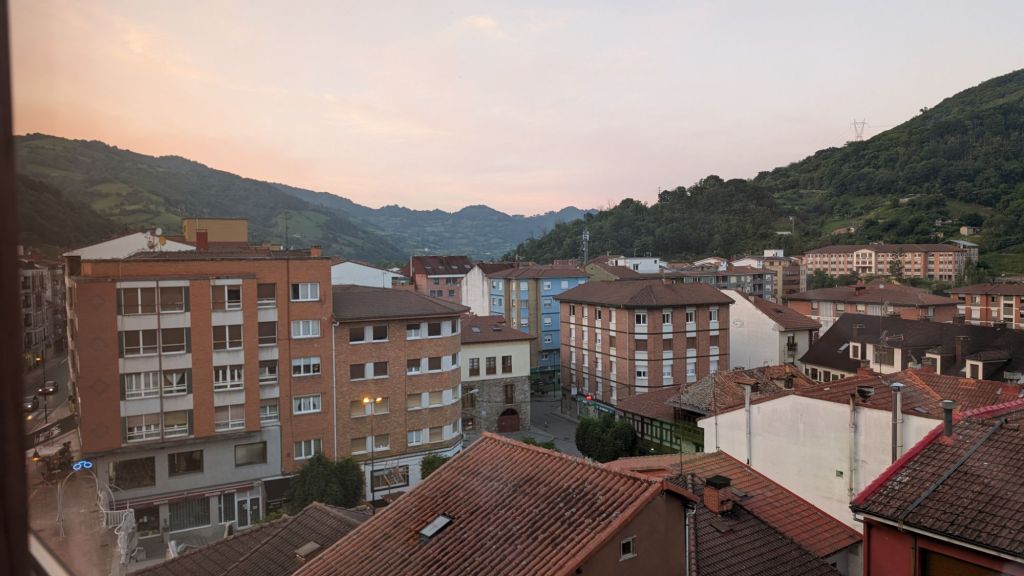
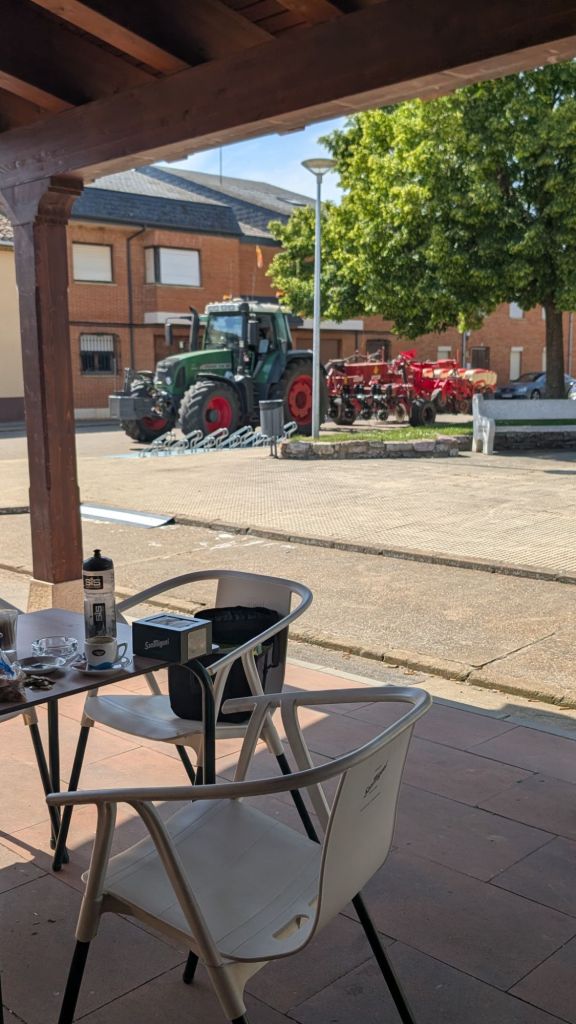
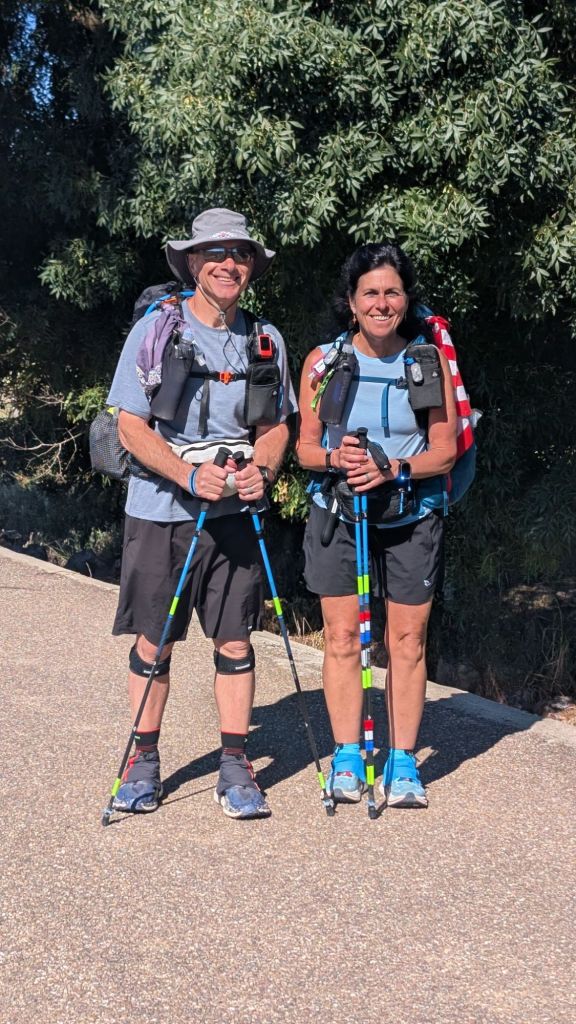
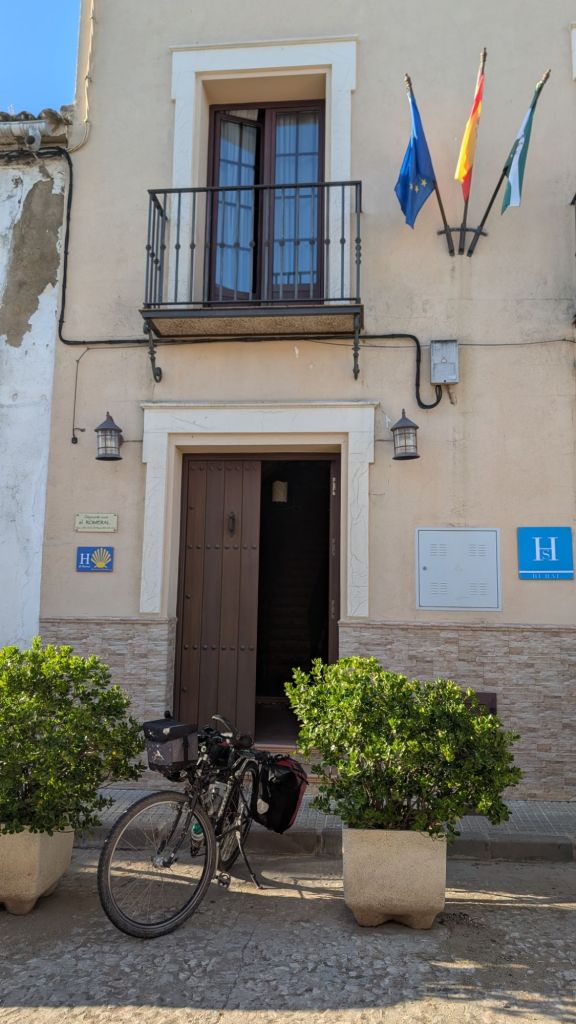
We checked out of our basic but pleasant hotel. No breakfast there but we had large cups of coffee at a cafe across the road whilst chatting to an Irish walking pilgrim who had been on the road for 6 or 7 weeks. Despite a lilting accent from the Emerald Isle, it turned out that he recently moved to Pershore from Basingstoke – both places with which we have a connection. It was a delight to catch up with a fellow traveller.
As we pushed off we had our first (near) crisis of the day. We turned back to the hotel as we had left all our water bottles in the reception area! Lucky we noticed before we set off!
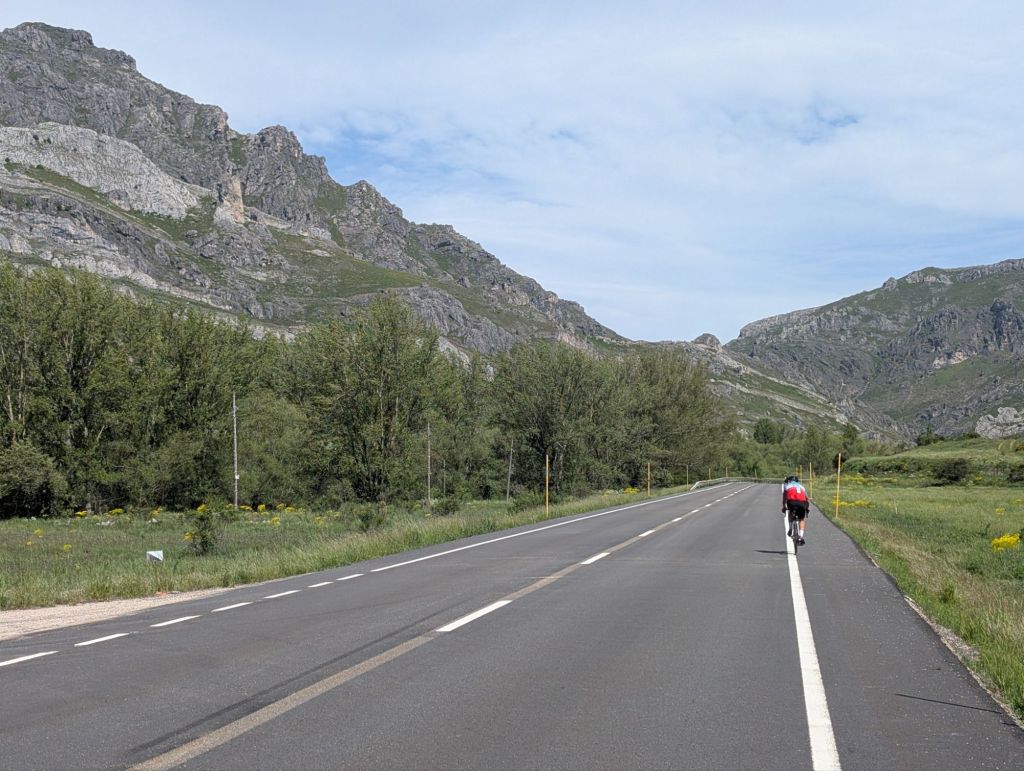
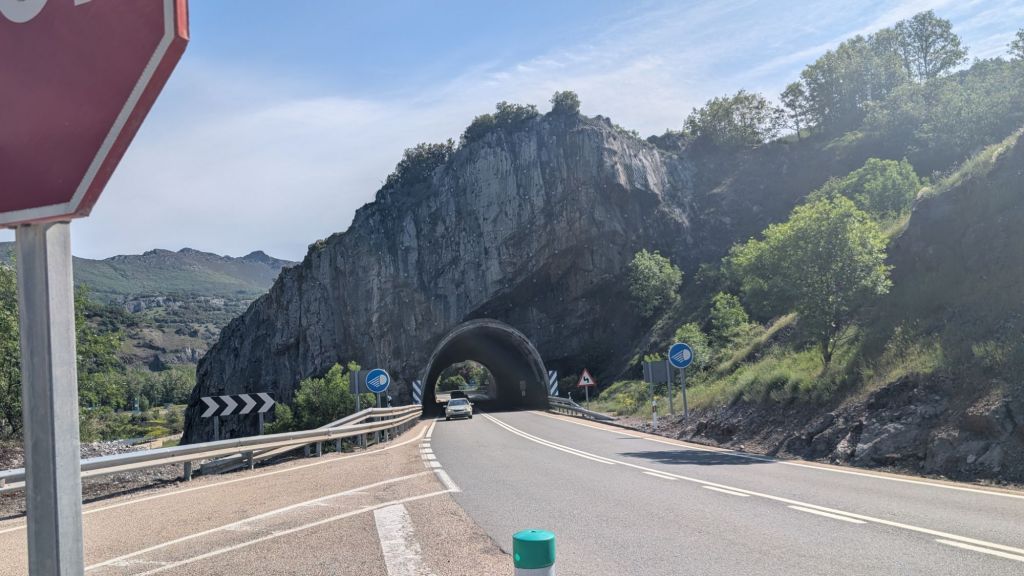
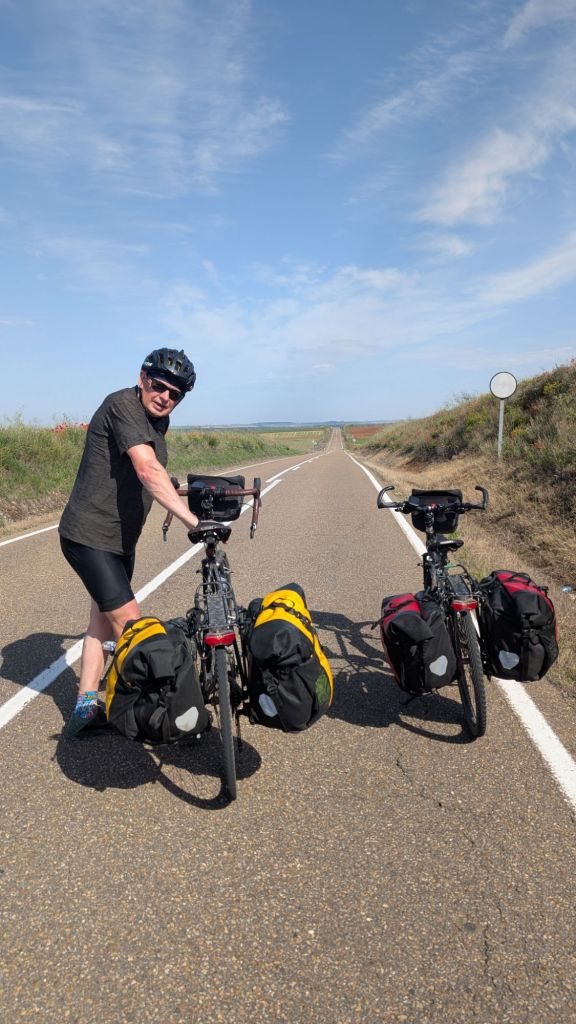
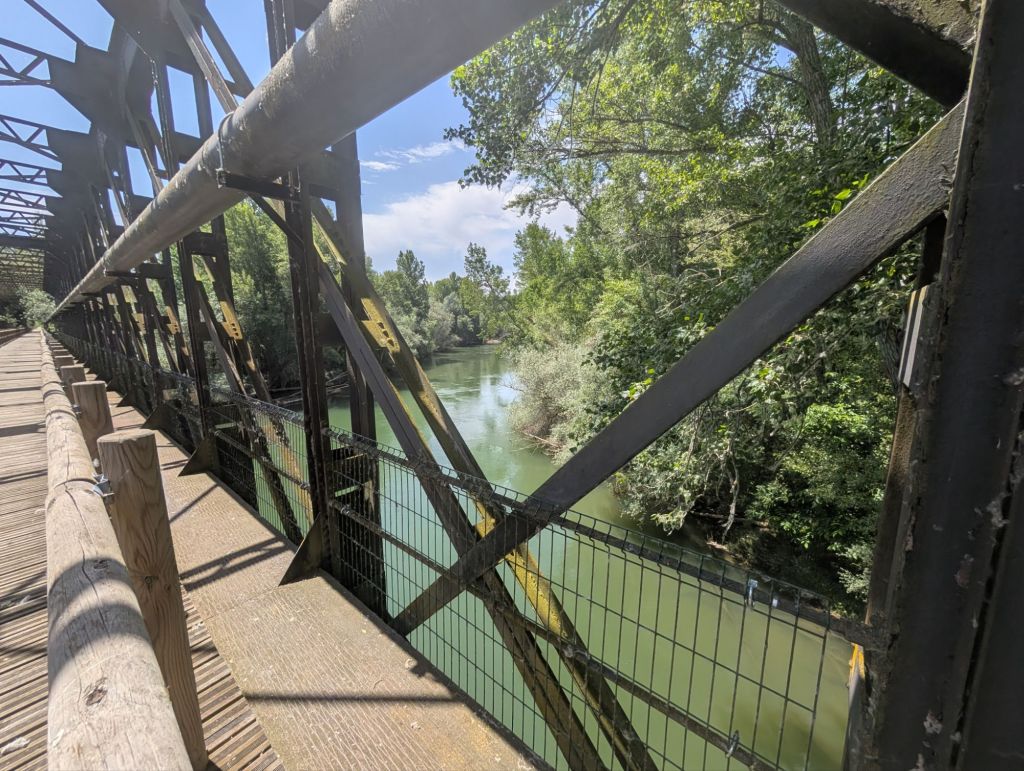
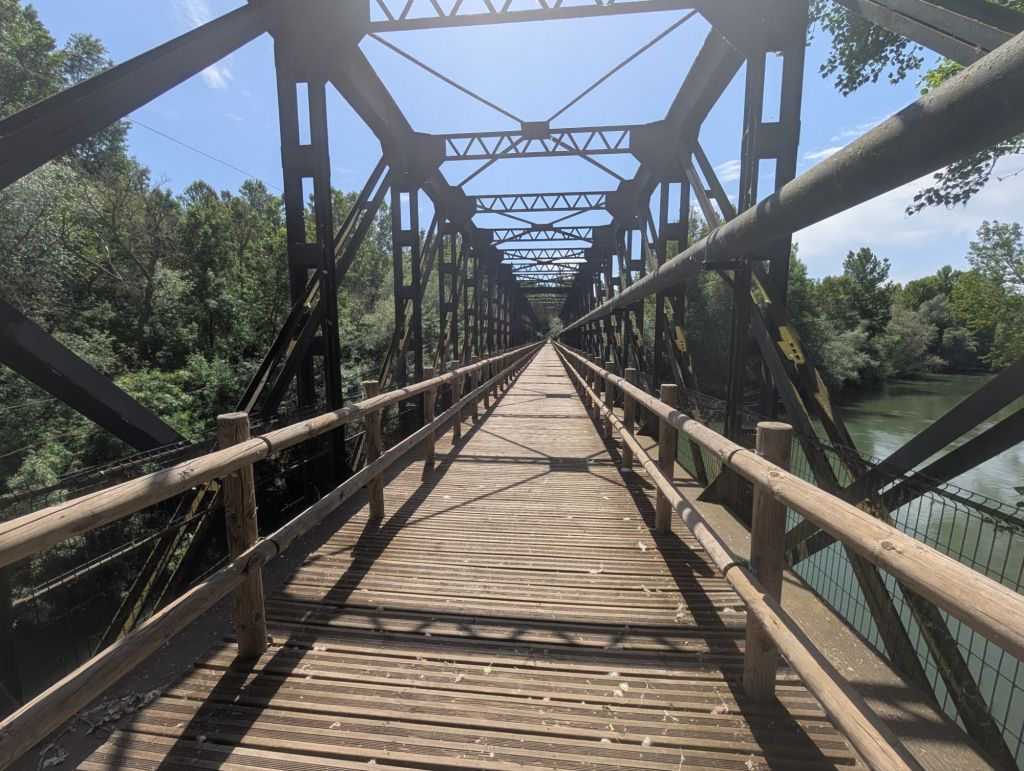
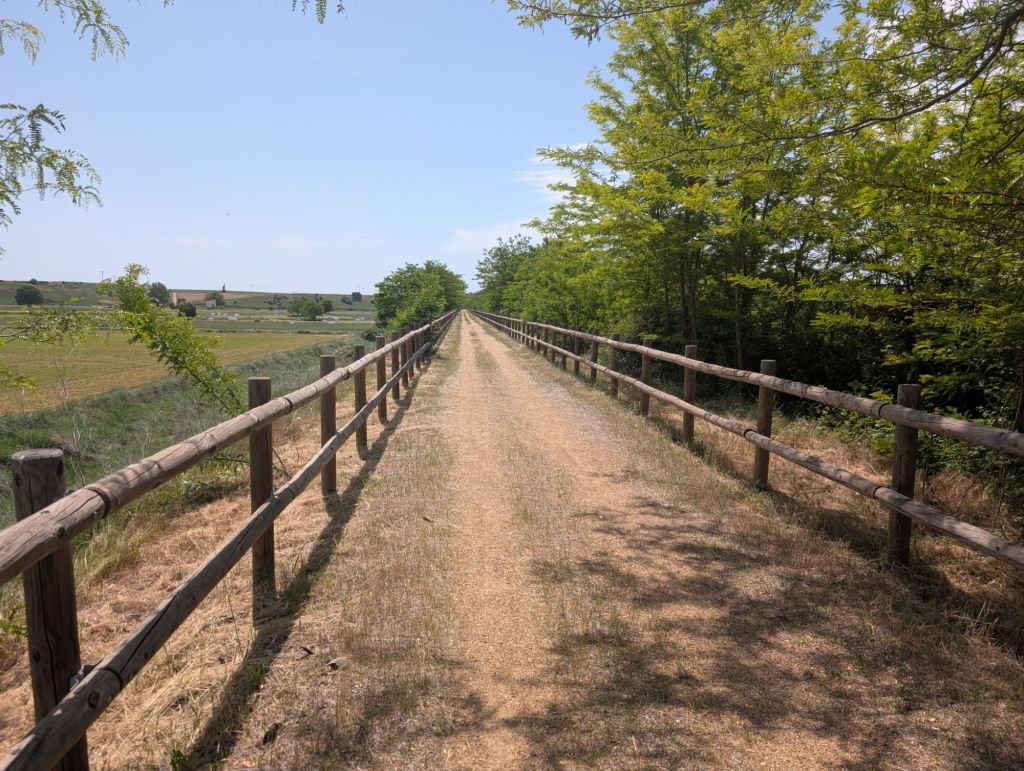
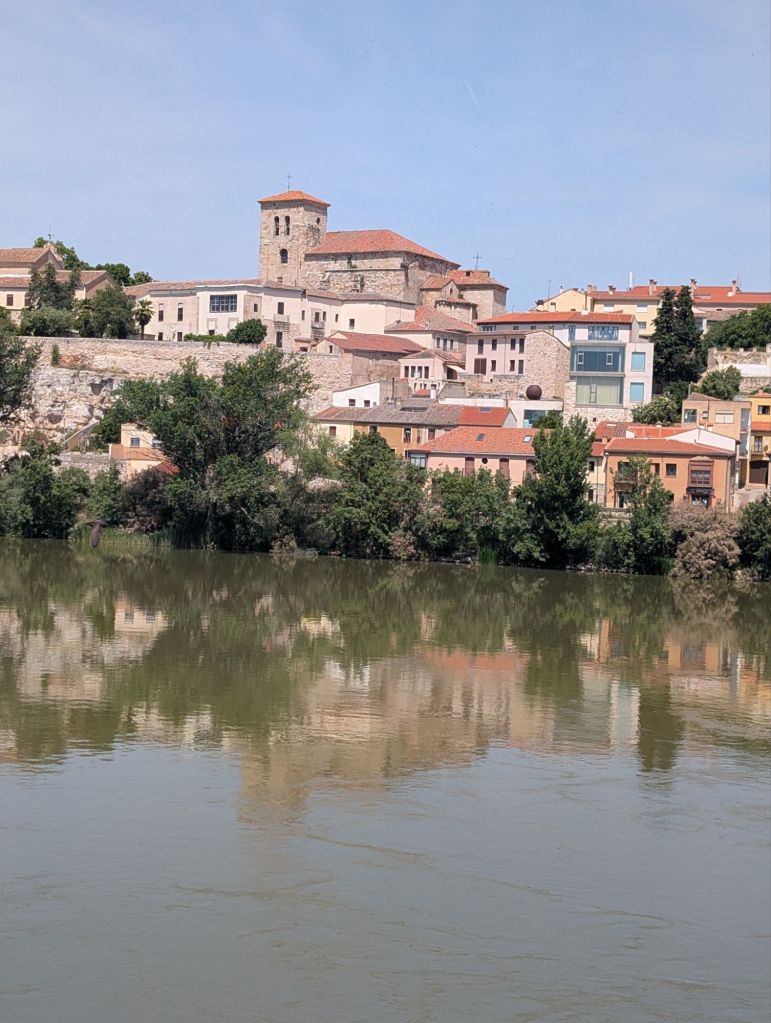
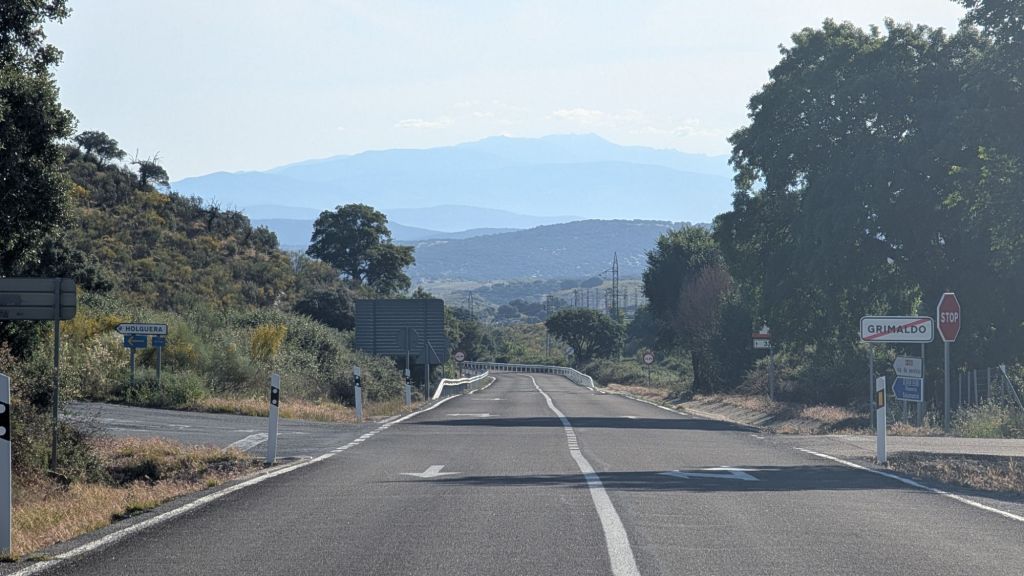
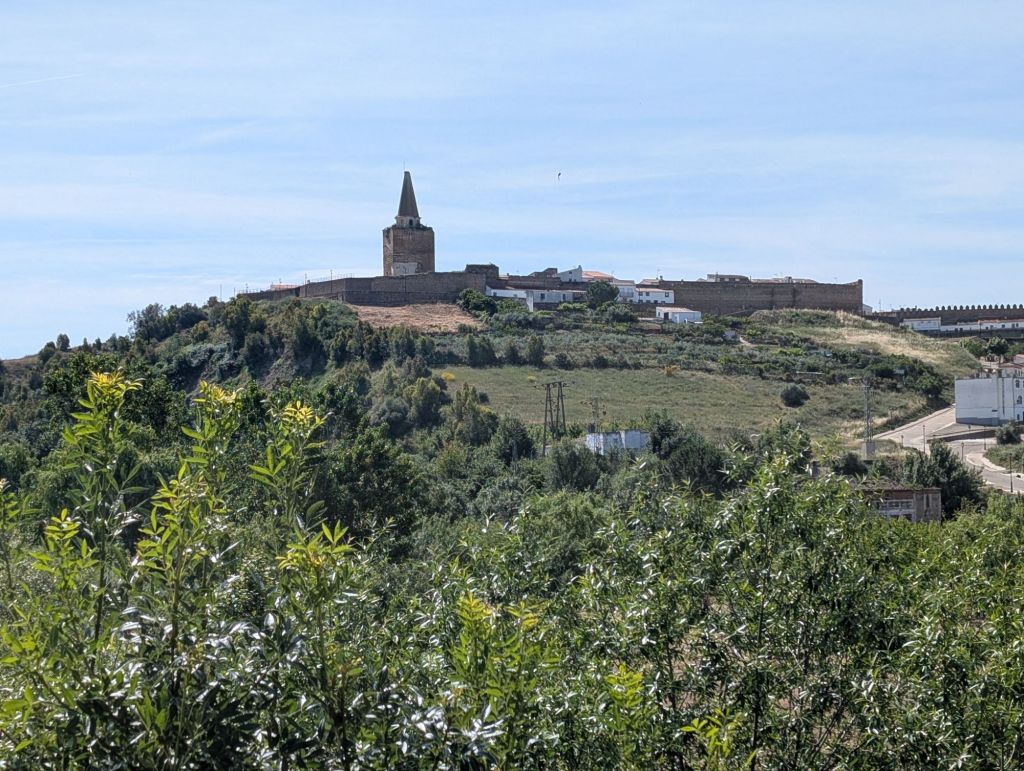
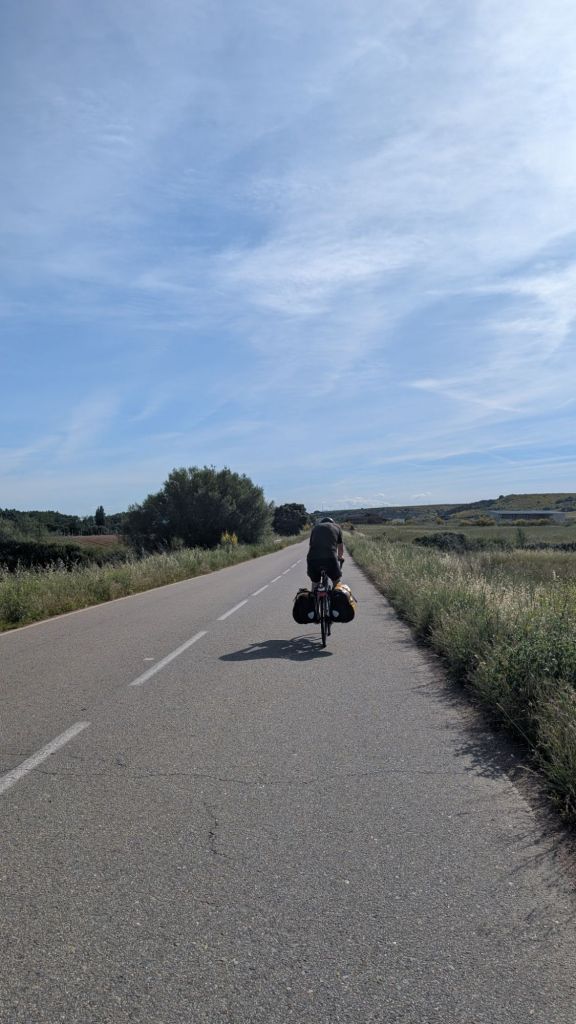
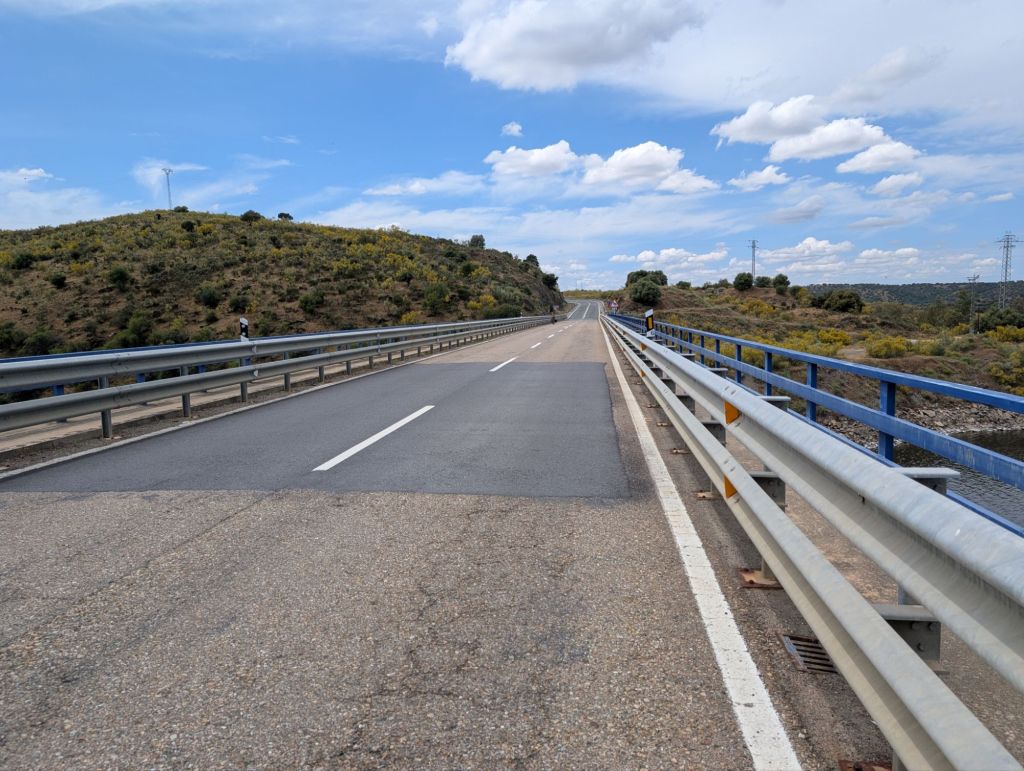
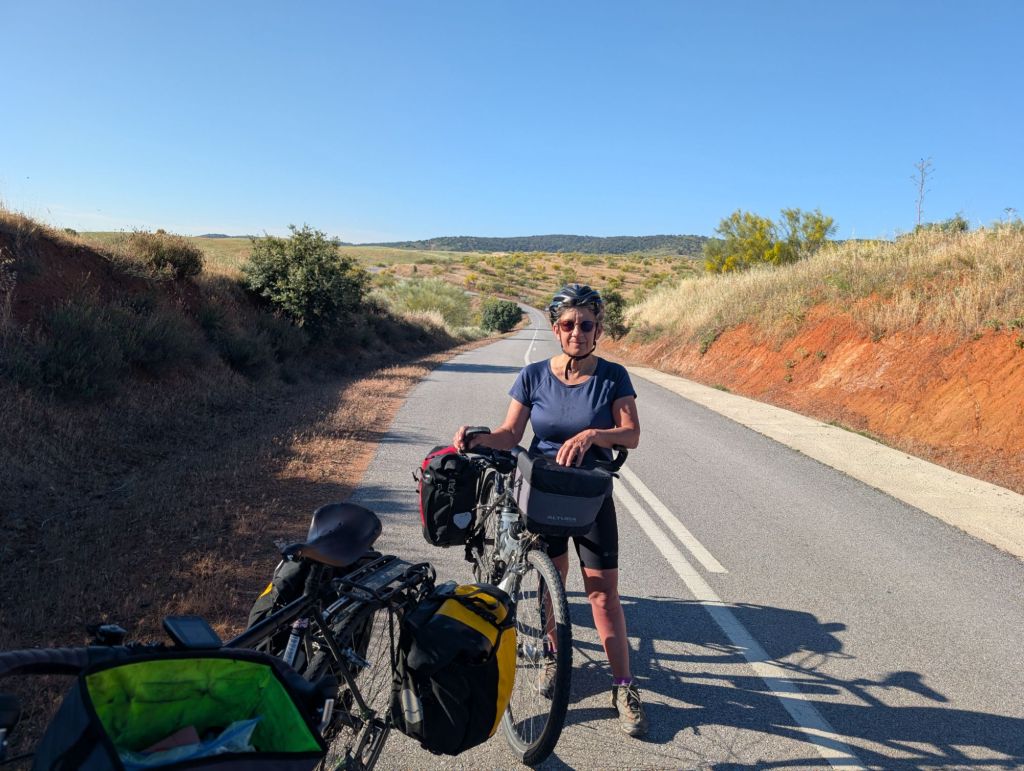
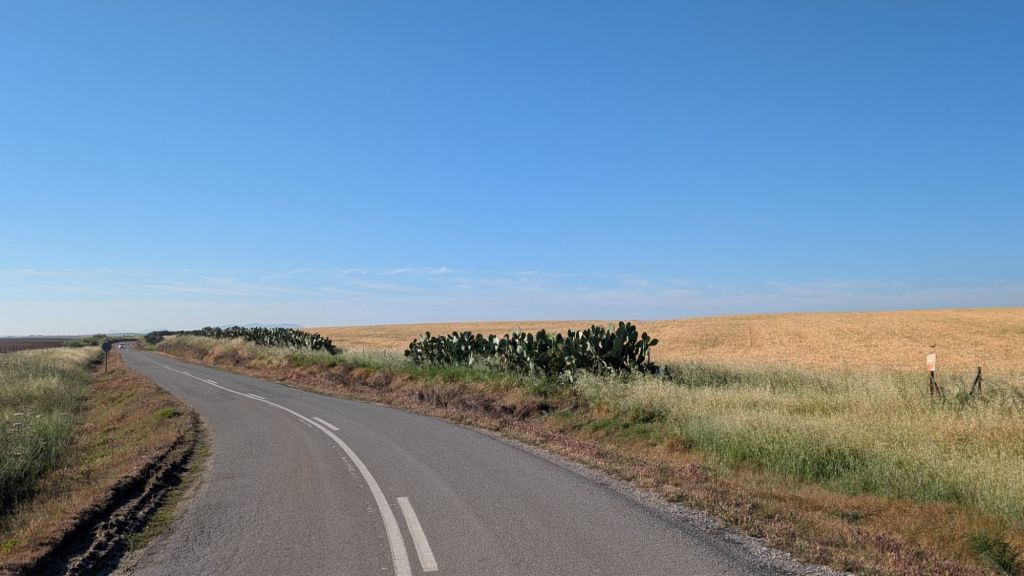
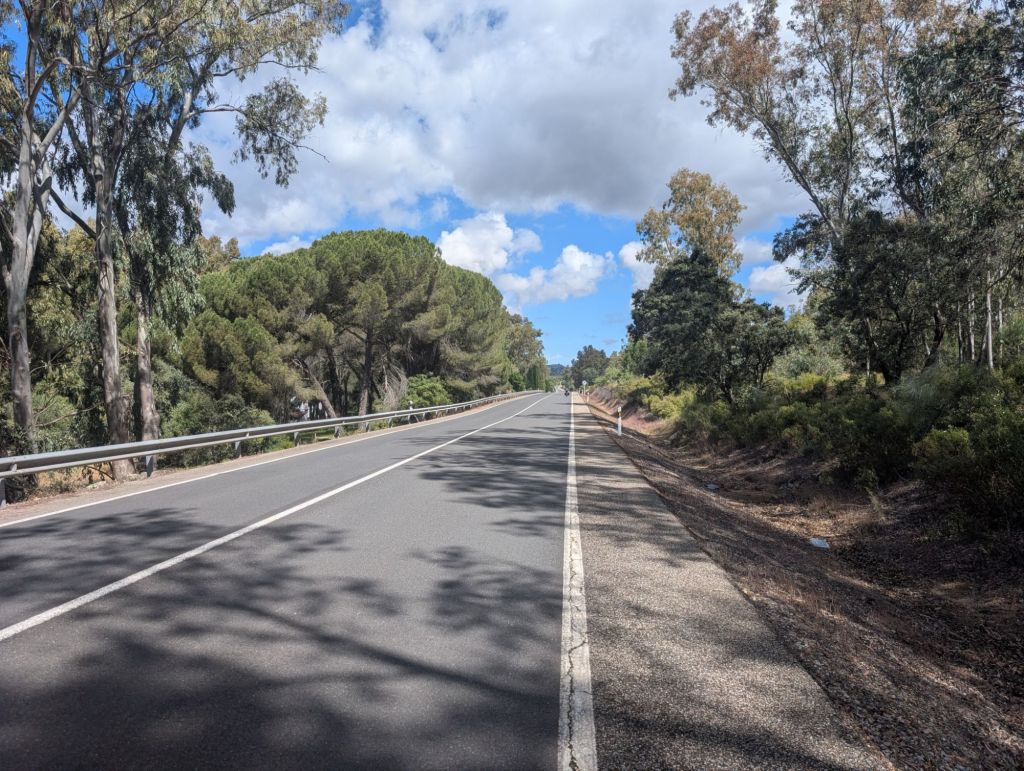
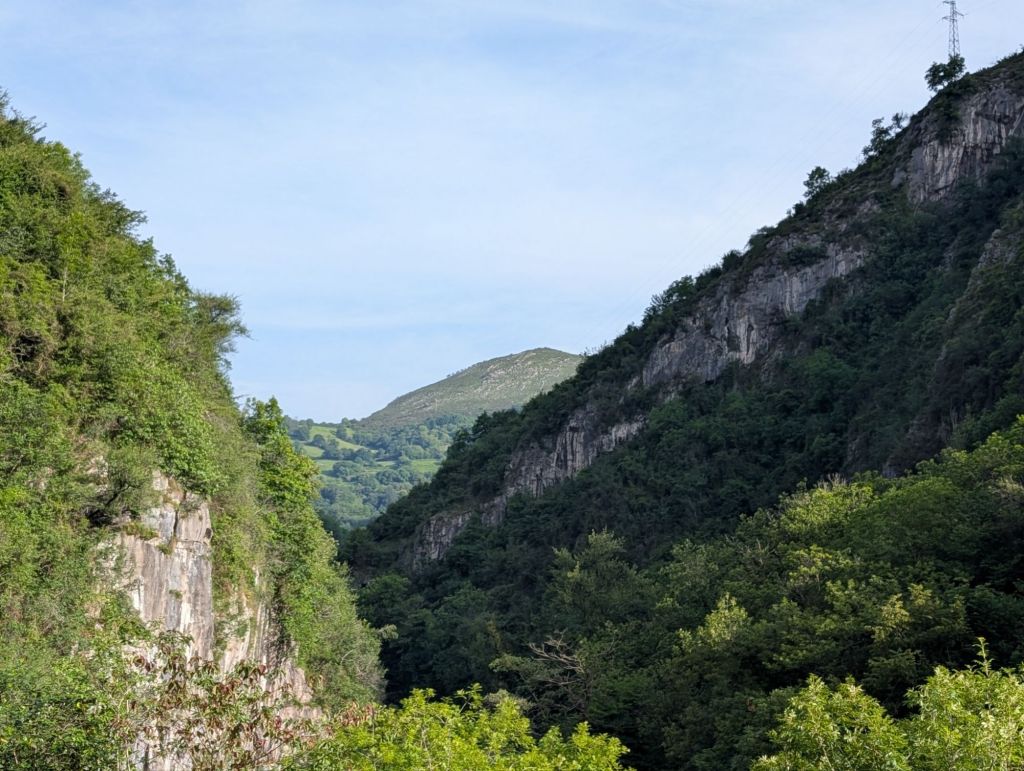
The first half of the day’s trip to Oviedo was a gentle down hill all the way, following a river. First on quiet country roads then on a good paved bike path along the river. There was a rather noisy motorway on other side of the river and the area was quite industrialised, but it was very easy cycling. As the river veered round a mountain, the motorway diverted to be drilled straight through in a tunnel, but we had a very pleasant stretch still following the river. We re-joined back the N630, possibly for nearly the last time. The km numbers were now down below 50 and we remember when they were over 700! It was empty and quiet, and took us along a gorge and through a series of small tunnels. The last 8km into Oviedo turned out to be one of the more unpleasant stretches. In my mind I had thought of Oviedo as being in a valley by the river, but this was an old city and such settlements were usually perched up high to provide a measure of protection against marauding enemies. Not only was it a long climb up to the city, the road was really busy, it was getting hot and the city centre itself seemed to take an age to find. It was, as David remarked, the city that we never quite reached!
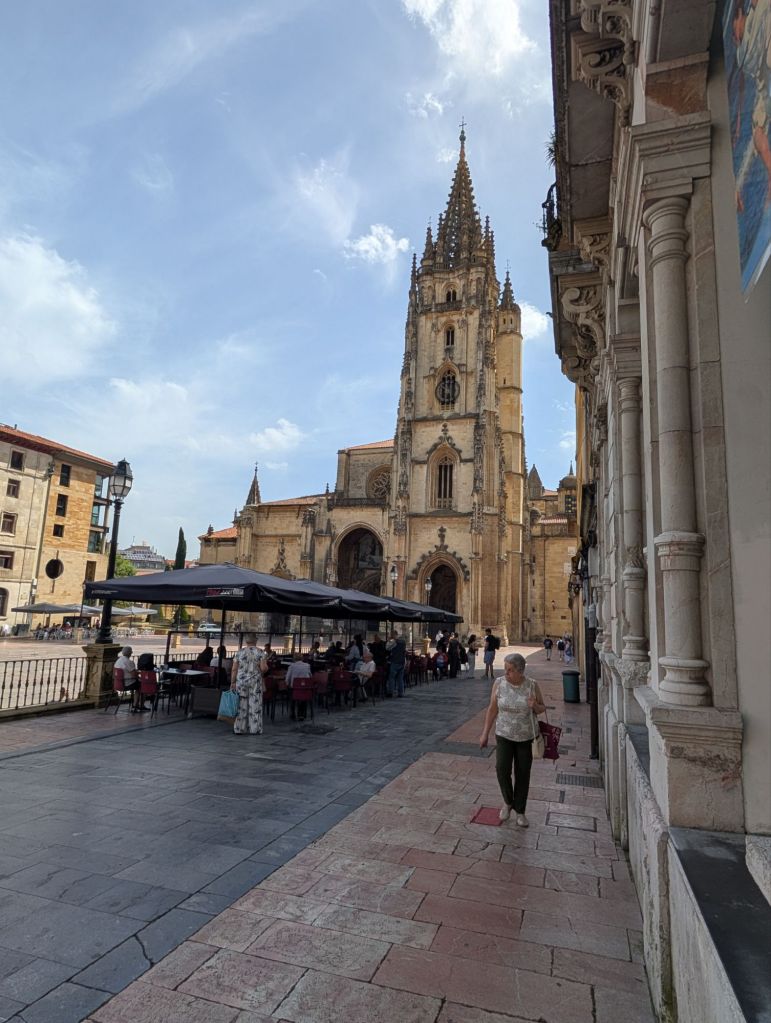
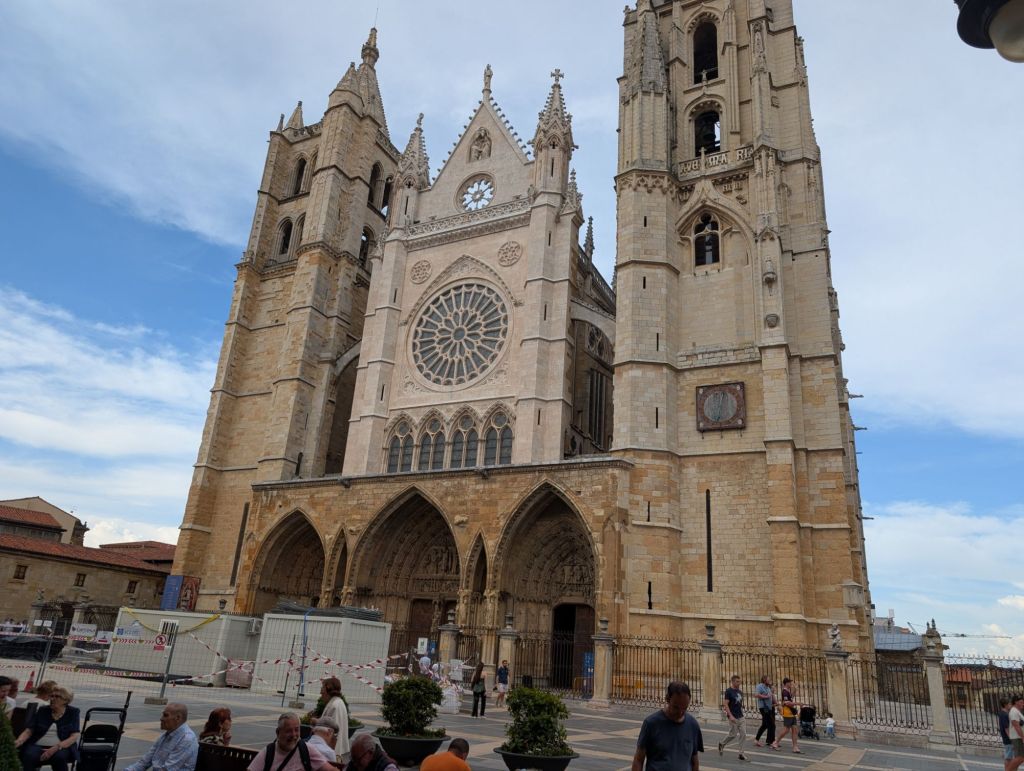
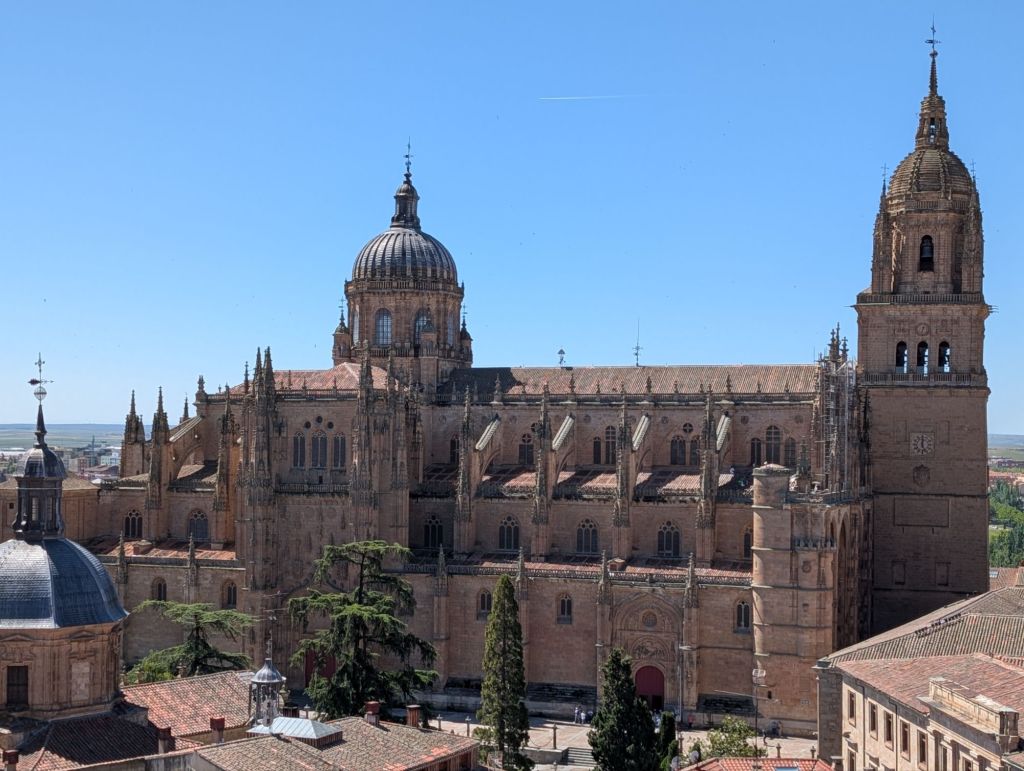
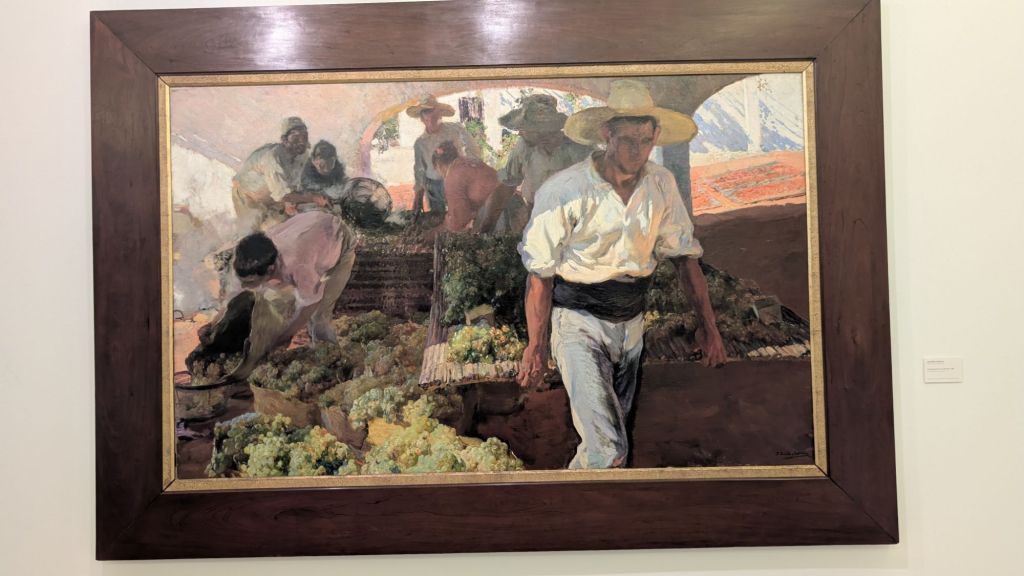
However eventually we found our way to the old centre and located the main cathedral plaza. Things felt better after a good with a cup of coffee and second breakfast overlooking the cathedral. In the square there was also the free art gallery, focussing on Spanish artists from about 1900 onward. We were craving some non-religious art so we spent a pleasant hour mooching round the paintings. There was one late Dali painting but the other artists we didn’t know so just enjoyed looking round and commenting on the ones we liked.
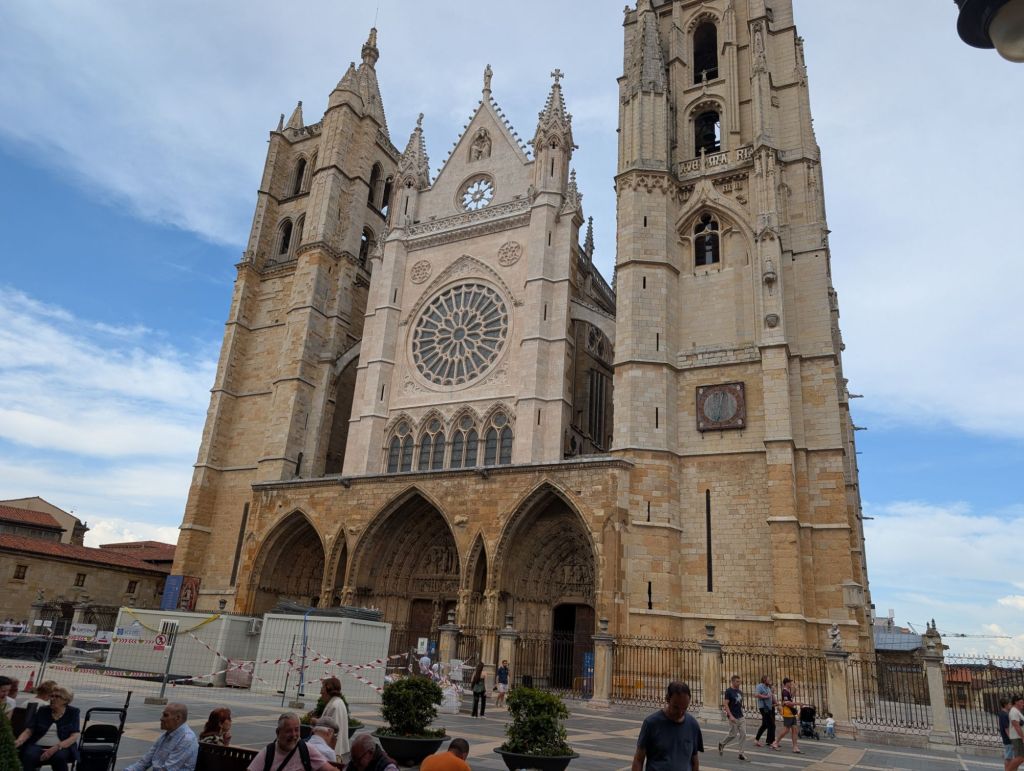
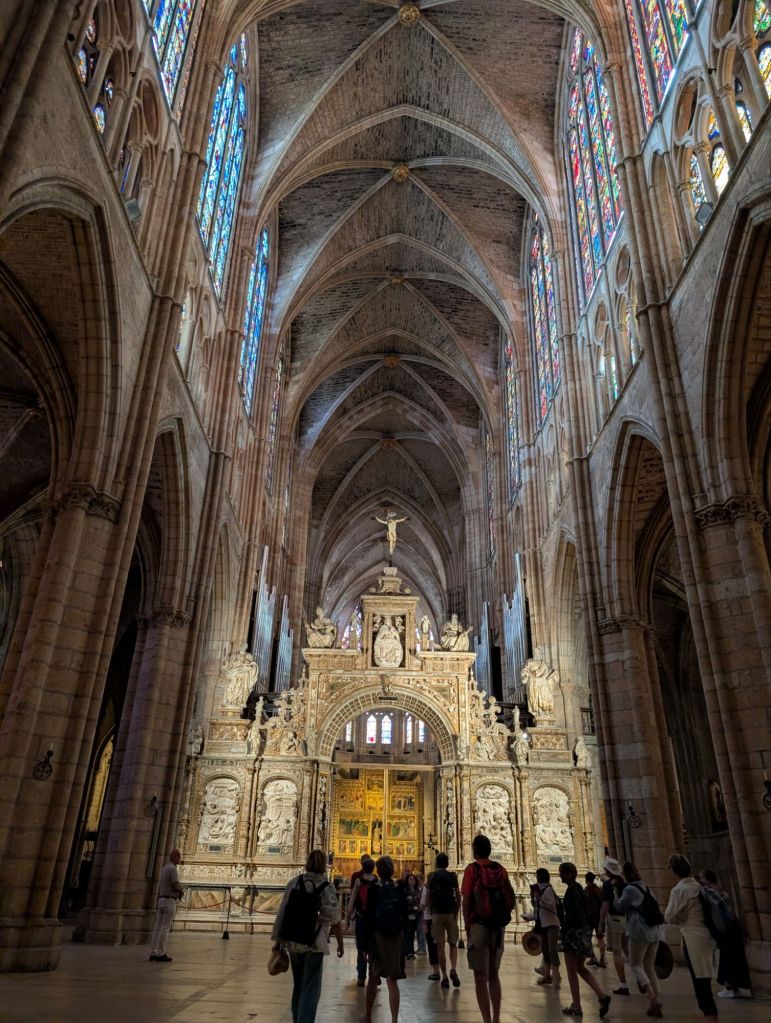
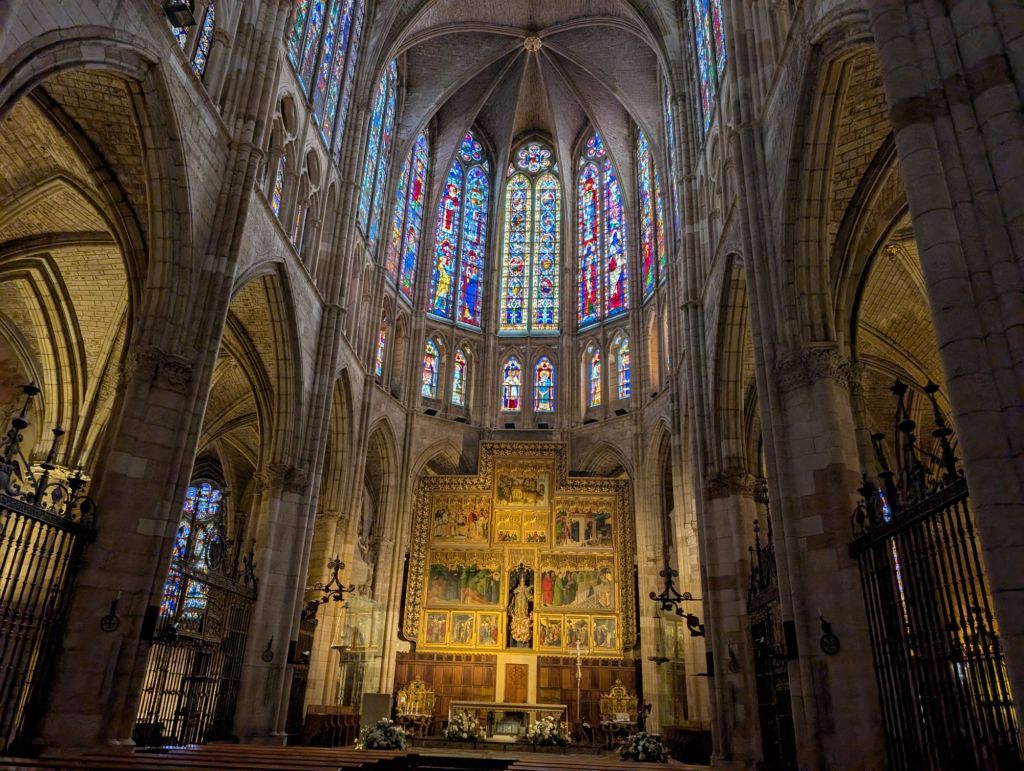
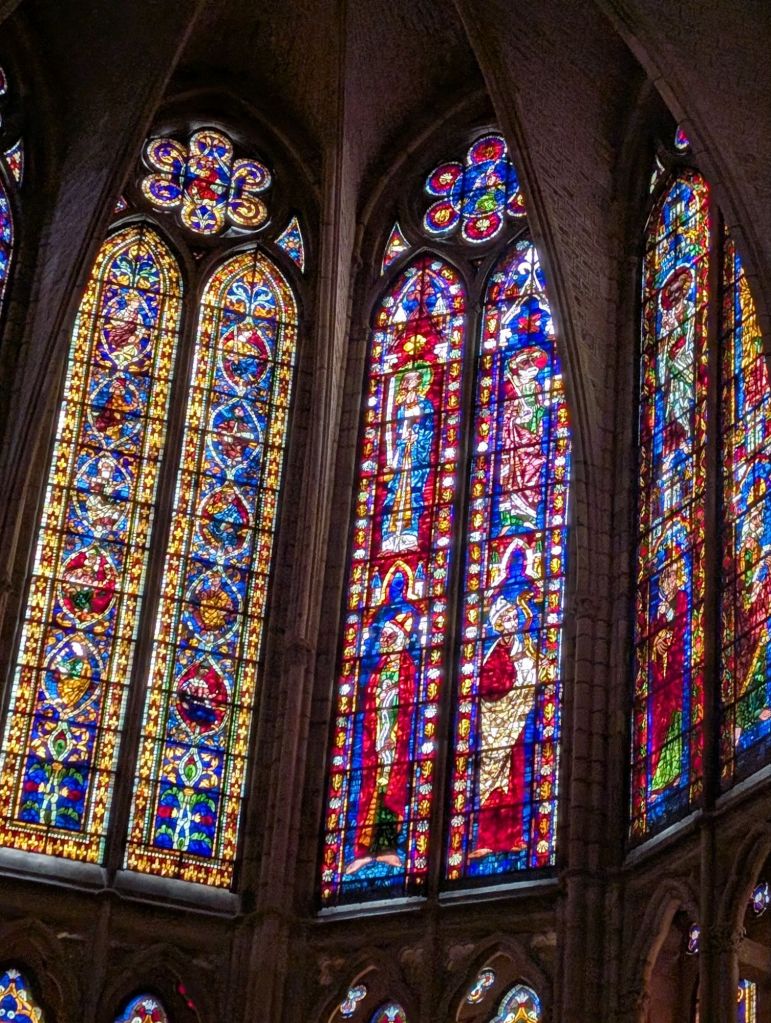
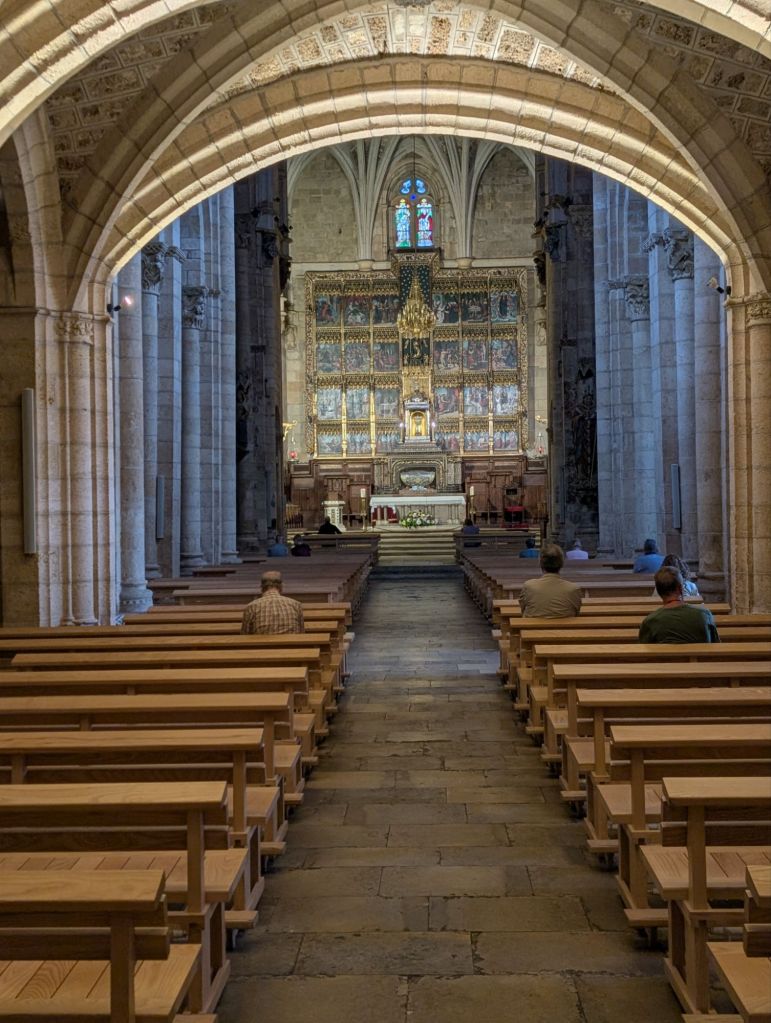
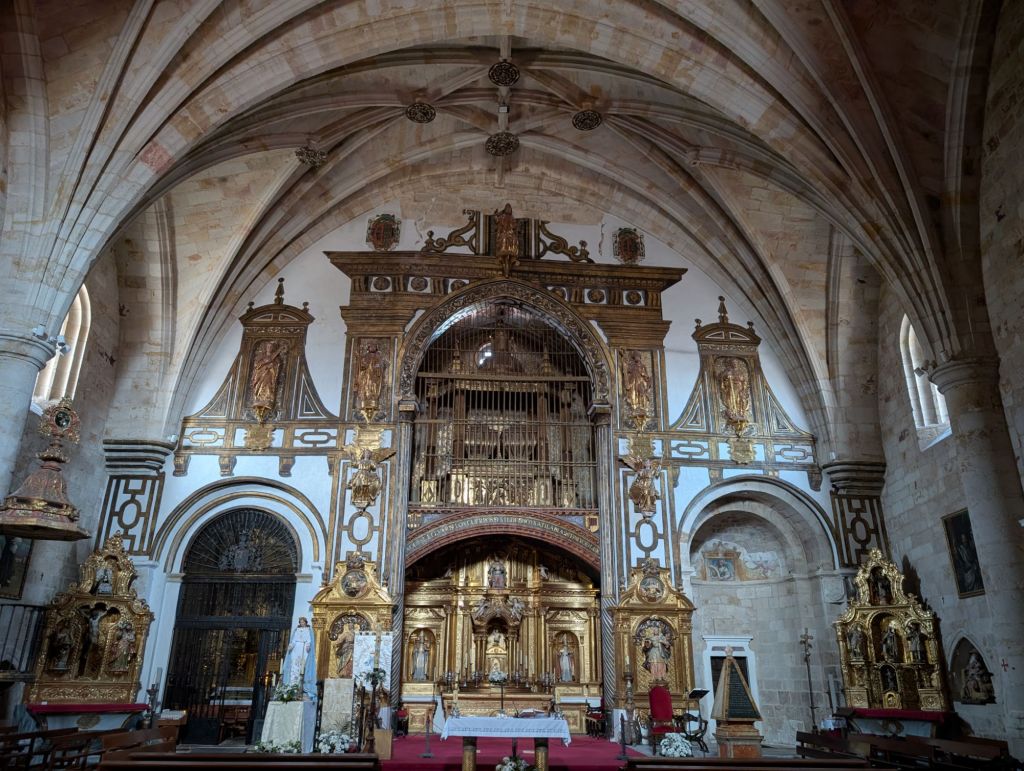
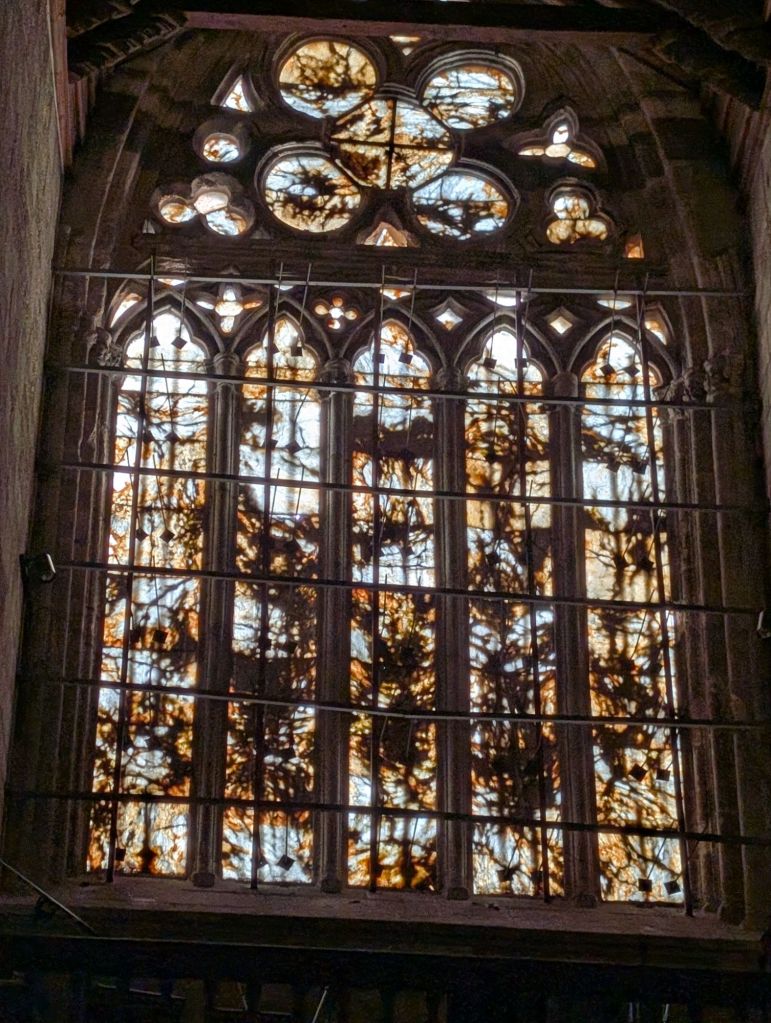
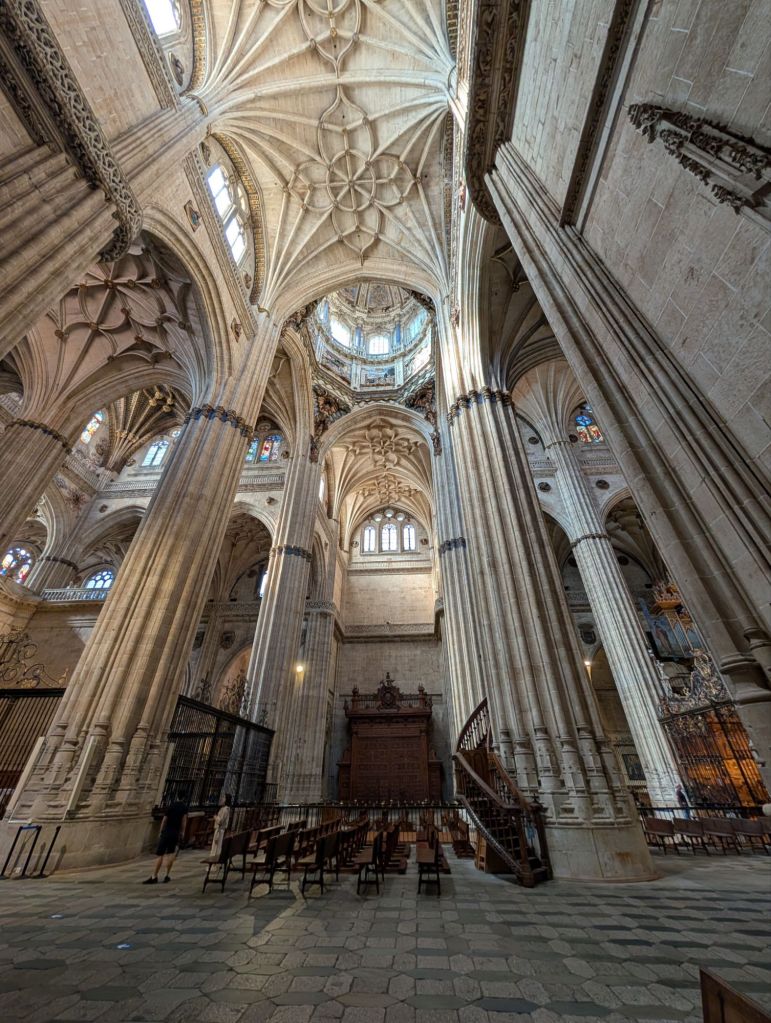
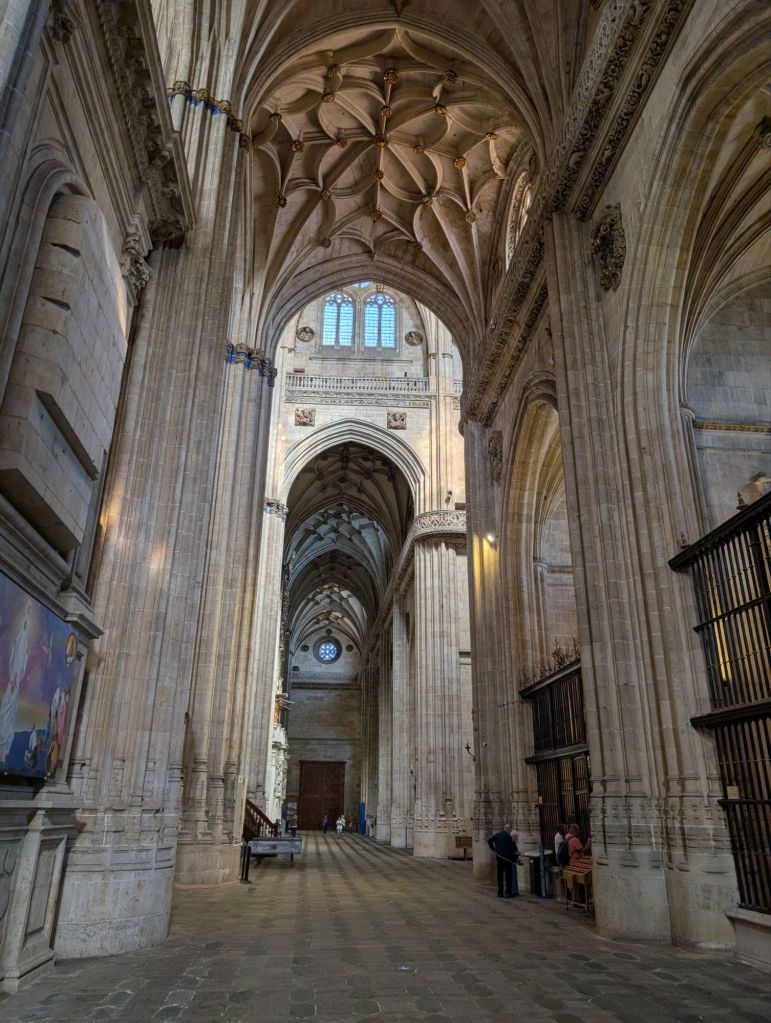
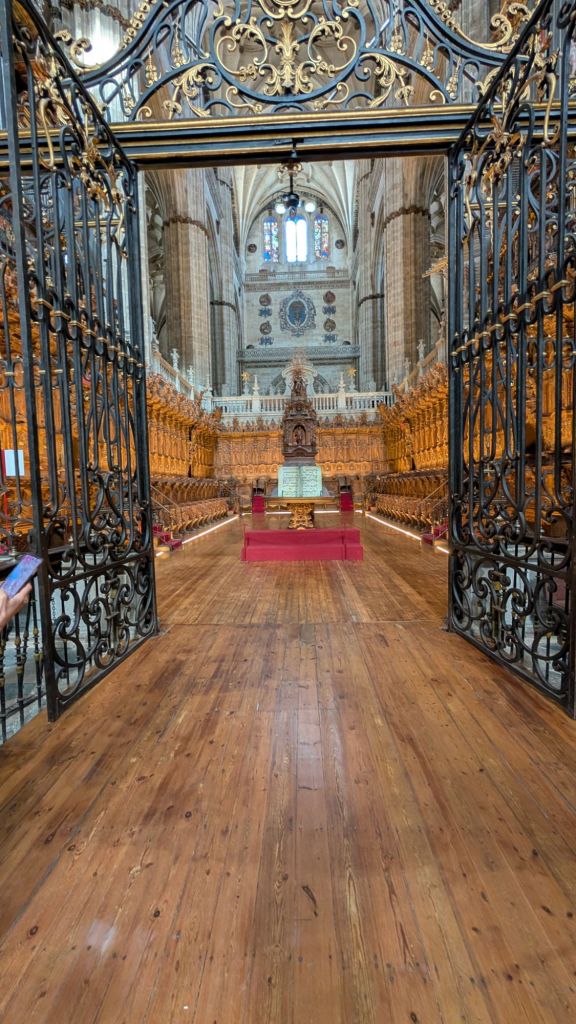
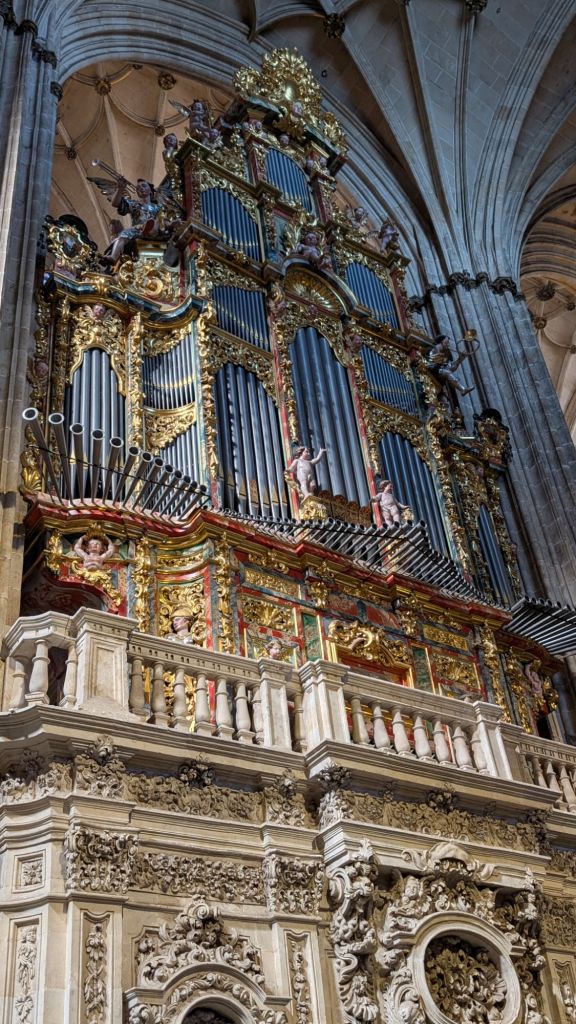
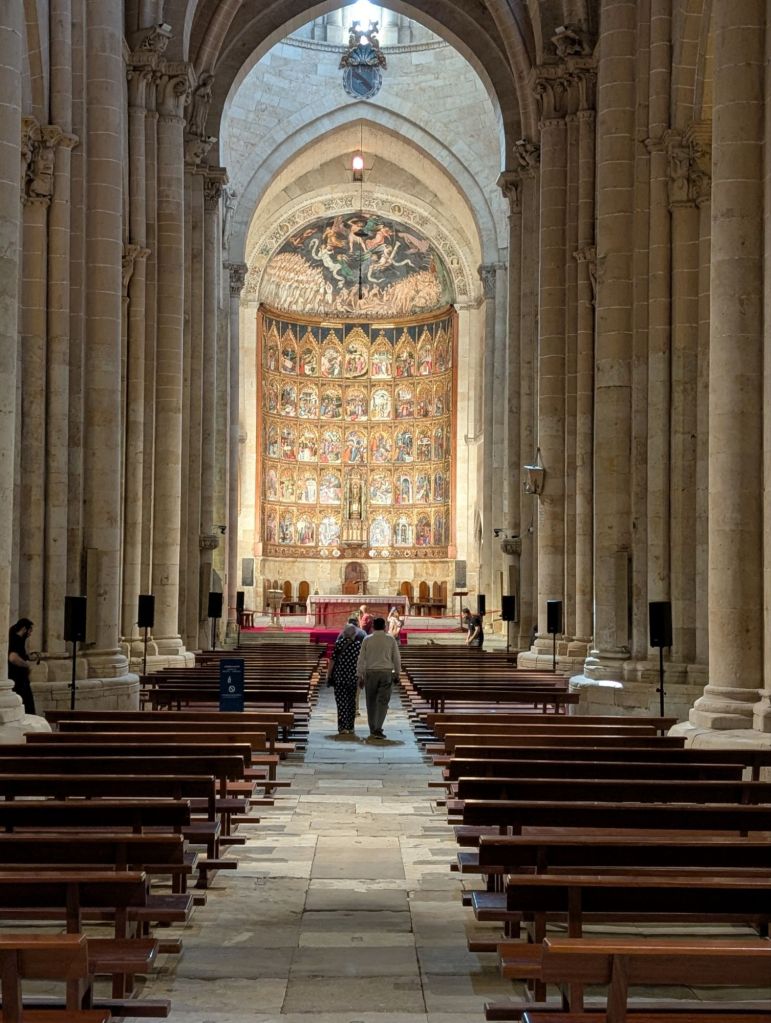
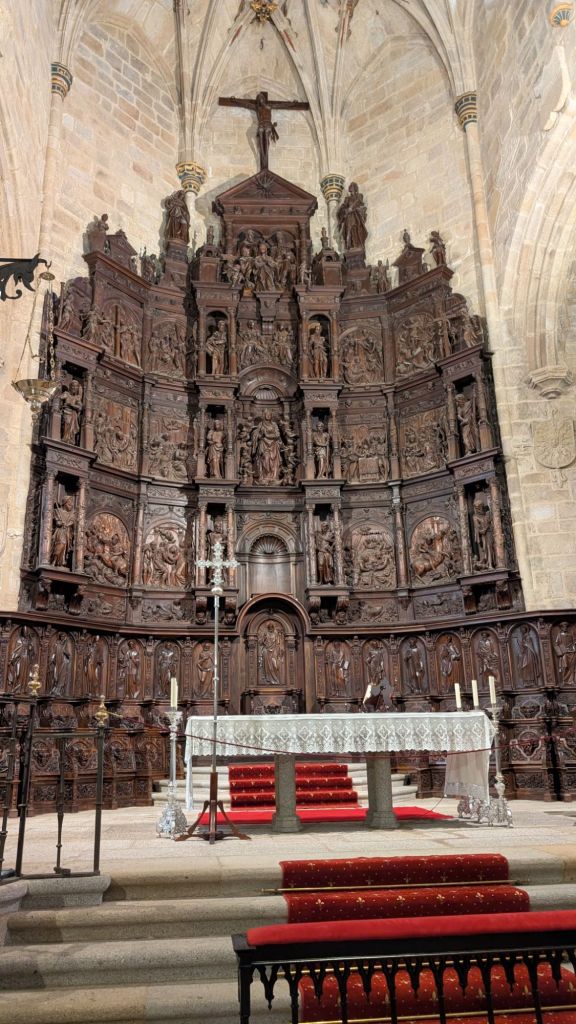
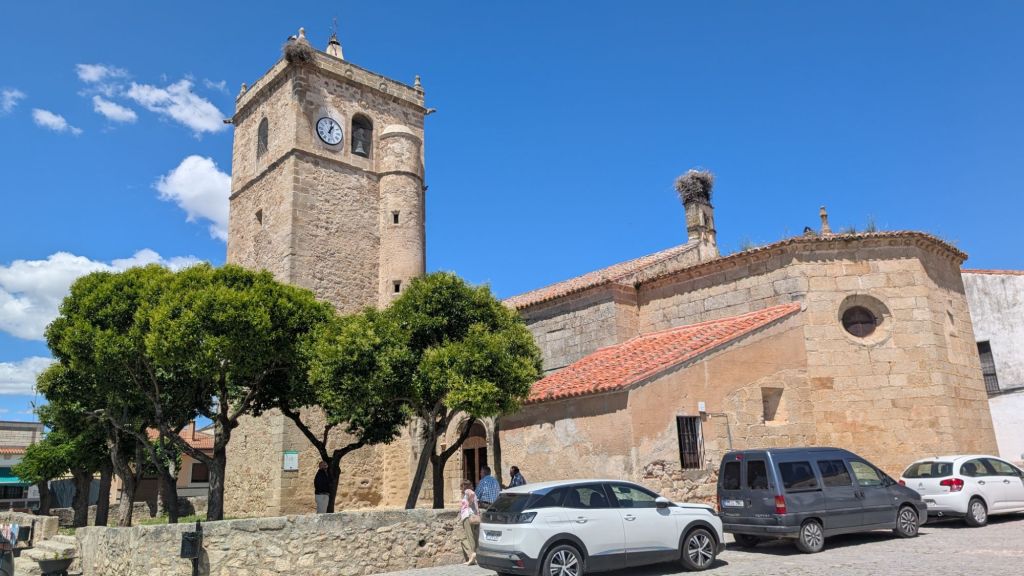
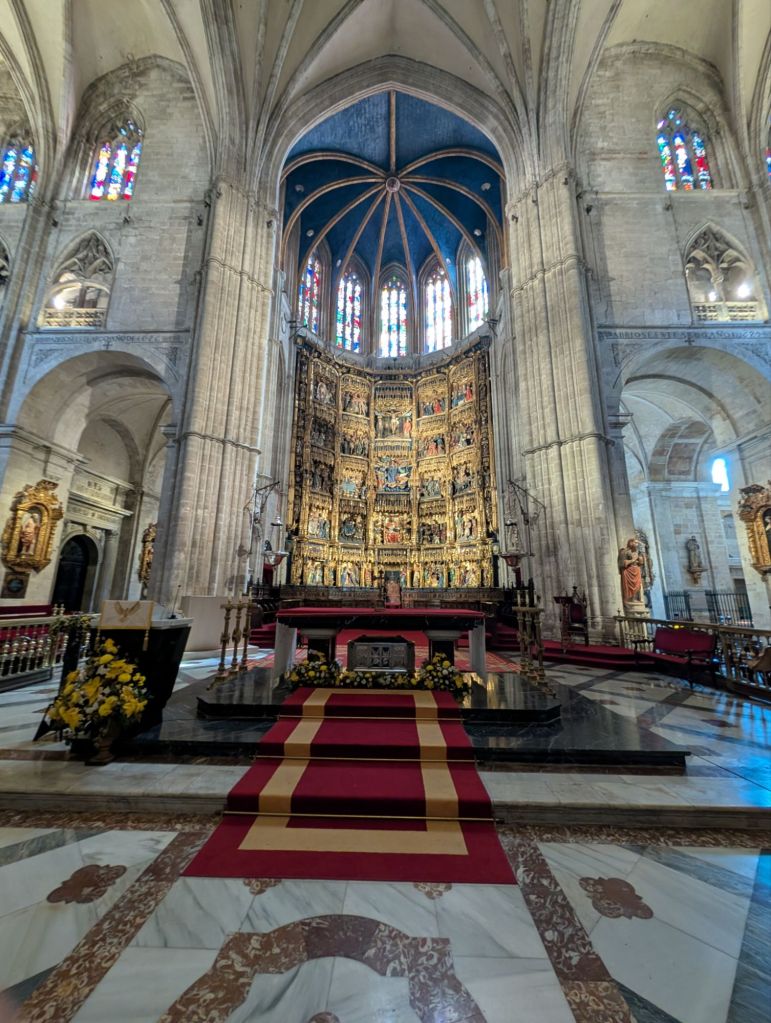
We couldn’t miss our 8th and final cathedral though. Oviedo cathedral was built and extended round an original 8th century church. The main building is an atmospheric early gothic building with a huge gold sparkling altar piece; which unlike many we had seen did not appear over gaudy but was rather mesmerising. We couldn’t say that about the surrounding chapels which excelled in their over the top gold decorations. The stained glass design was similar to Leon, if of smaller scale. Unfortunately the cathedral had been affected during the Spanish civil war and much of the stained glass had been smashed, so that most of what we can now see is modern replacement (but is in keeping with the original and is fine art in itself).
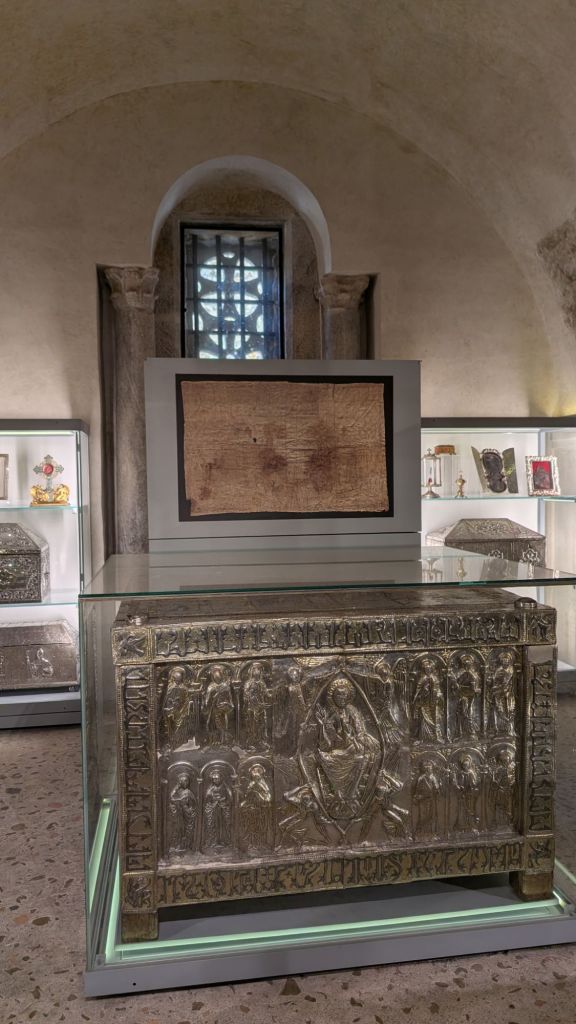
Up steps from the side nave we entered the ‘Camara Santa’ – the ‘Holy Chamber’. This was in the only surviving part of the original church and contained holy relics and ancient treasures. The relics included the ‘holy shroud’ , which is said had covered the face of Jesus as he was lowered from the cross – a smaller version of the Turin Shroud, which claims to have been wrapped round the of Jesus. The original is brought out for display only during holy week, including the original blood stains, so we just saw a representation. I know I am a total cynic when it comes to relics, but it has certainly made Oviedo a ‘must do’ stop on the pilgrimage to Santiago for centuries.
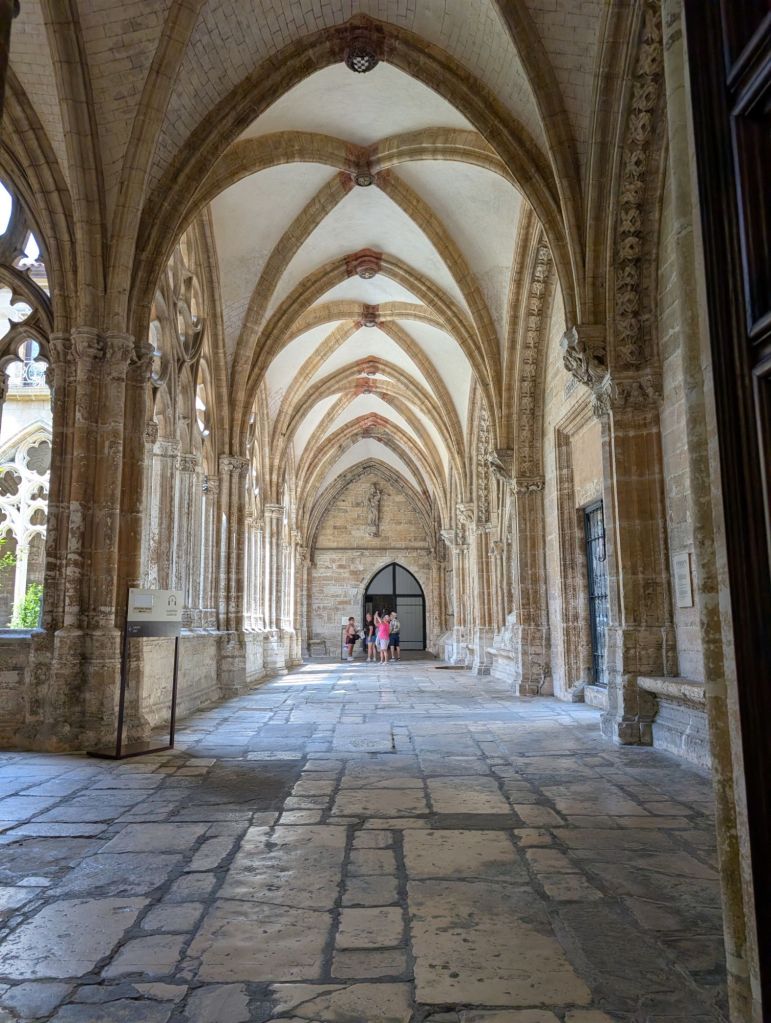
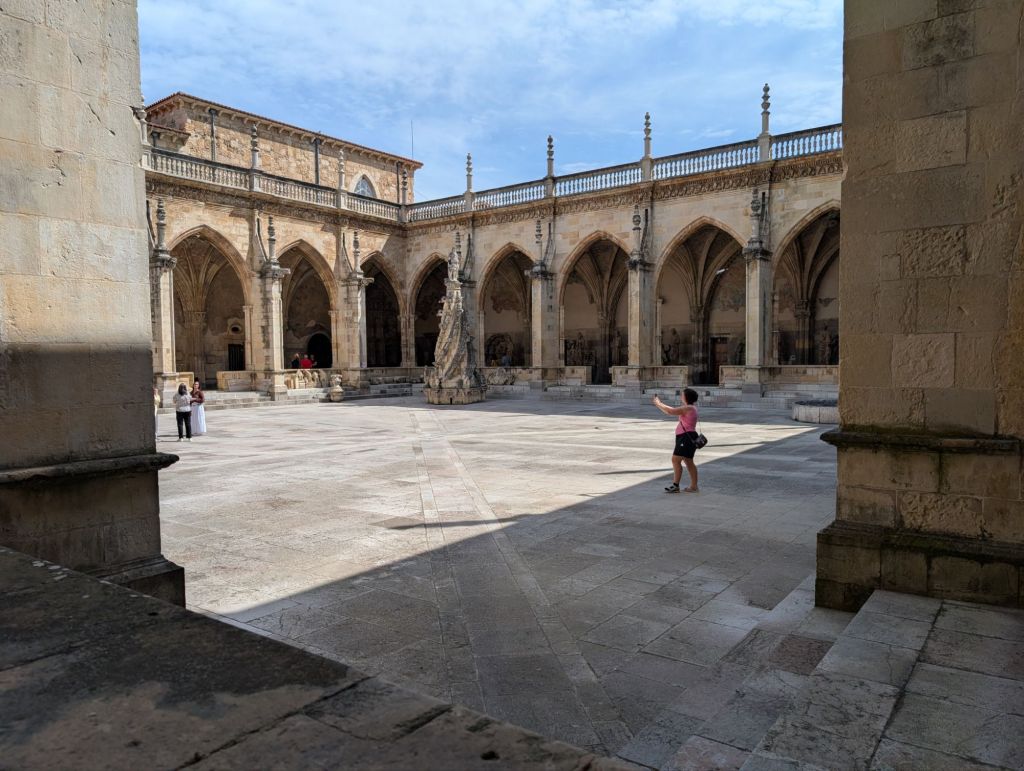
A final wander round the lovely cloister, we decided we were finally ‘Cathedralled out’ for this trip.
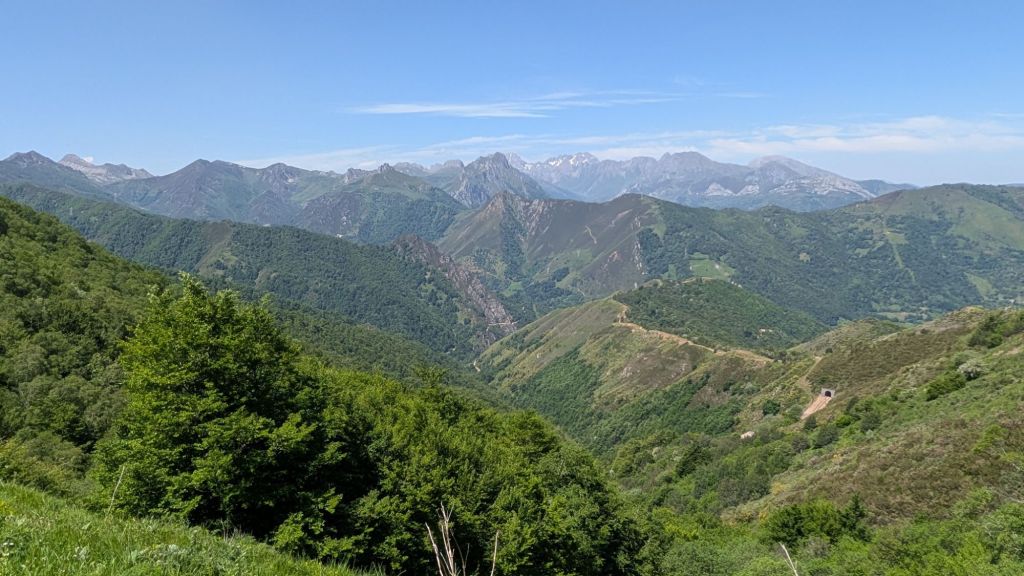
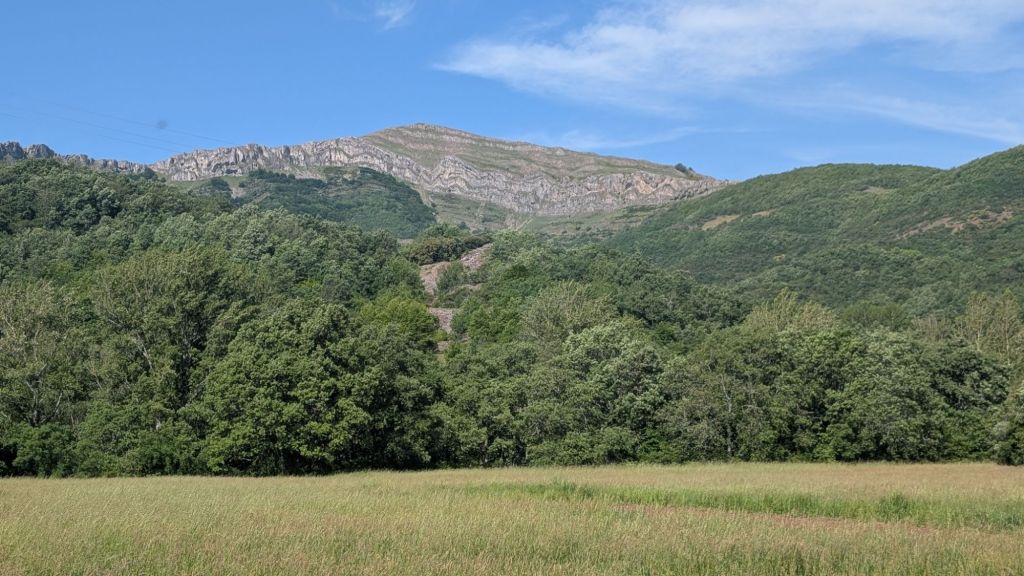
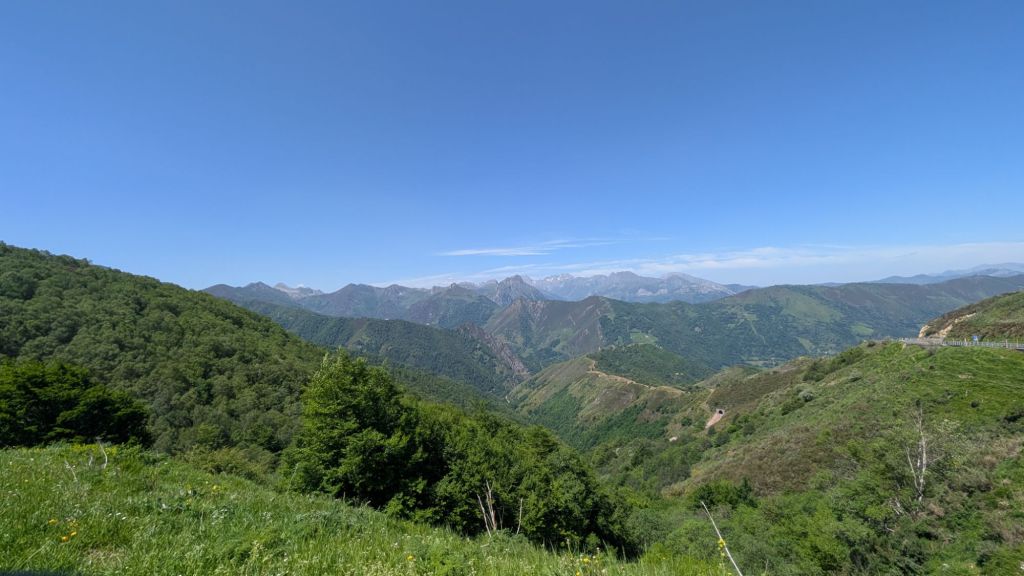
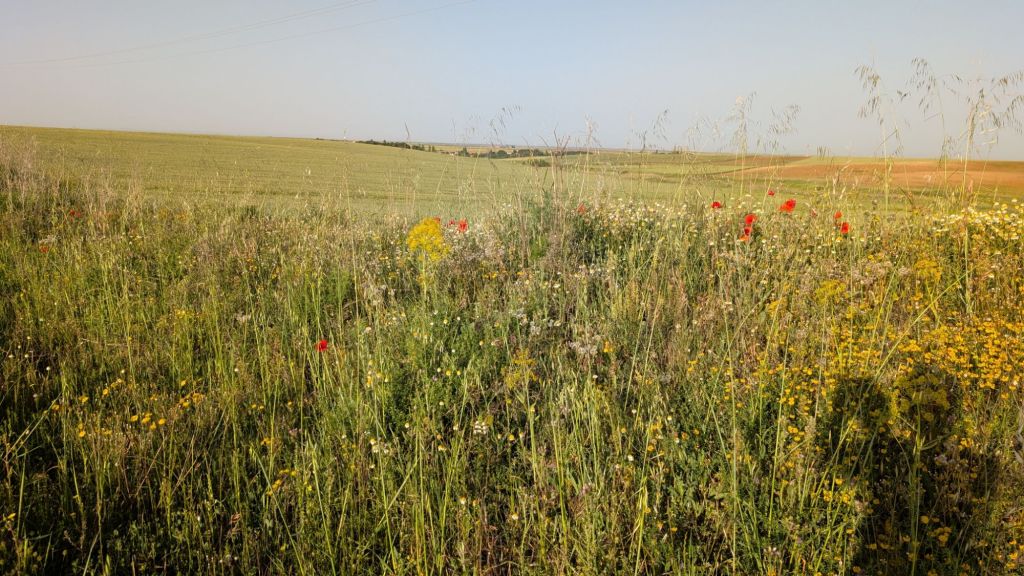
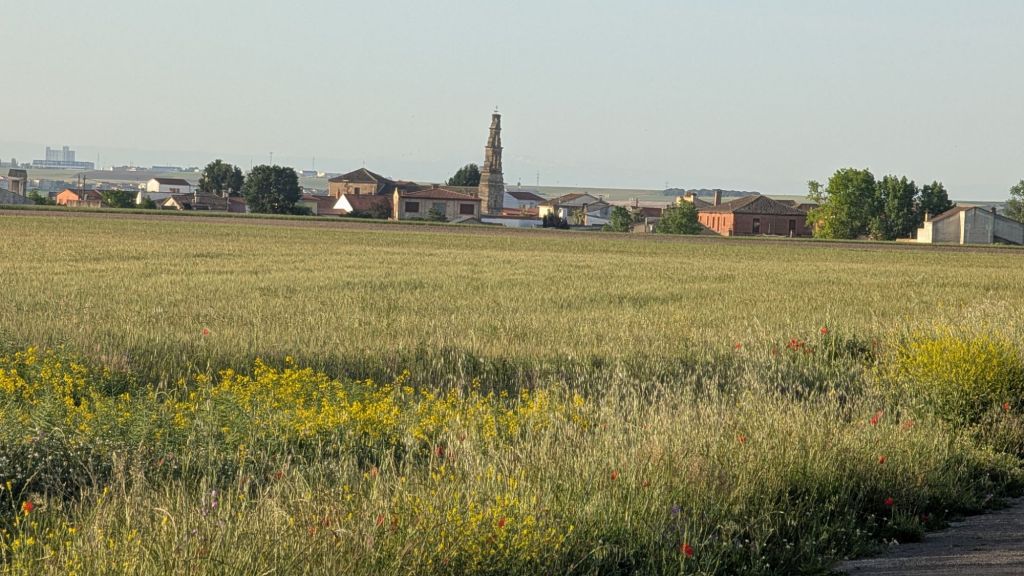
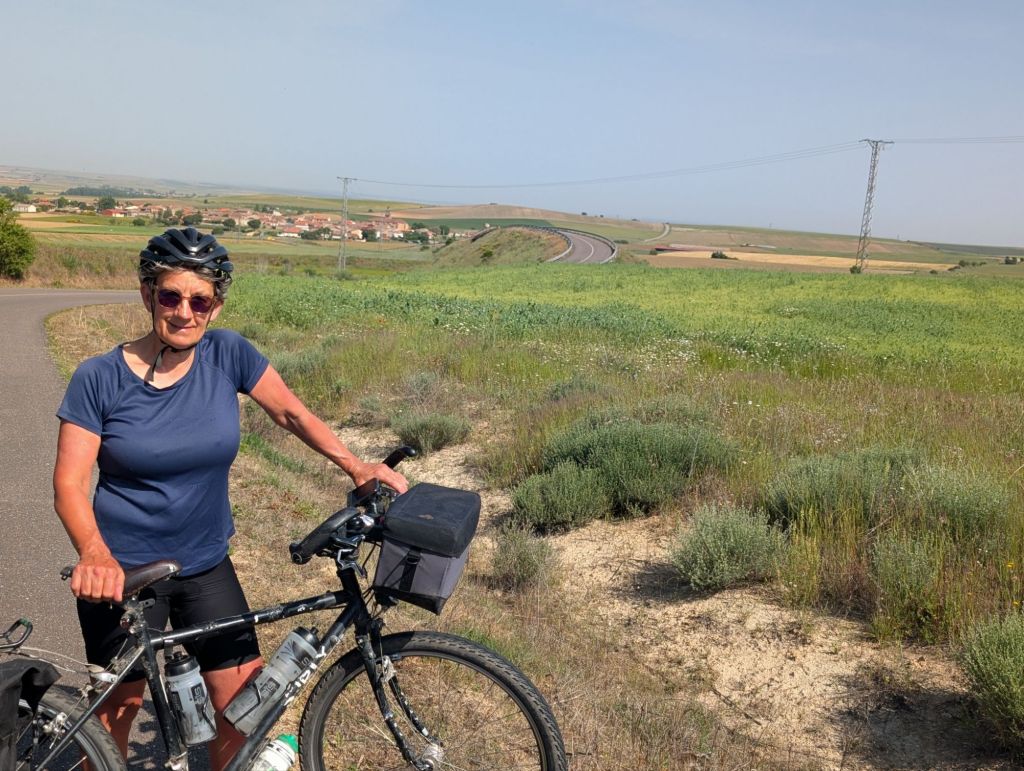
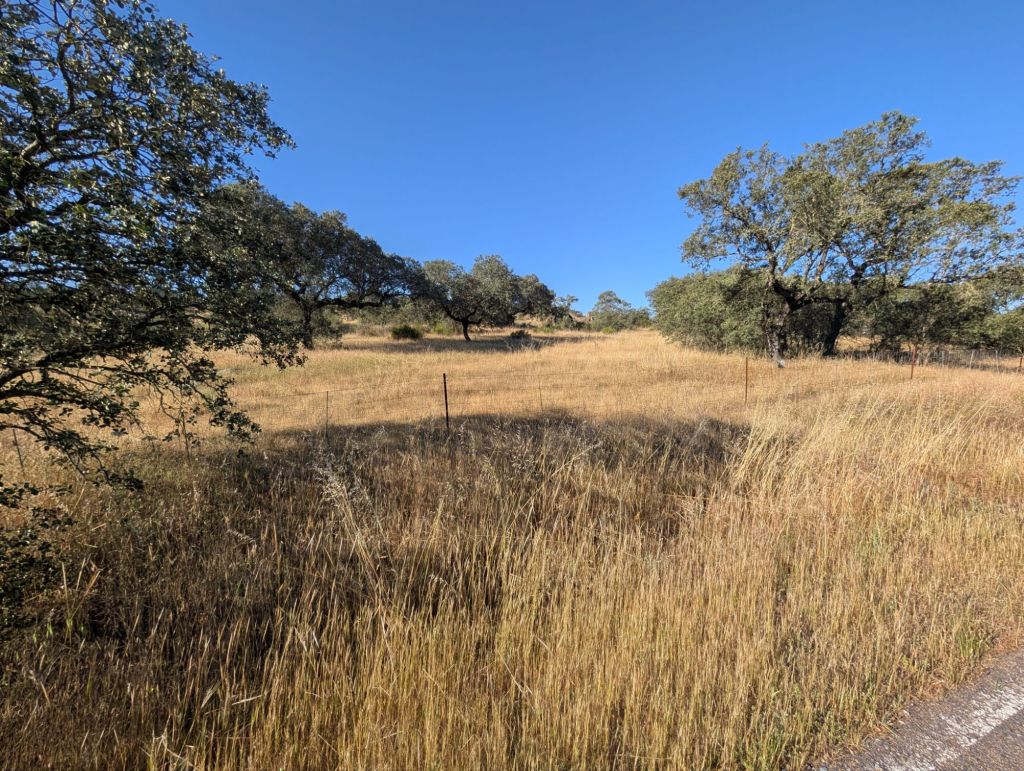
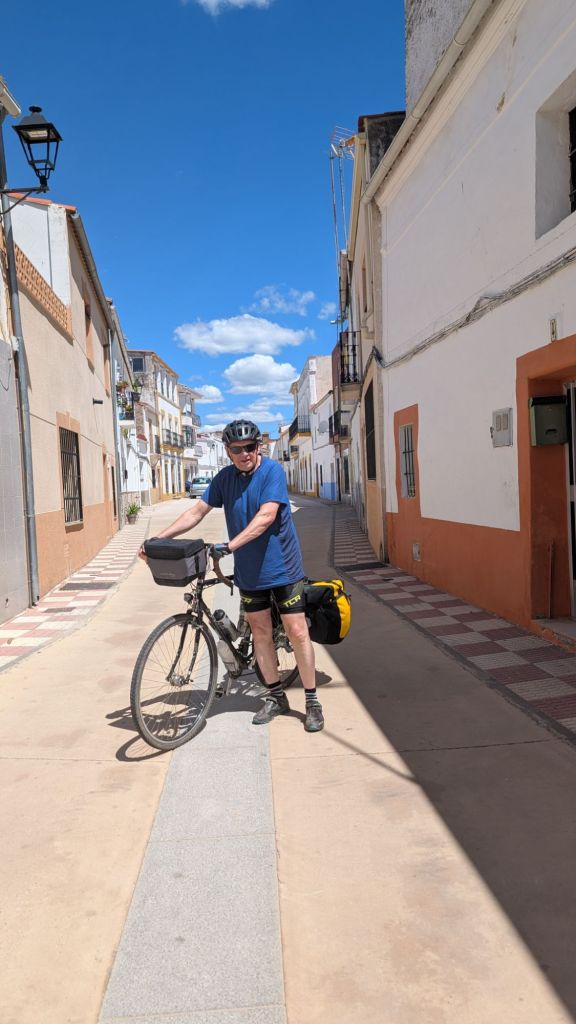
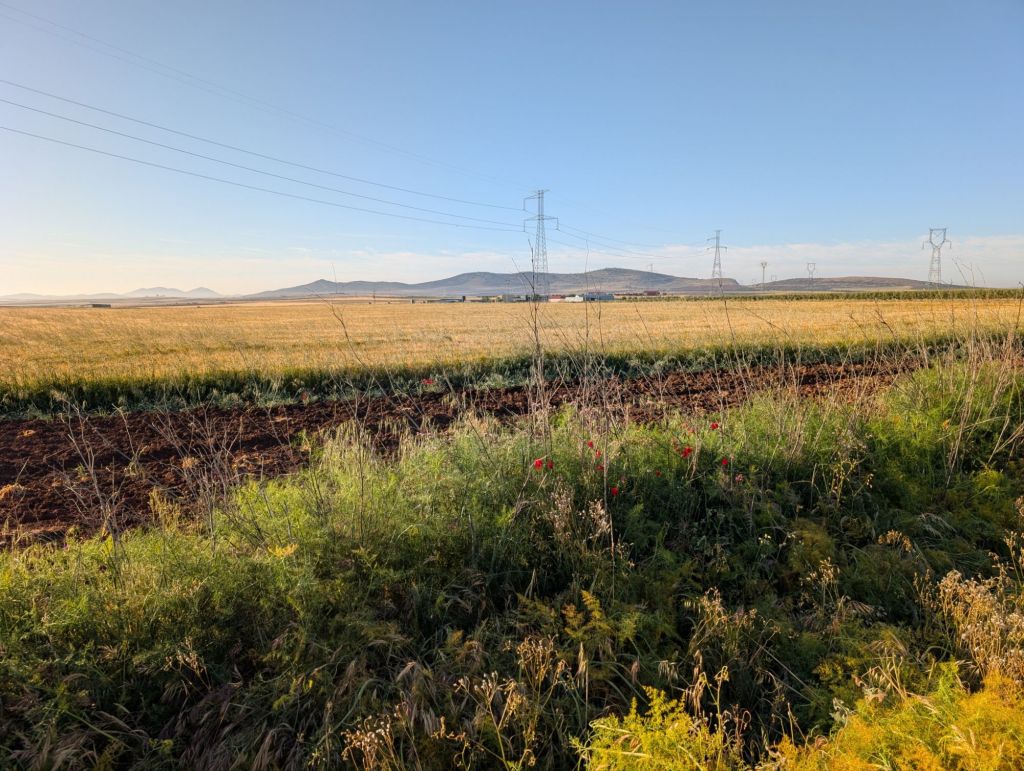
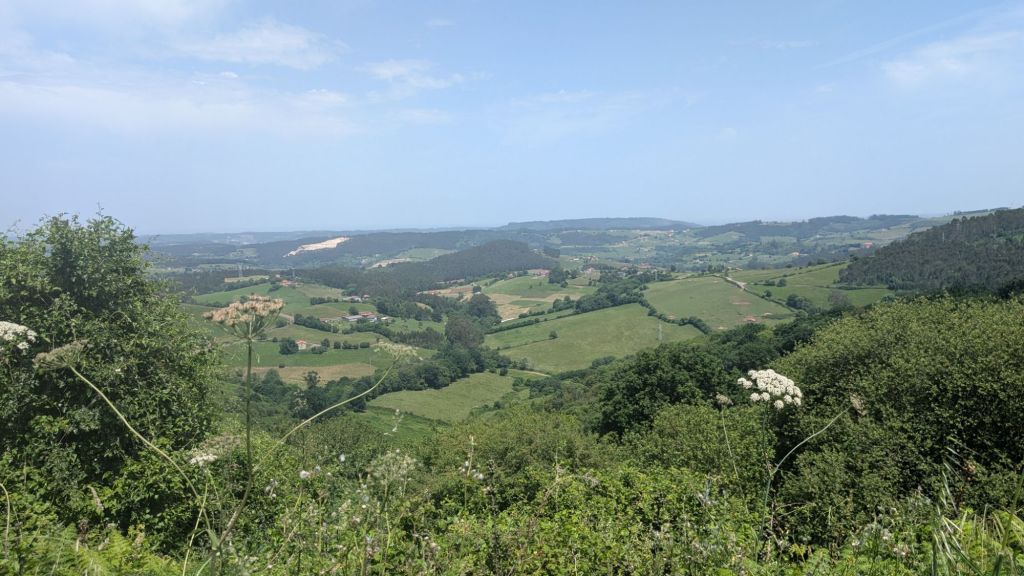
By the time we set off again about 1pm if was getting very hot. The cycle out of Oviedo was more pleasant than the cycle in and we were soon in the countryside. We were now definitely in ‘Green Spain’, where the mountains stretch down to the sea, there is more rain (not today) with trees and lush pasture. We were now down around 200m so much hotter than the high plain. It is also much more humid and the hills are much pointier (and so the climbing is tougher)! It was a bit of a slow trot up and down the hills but that was more than made up by beautiful scenery.
We finally rolled into Aviles where we had booked ourselves into the 5 star Palacio de Aviles as a final treat. The good thing about booking in somewhere smart on the Camino trail is that although we turned up hot, dirty, sweaty and dishevelled, so did many of the others checking in as they were assorted cyclists and Camino walkers. The joy of a room with cool air conditioning, an actually bath to languish in and even a kettle for a cup of tea! A great final destination.
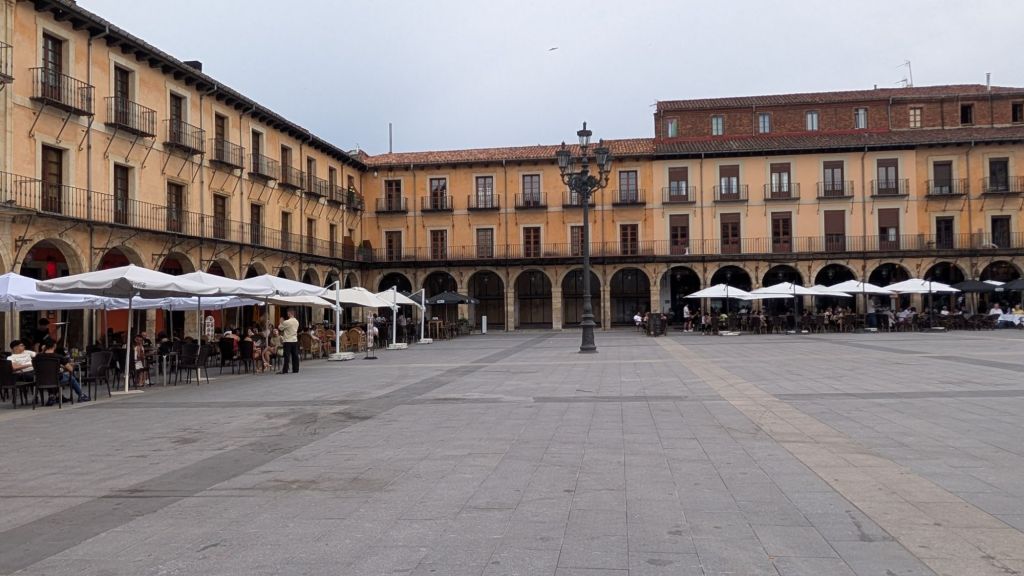
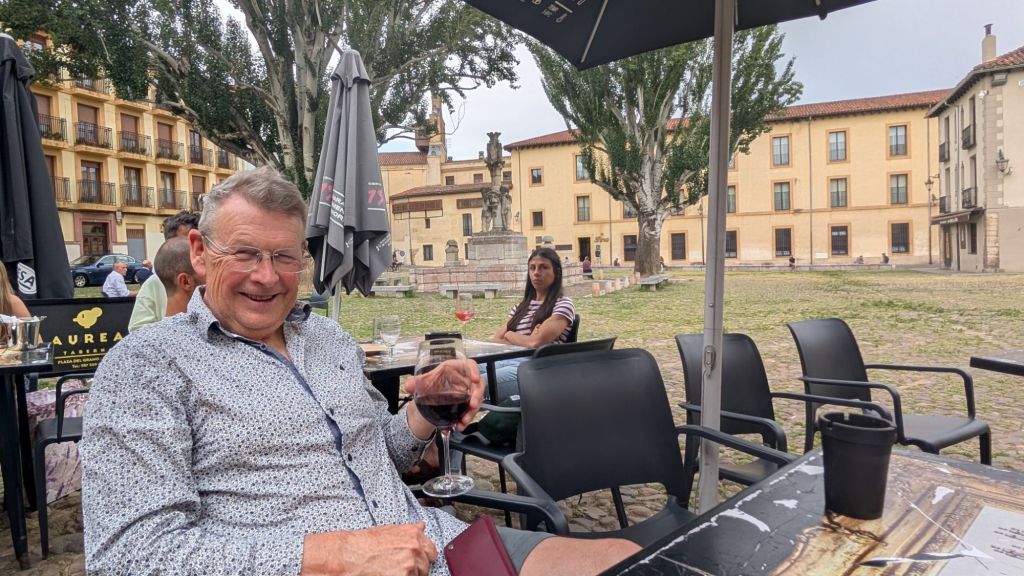
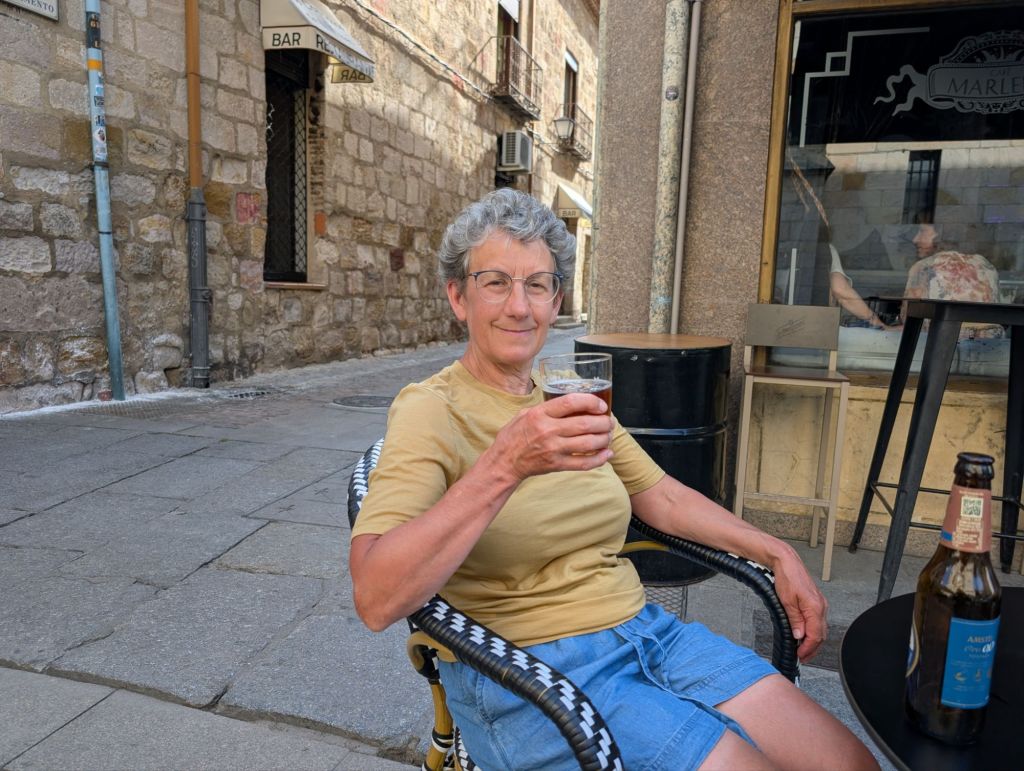
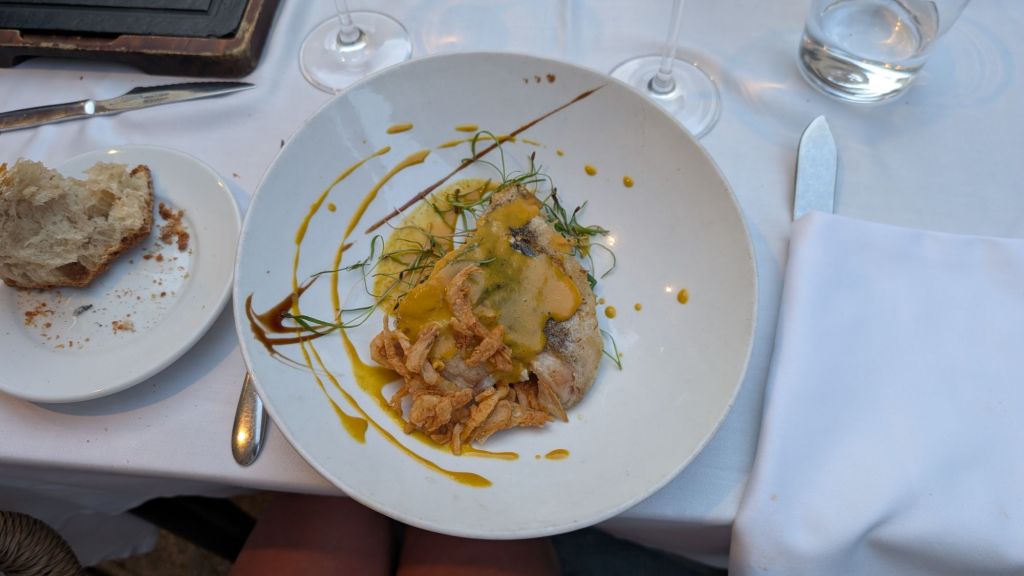
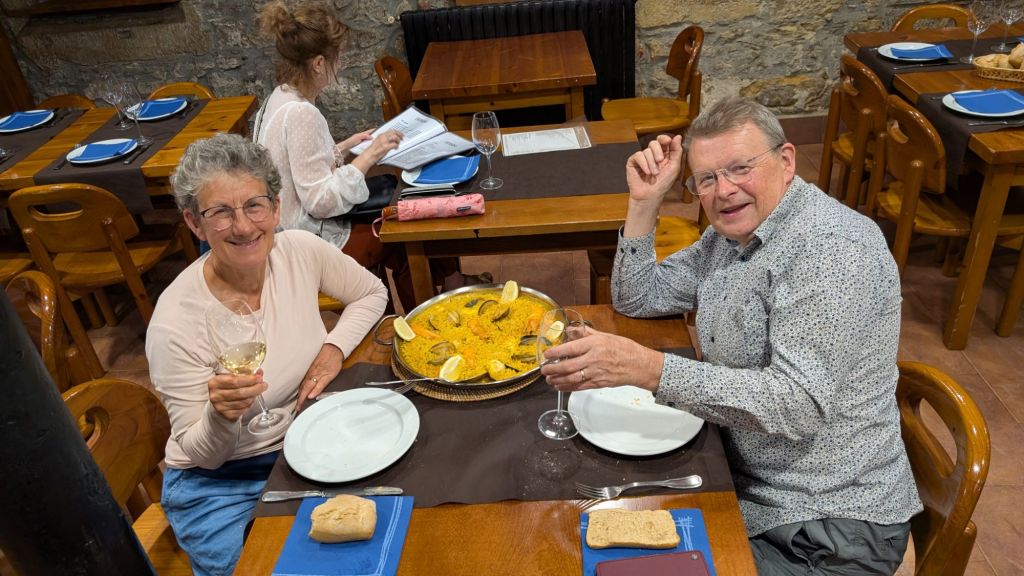
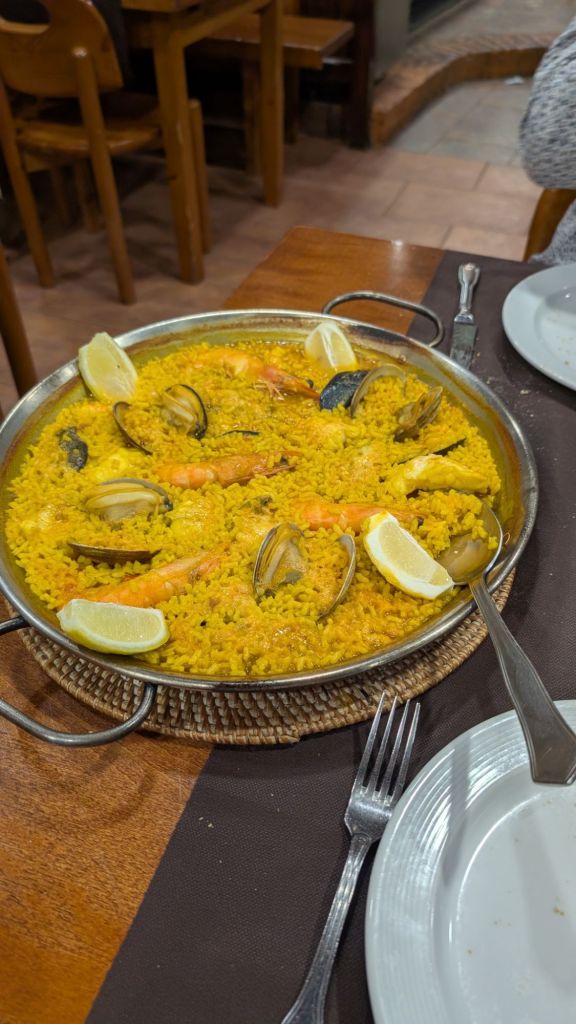
In the evening we strolled the town. Had a glass of local Oviedo white wine in a bar and a huge seafood Paella in a restaurant down a little side street from the main square. As we left a brief squall blew up which had us sprinting across the square to out hotel. The only rain since a few drops on our first morning.
By the time we get to the airport we will have cycled 933km and will have seen a great deal of this amazing country along the way. Thanks to those who followed the journey on the blog – we sort of know that you are with us and appreciate it. So signing off for now – next blog when we next travel and not sure when that will be.