Category Archives: Uncategorized

Day 22 Divriigi to Ilic. 87km. 1610m climbing (6221km to date).

Today was quite a day which resulted in us breaking our climbing record. Our departure was delayed by a rather strange event. As we were leaving town we stopped to get petrol for our fuel bottle (for the camping stove). The petrol attendant looked wary and about 4 men managed to explain to us that we needed some sort of written permit from the police. We had not had problems before but the Jandarma were only a few hundred meters back so off we went.

The gate was opened by a gun wielding soldier who looked younger than any of our children. With the help of google translate and someone who could speak a little english we showed them the fuel bottle and explained it was for cooking. This they understood but for reasons we could not fathom we had to go top a petrol station 4km back the other side of town (except perhaps this was a state run petrol station). The police promised to ring the petrol station to authorise the fuel. We left the trailers under the watchful eye of the soldier with the gun and set off for the petrol station (remembering at the last minute to take the fuel bottle with us!). Needless to say it was the other side of a hill but eventually the fuel was brought without a problem and we were back hitching up the trailers. We were an hour on and had done 12km and 150m of climbing before we had even started!
  
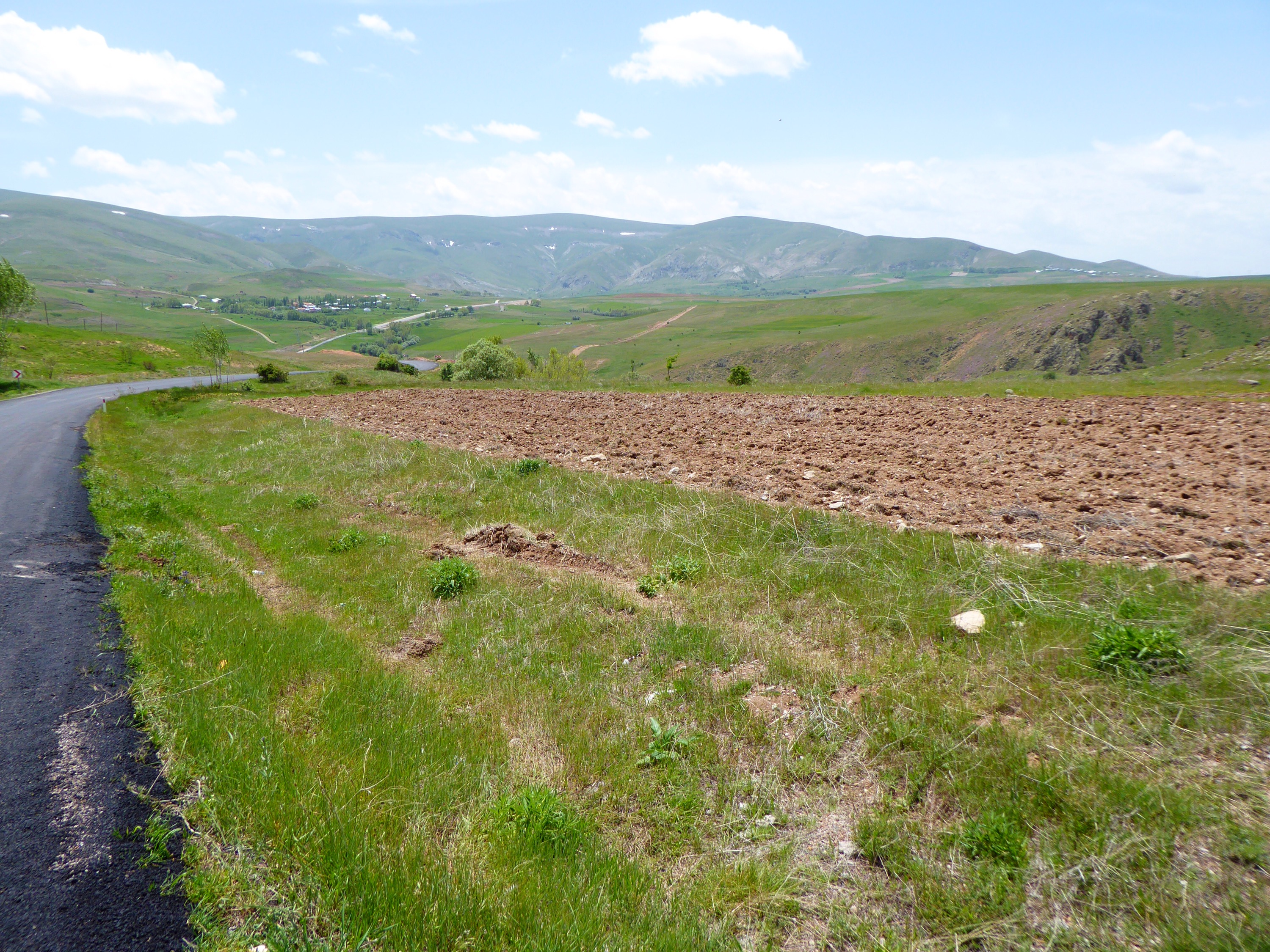
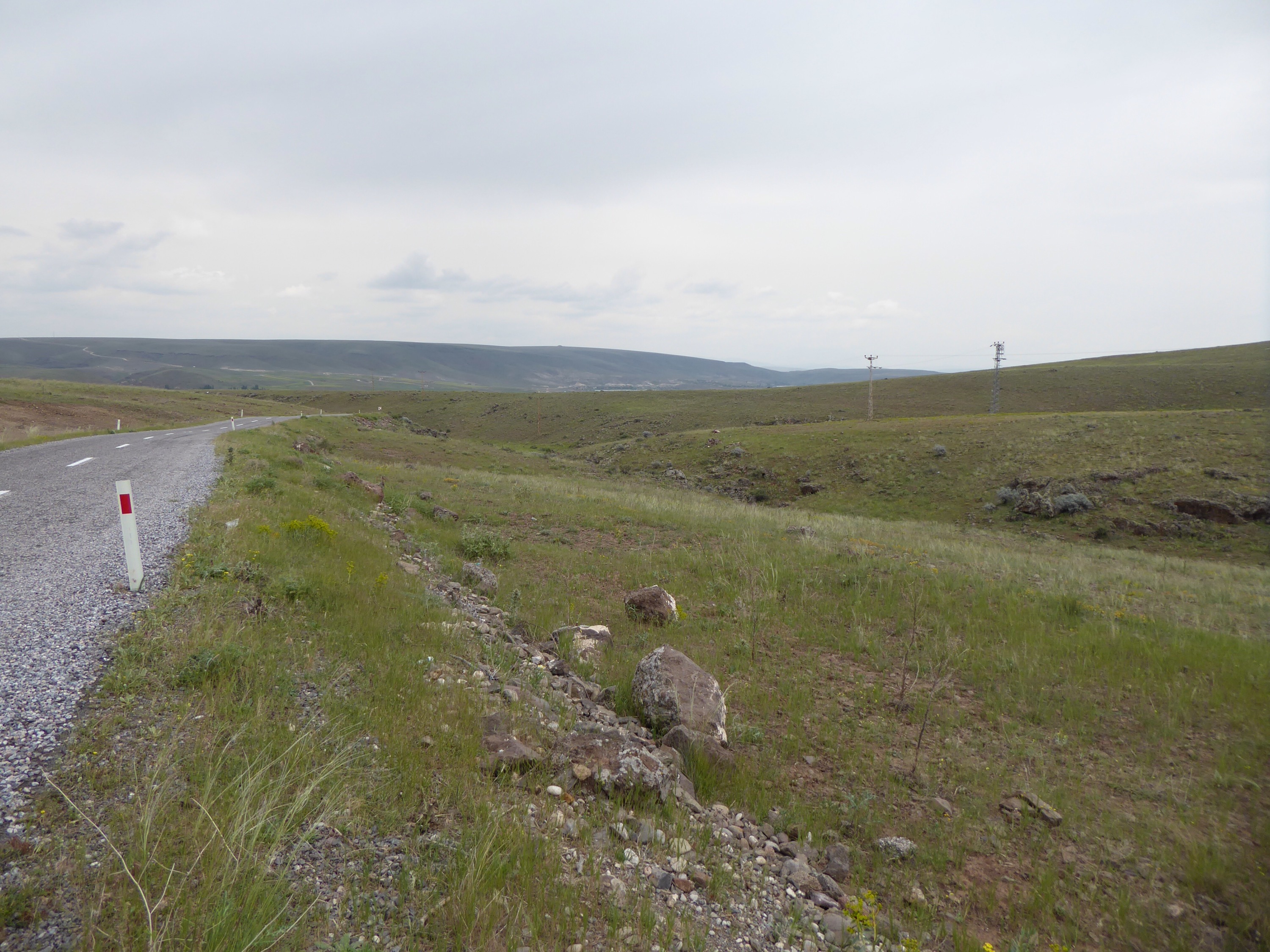
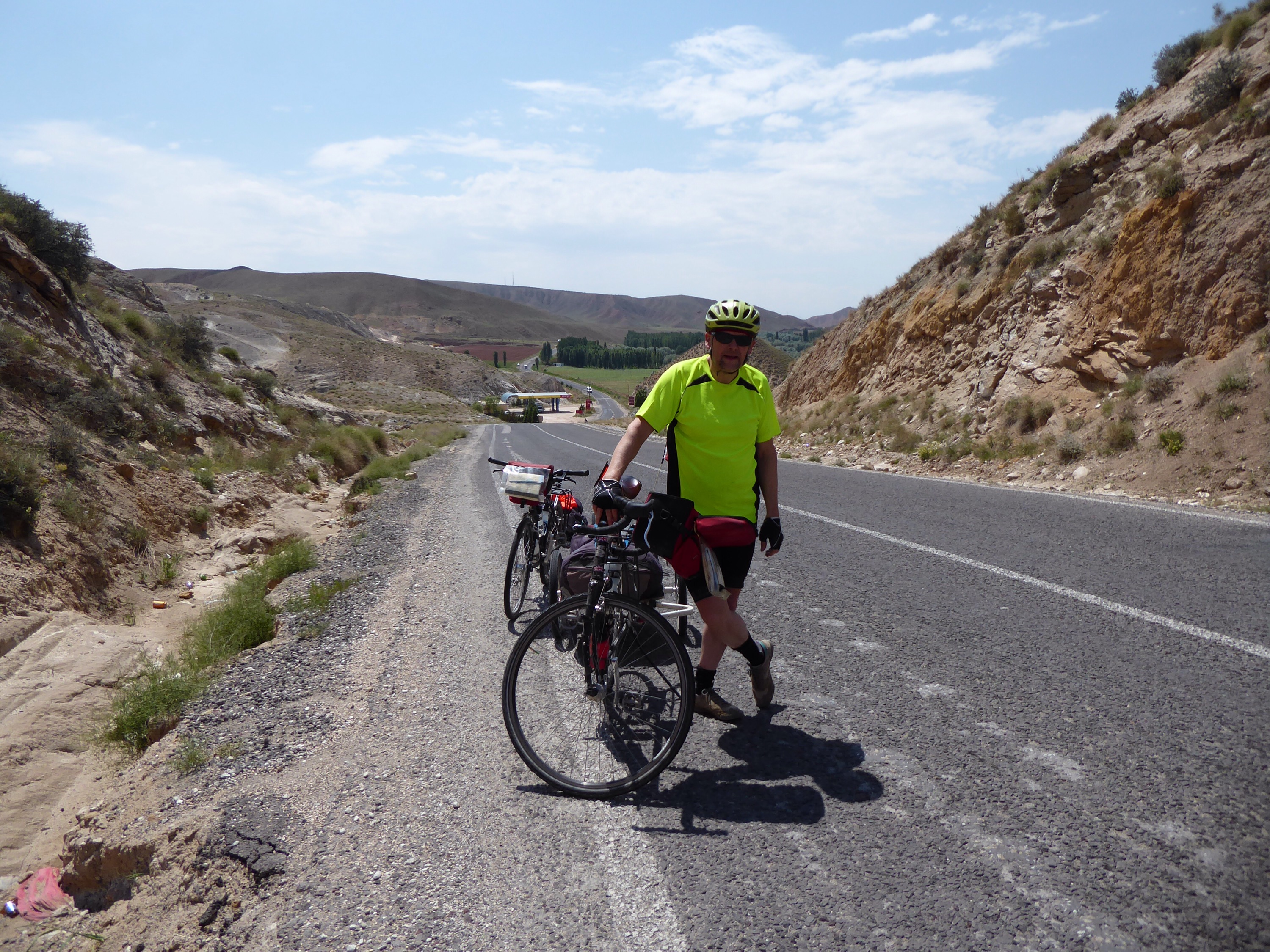
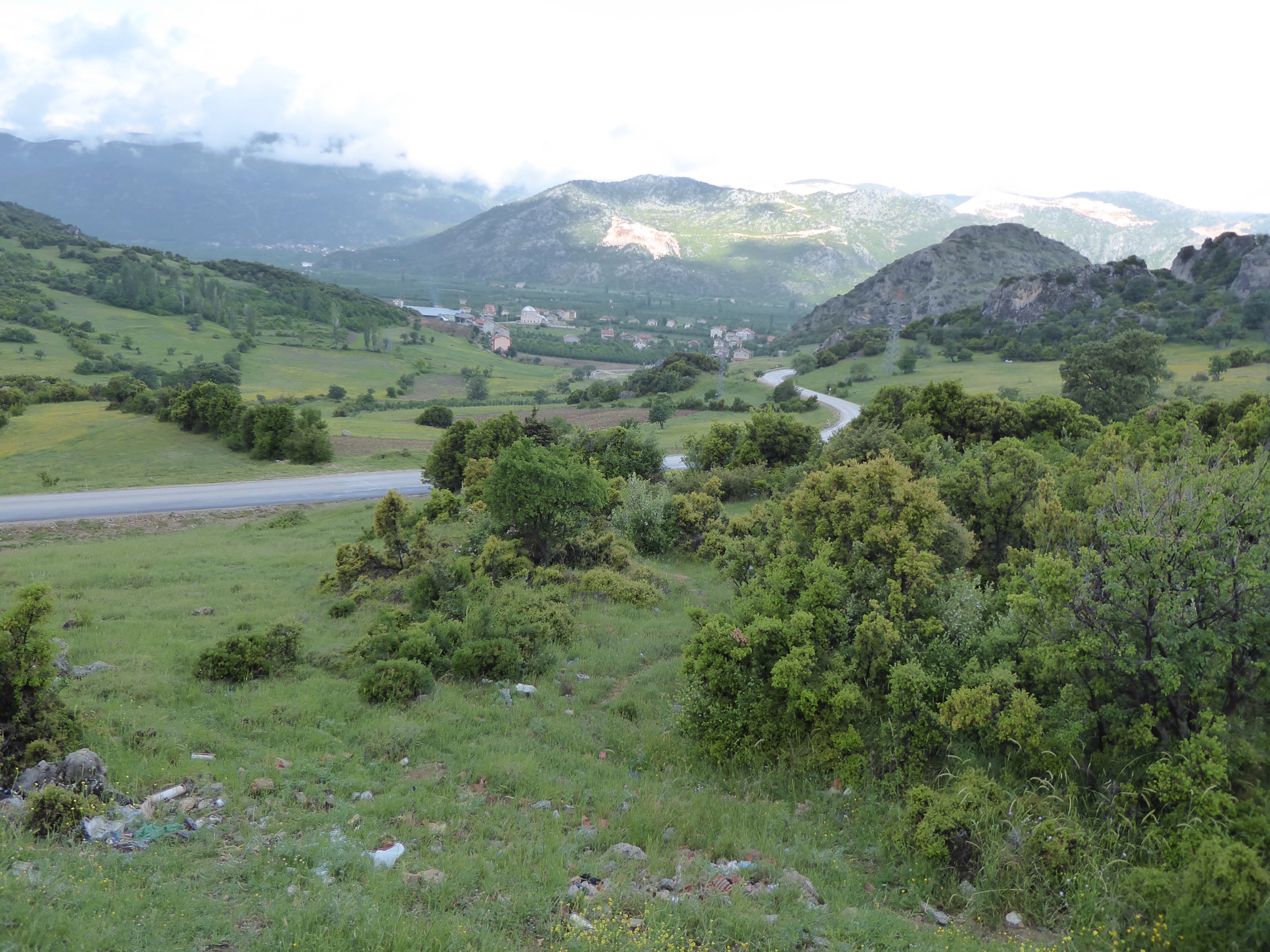
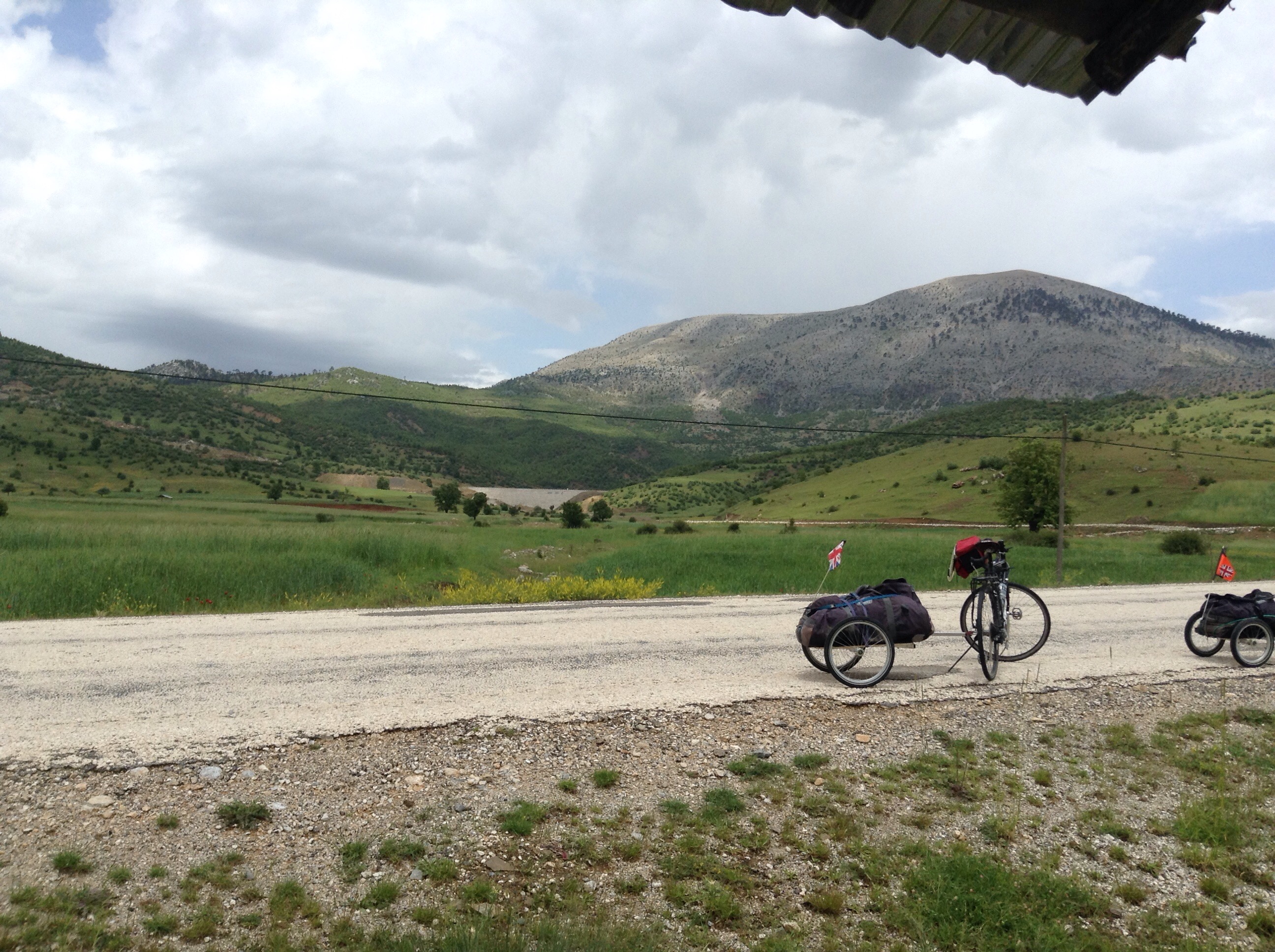
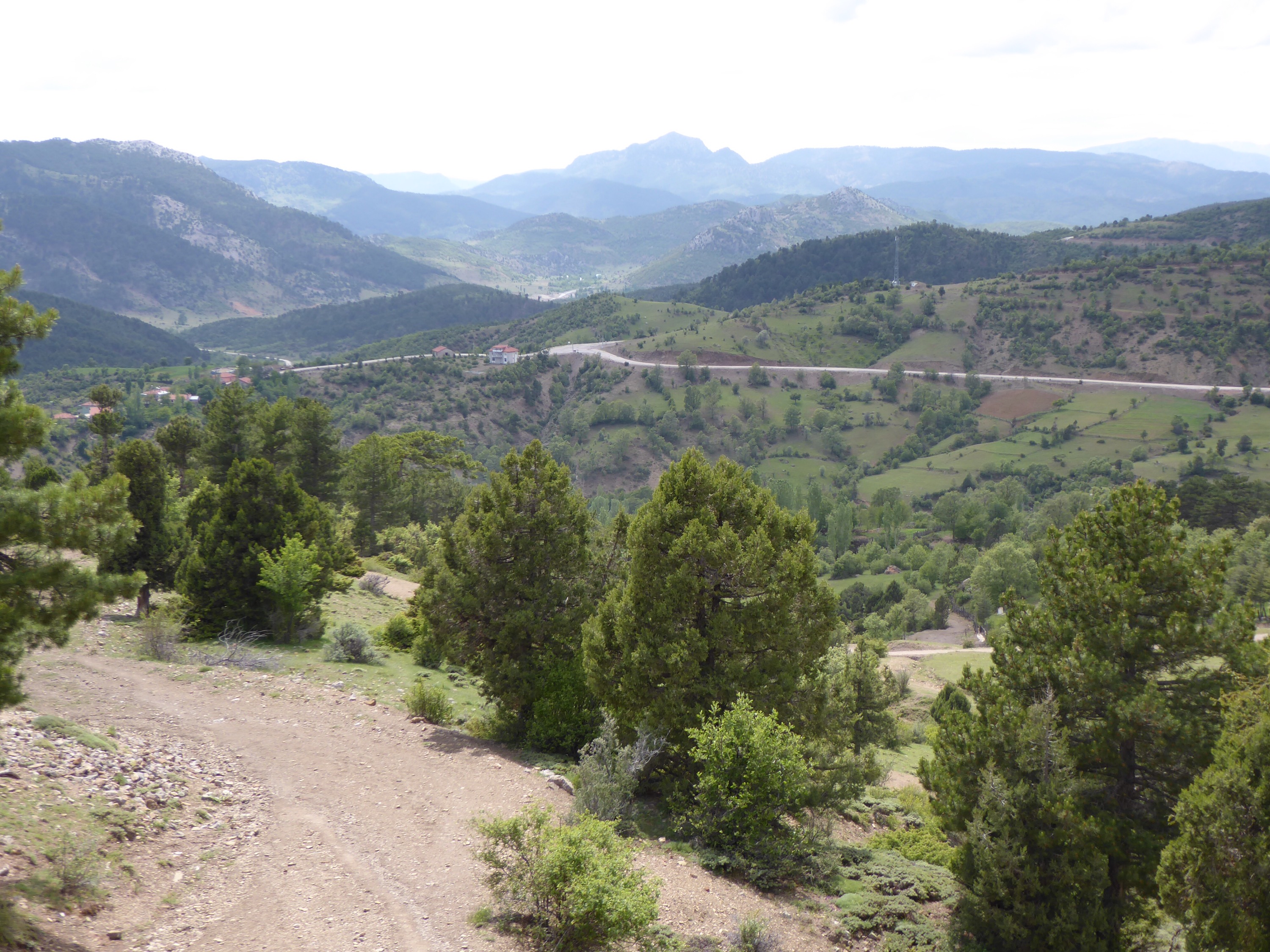
The guide books had said that there was not a road between Divrigli and Erzincan but there was a road marked on the map and on google maps and a blog we found confirmed there was a paved road through so a few km out of town we turned off the main road and started golng up and up and up. After a few km the road degenerated into a gravel road as road widening was clearly going on. Going up slidy gravel climbing in bottom gear was a challenge to say the least but luckily it only lasted 6km until we were back on paved road. 
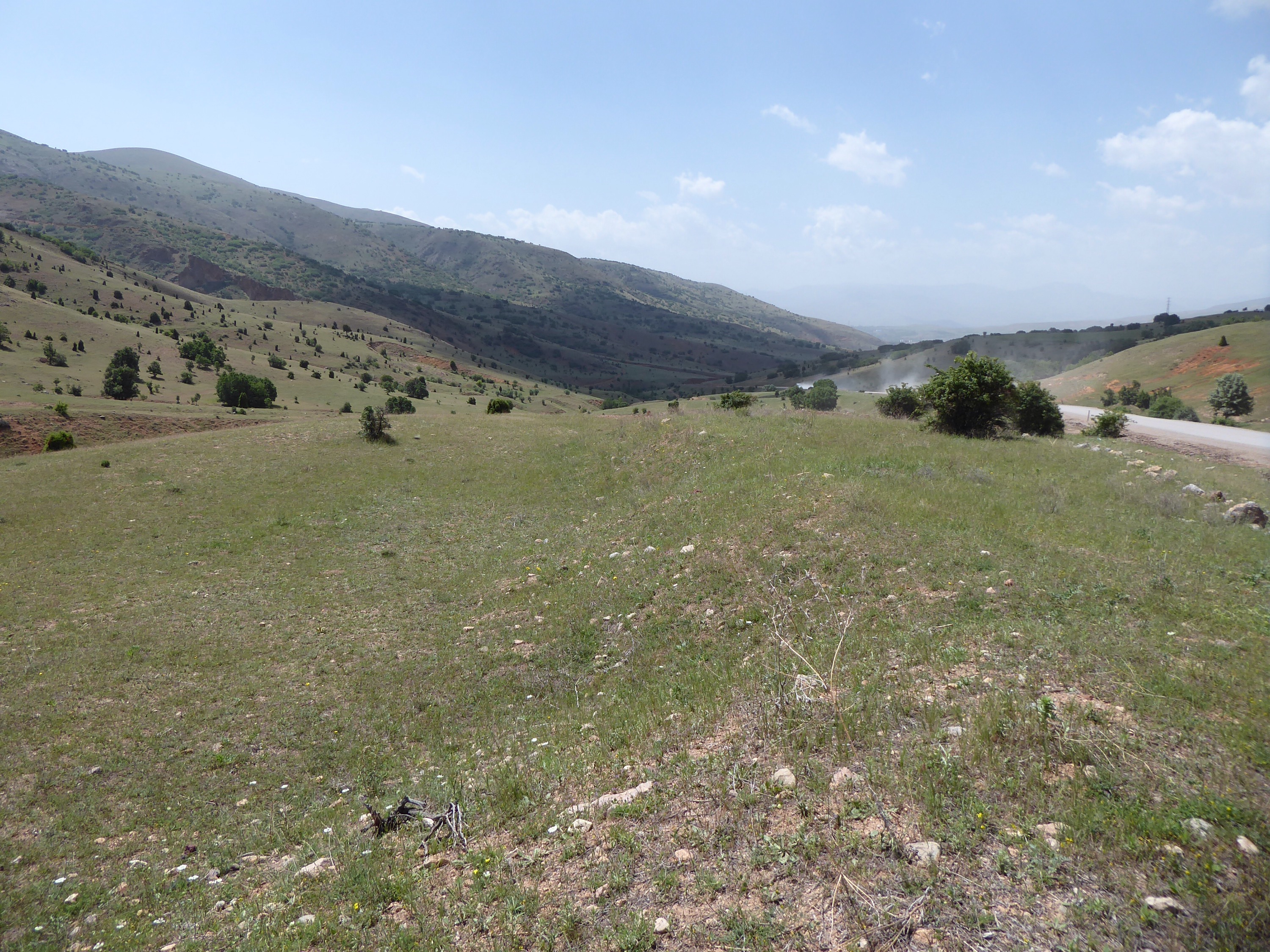
  
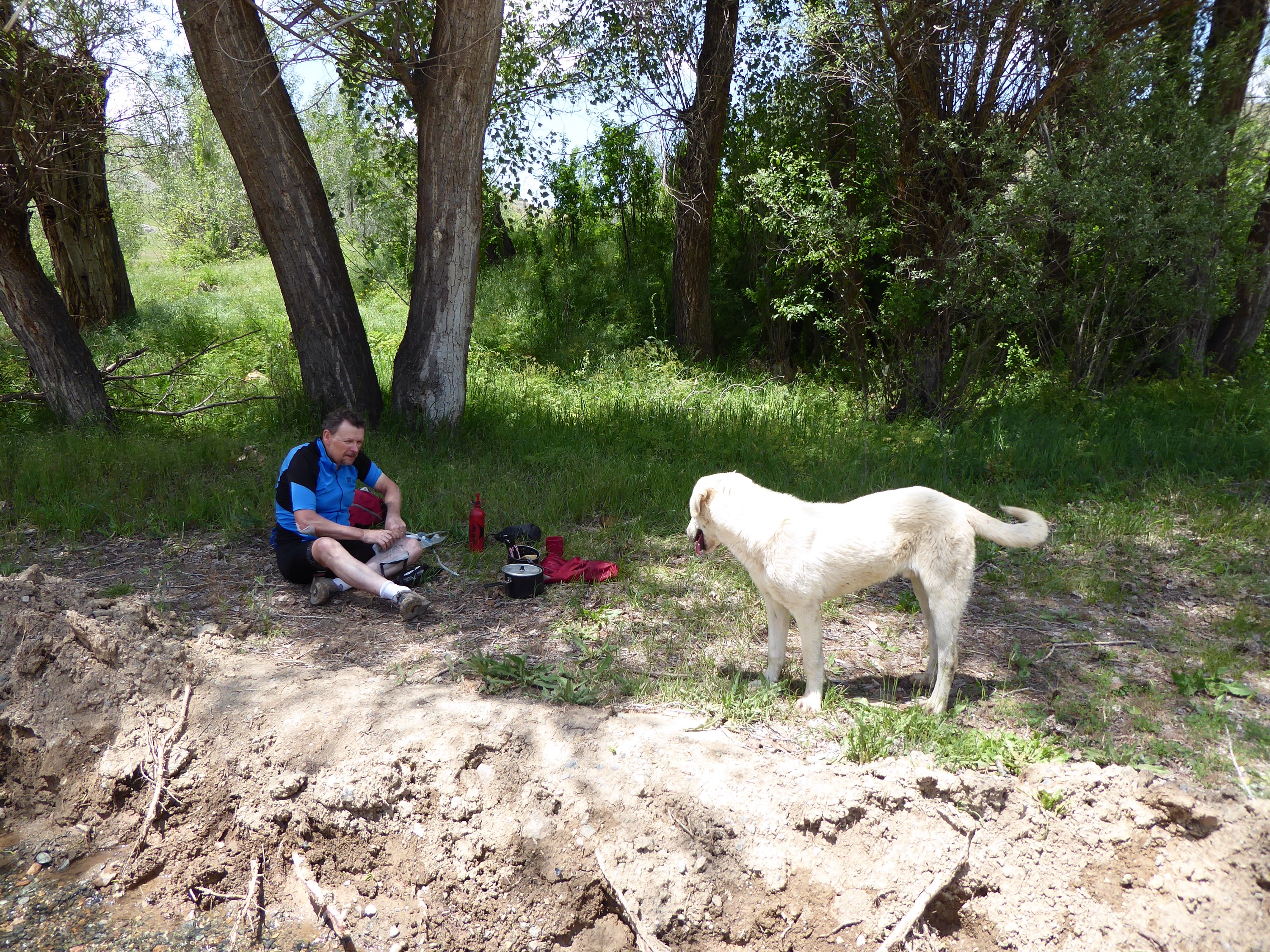
After a climb of about 400m we dipped down again into a beautiful green valley. We stopped for a break beside a small river and were joined by a friendly dog who flopped down beside us and look longingly as we ate some biscuits. the dog was out of luck as we needed all the energy we could get.
  

 We climbed gradually along the the river valley and then steeply at the end. Time somehow suspends doing a long bottom gear climb. Km crawl by and we creep up goal by goal – just get to that bend then have a rest, just get to that sign and we’ll have a drink. Eventually we made it to just over 1700m and sat at the top eating lunch looking out over rust coloured hills. A bit more up and down and then down down down on the descent into the next valley (4 hours up, 45 minutes down!).

  
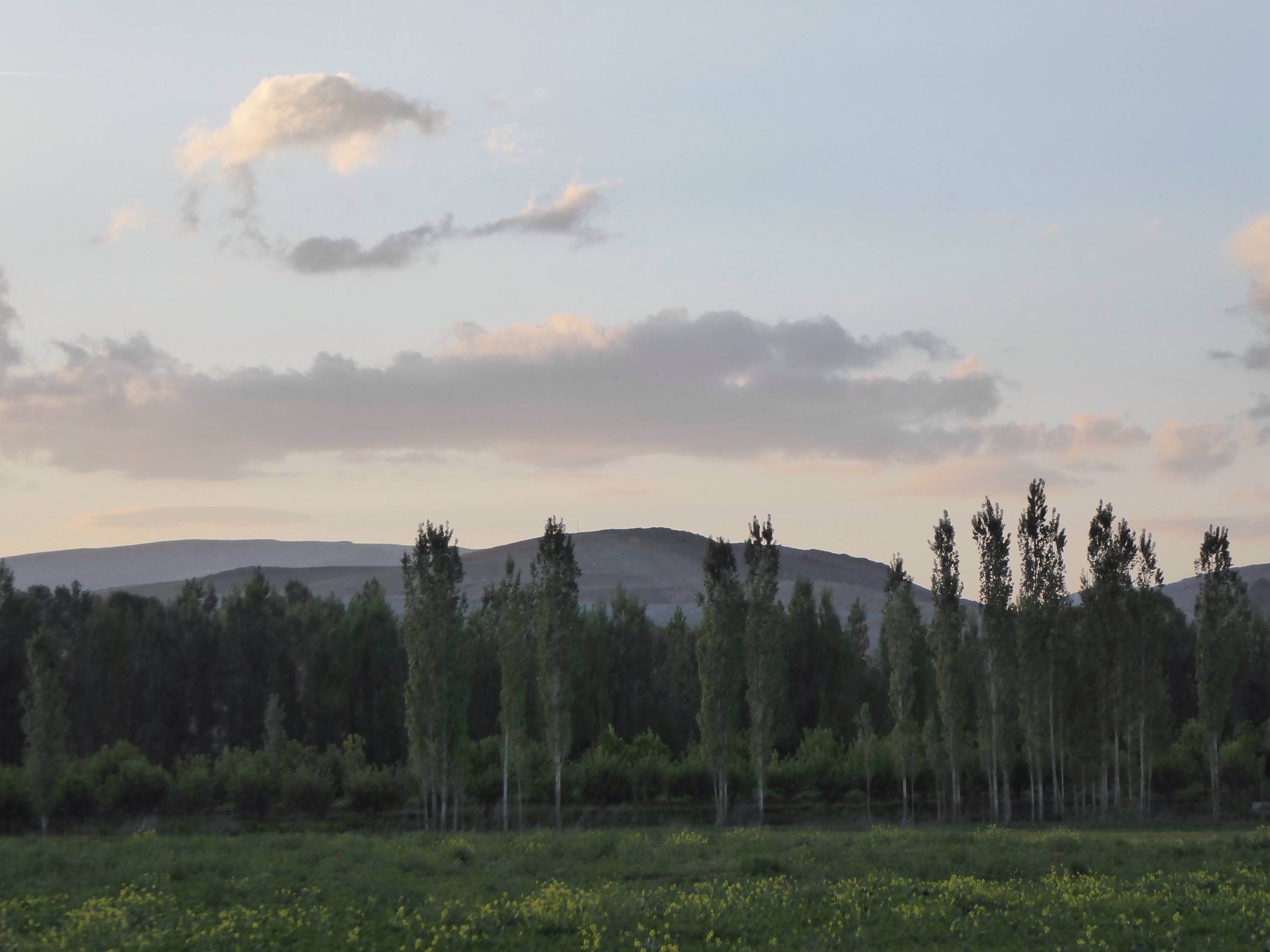
We hadn’t done a vast number of km but we were tiring but still a few more ups and downs getting rather slower. Thunder echoed aroind at one point with black clouds around but we managed to avoid the thunder showers. At last the final (we thought) descent down to the main river valley – a early stages of the great river, the Euphrates.  We were directed to a new bridge and new road and quickly it was clear that this was due to the construction of a large hydroelectric dam. More up to get around the dam and along to the town of Ilic. 

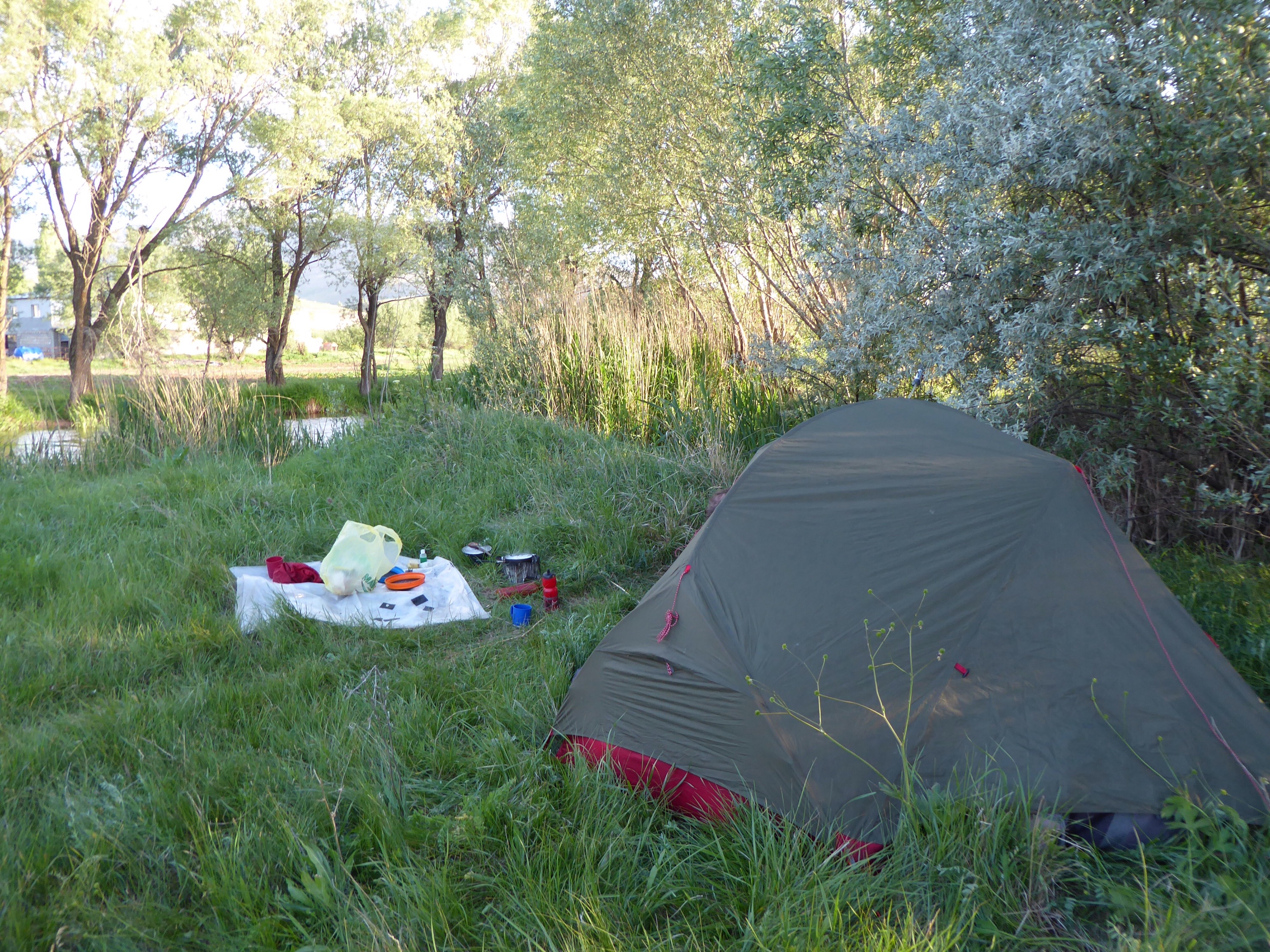
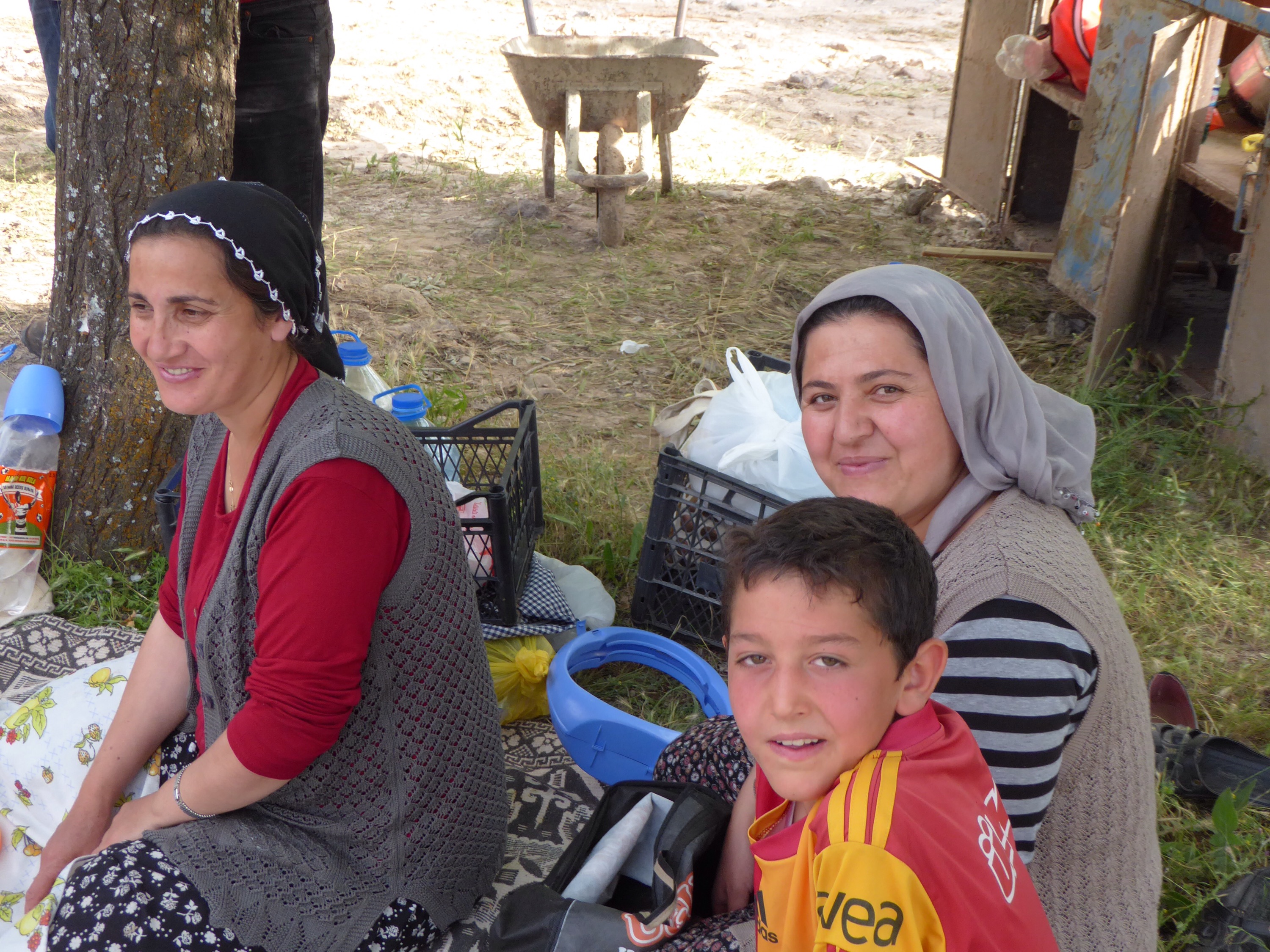
The last few km seemed to take an age. We reached the turn up to the town and cogitated turning up to the town to see if there was a hotel as we were so knackered or whether to go straight on to see if we could find a camping spot. I flagged down a car to ask if there was a hotel, not wanting to do any more climbing unless necessary but got a negative and completely blank looks when asked if there was anywhere to camp. It looked as if we would have to press on…and it was up hill again.  I tried to stop my moral sinking but just as we set off I glanced to a track and could see it ran down to a stream with some (rare) flat land. We wheeled our bikes down and at the end of the track there was a group of men, women and children. We asked if we could camp there and of course the response was “no problem, have some tea”. A fire was already brewing the teapot. It looked like three families, one of whom must have owned the little shack that was there. 

   
One of the men could speak a little english- he was a supervisor in a gold mine. The women were shy and smiling, laughing every time we groaned with delight drinking the lovely tea (and groaning every time we moved). 
   Edit 
 We took photos, showed them photos of the children and couldn’t believe our luck when all turns out so well when we were on the point of exhaustion! Tore ourselves away after 3 glasses of tea with our profuse thanks to set up camp, cook and collapse.
  

Day 21: Kangol to Divrigi: 87km and 1002m of climbing (6134km from Bewdley)

So we have been on this jaunt for 3 weeks and I had my first day of feeling totally knackered at the end. But it was a stunning day’s ride with all the ingredients that make cycle touring unpredictable, frustrating and superb.   
We woke in the middle of the night to a wind and rainstorm and needed a few extra guy ropes to stop waking up in a different field. However that passed and there were blue skies in the morning, provided we looked westward. Looking eastward was still grey and threatening.


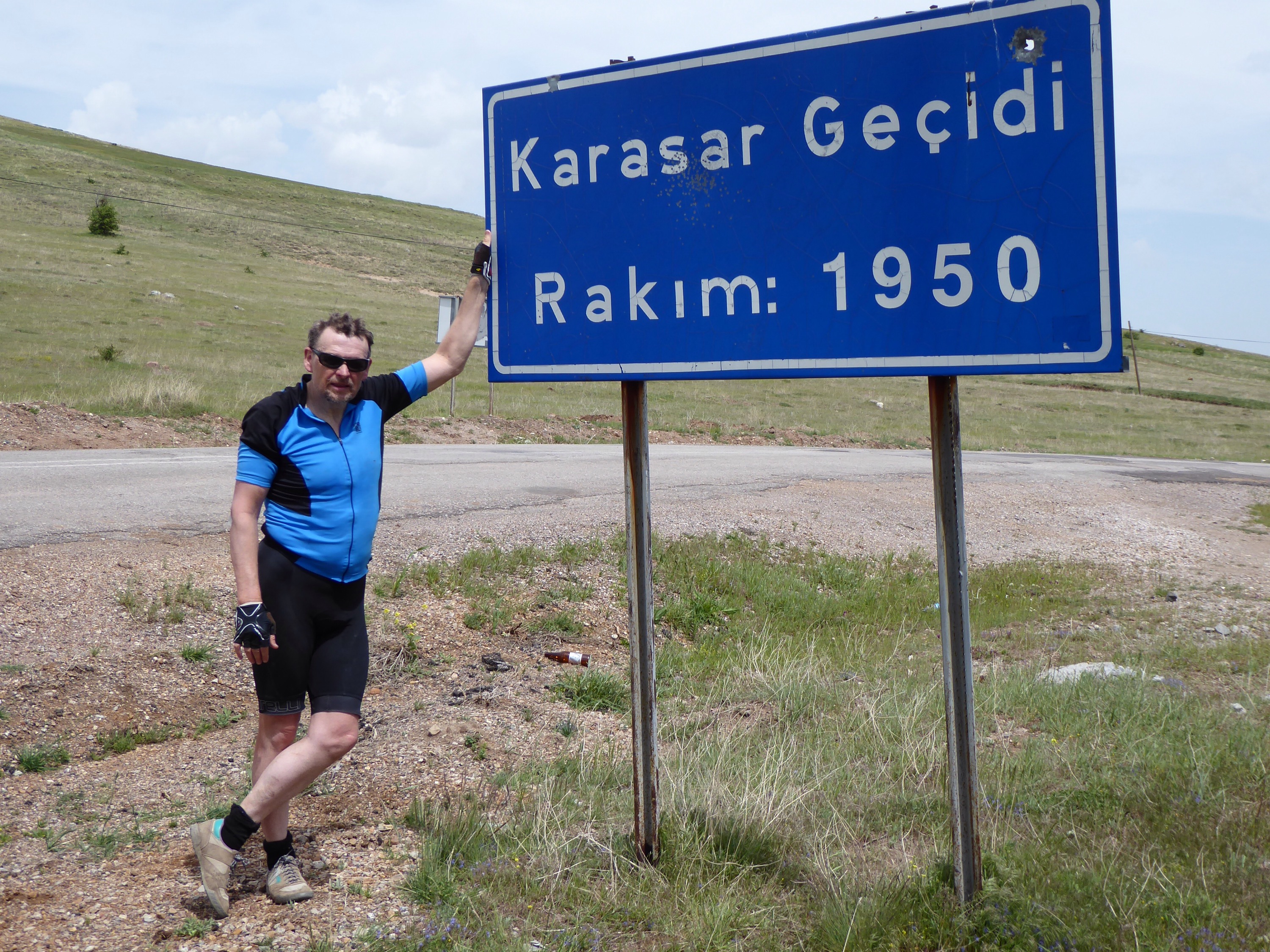
We packed up and got on the road by 8, which was not bad for a disturbed night. Then a slow climb out of the town on a deserted main road. We got to 1650m and felt we were making progress and then, somewhat to our surprise, started to descend. The next 20km were all downhill into a lovely valley as the road followed a river. Maps show roads following rivers but, without contours, it takes A level geography to work out which way they flow. I got this one wrong and enjoyed the road descending to 1400m. However nagging at the back of my mind was the concern that we had a 1950m pass to surmount and that every metre down was another one to climb.


Finally we reached a village where the river went one way (with a railway) and the road went another – and so we reacquainted ourselves with bottom chain ring. The next 20km were mostly a steady climb of varying levels of steepness. The landscape changed as we climbed, with a more mountainous feel. But there were cultivated fields on both sides of the road all the way up.


Elevenses was a “DIY” cafe as we brewed coffee on the side of the road at 1700m. Just 250m climbing to go we thought and felt we were making progress. But then the upsi-downsi part started. Over the next 20 km we climbed a further 400m and made about 100m net progress – really frustrating. There were little villages throughout the route – even though this must be seriously harsh conditions in winter with snow on the ground for more than half the year. The growing season must be short and, even in May, there were patches of snow on the hills above the villages.


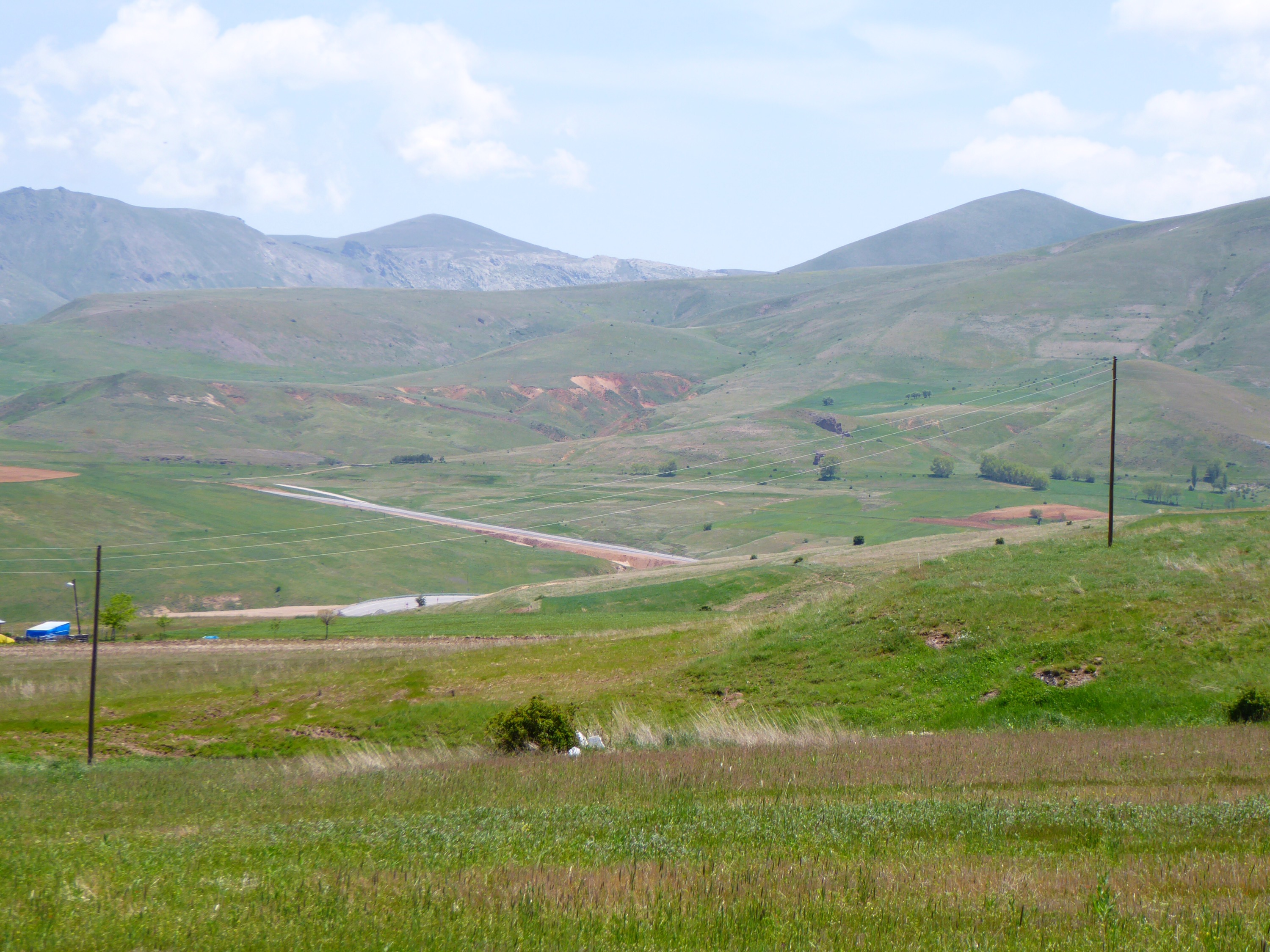
The top was a classic pass between peaks, and had farms and cultivated fields – even at over 6000 feet above sea level! Then we descended – and boy did we descend. The road dropped from 1950m to 1000m over the next 15km.

    
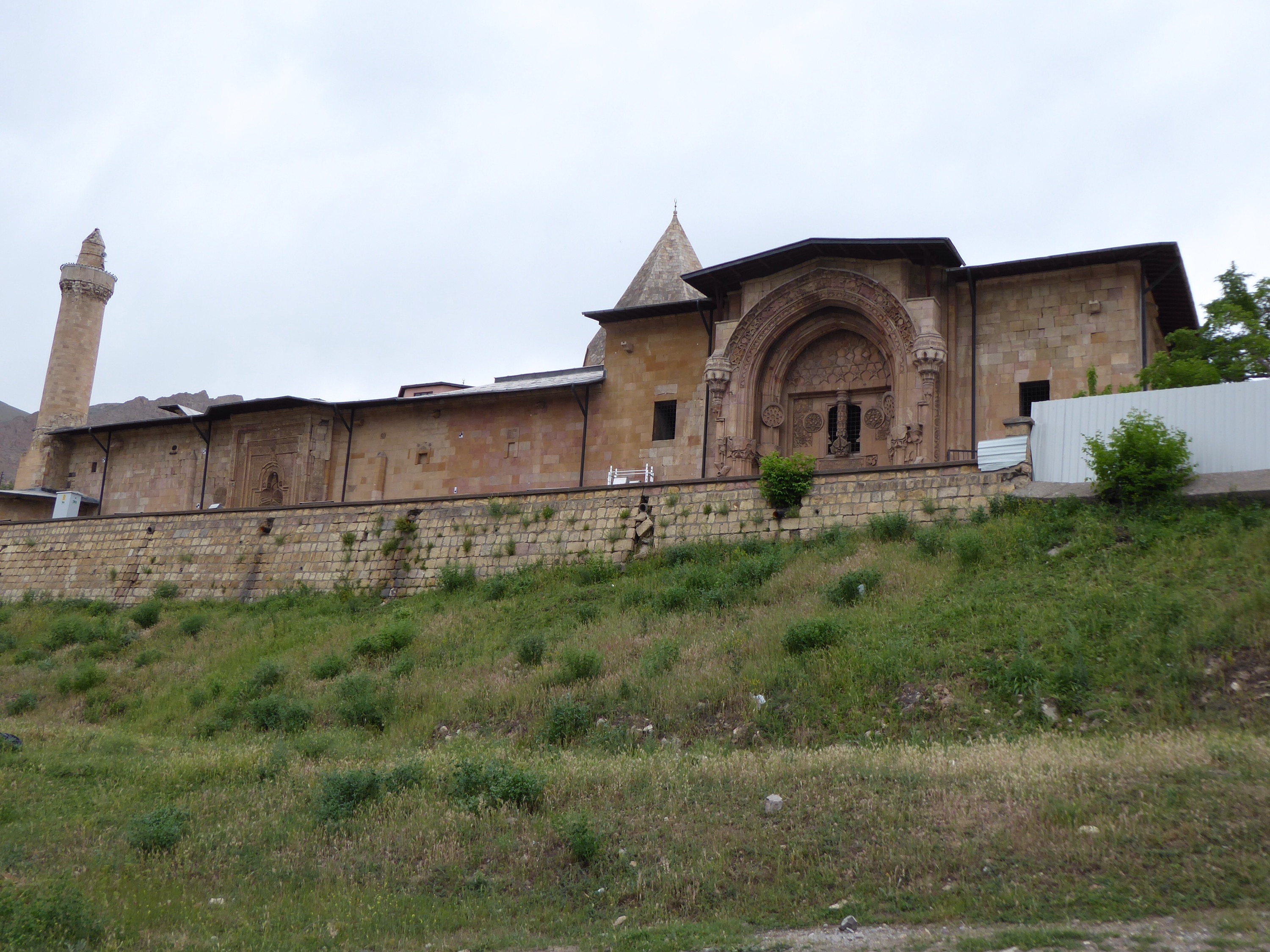
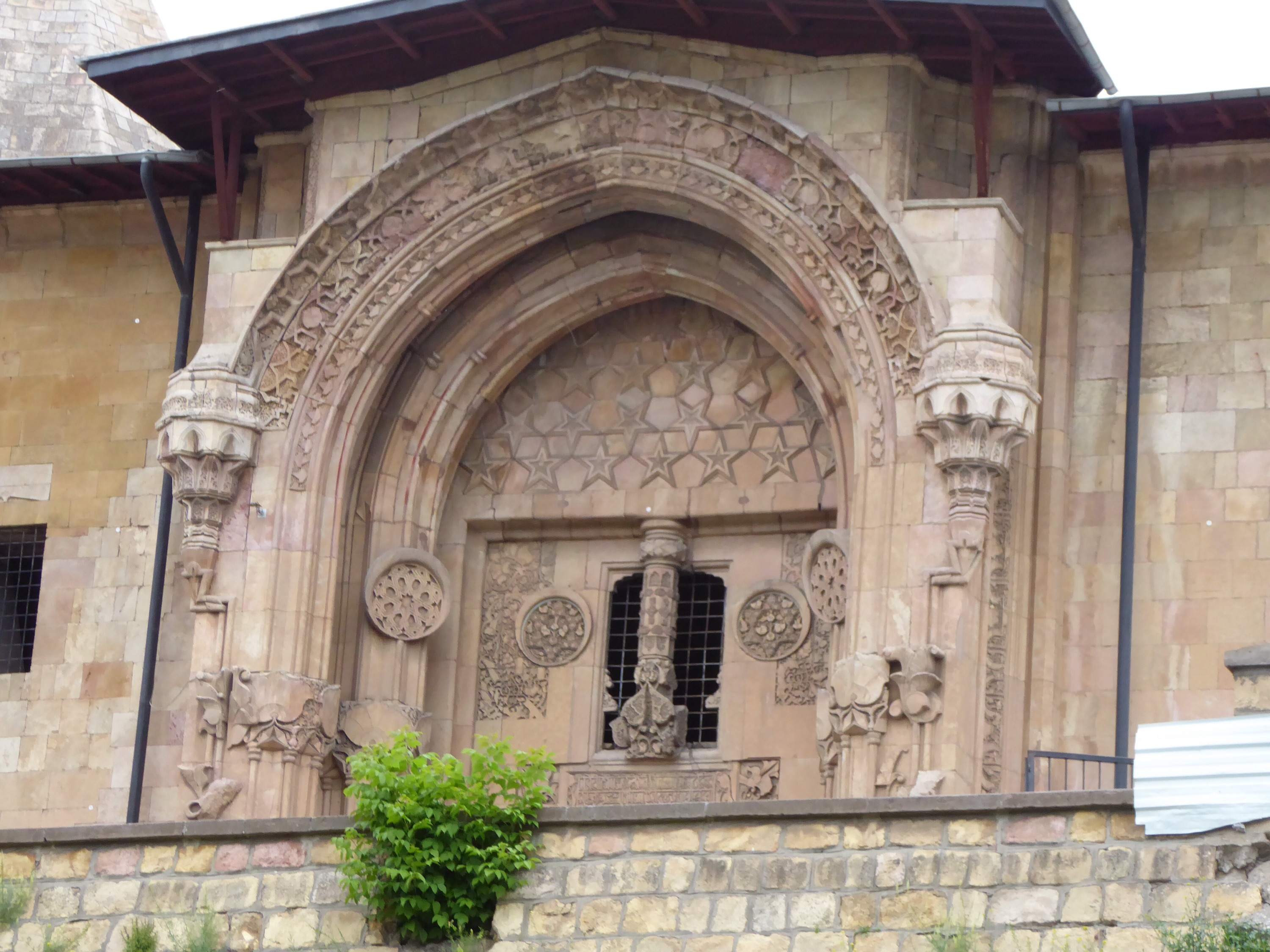
Divrigi is a pleasant little town of some wealth, sitting in the mountains around it and serving the local area. It has a C12th mosque and hospital which has spectacular porticos and is on UNESCO’s World Heritage List – and was part of the reason we included this on our route. The UNESCO listing may explain the considerable funding which has been provided for restoration works and so explain why it was closed when we attempted to visit. There was a sign which said something about the mosque being open until 6pm but, at 5.30pm when we went, it was very clearly in lock down. However we looked at the outside and saw how splendid it was and will become once re-opened.
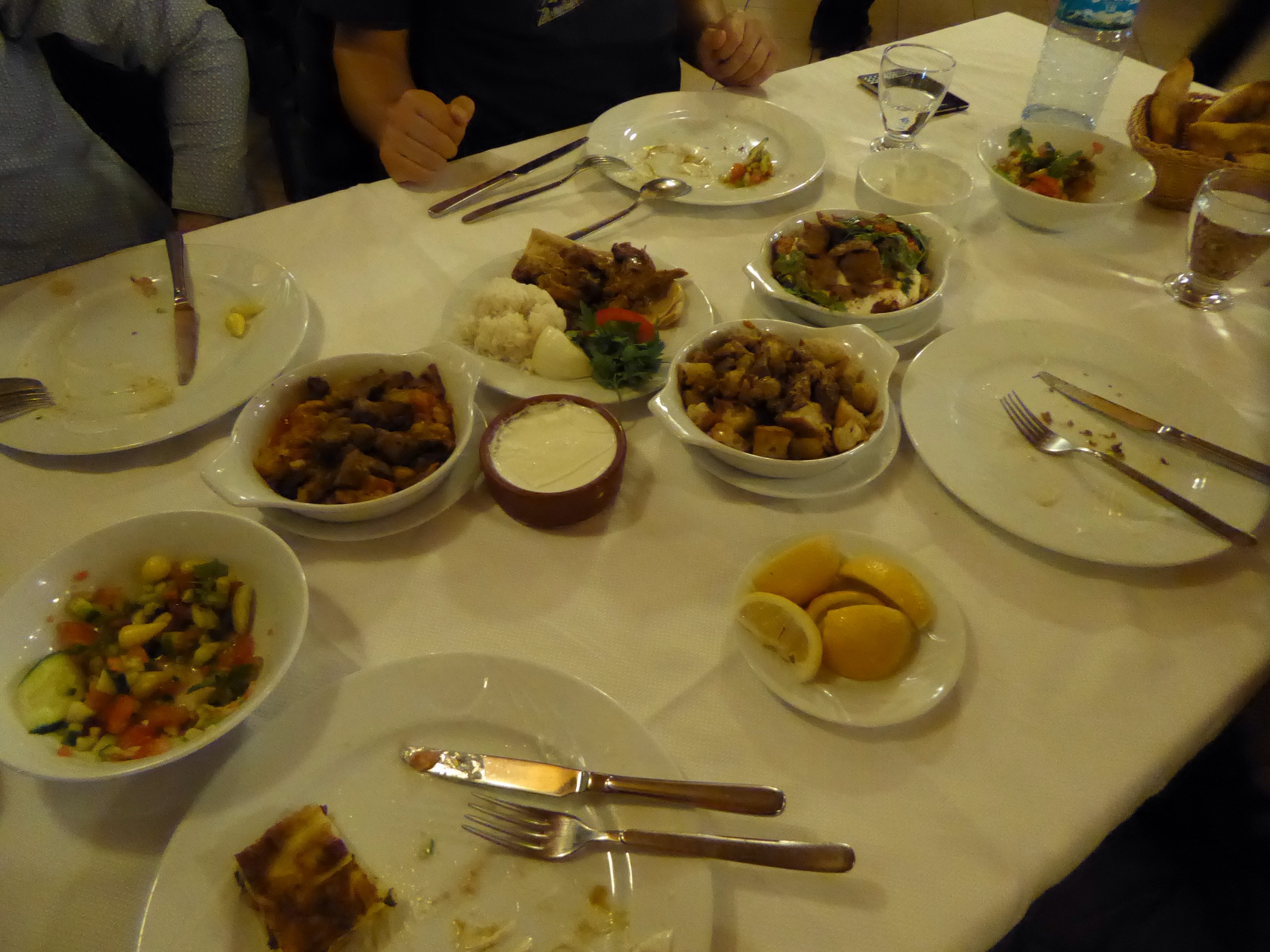
A meal of kebaps (we were the only diners since others must have found out about the closed mosque), tea at a teashop and baklava from a baklava shop ended off the evening.

Day 20. Pinarbasi to Kangal. 120km. 1040m climbing (6,0477 km to date)

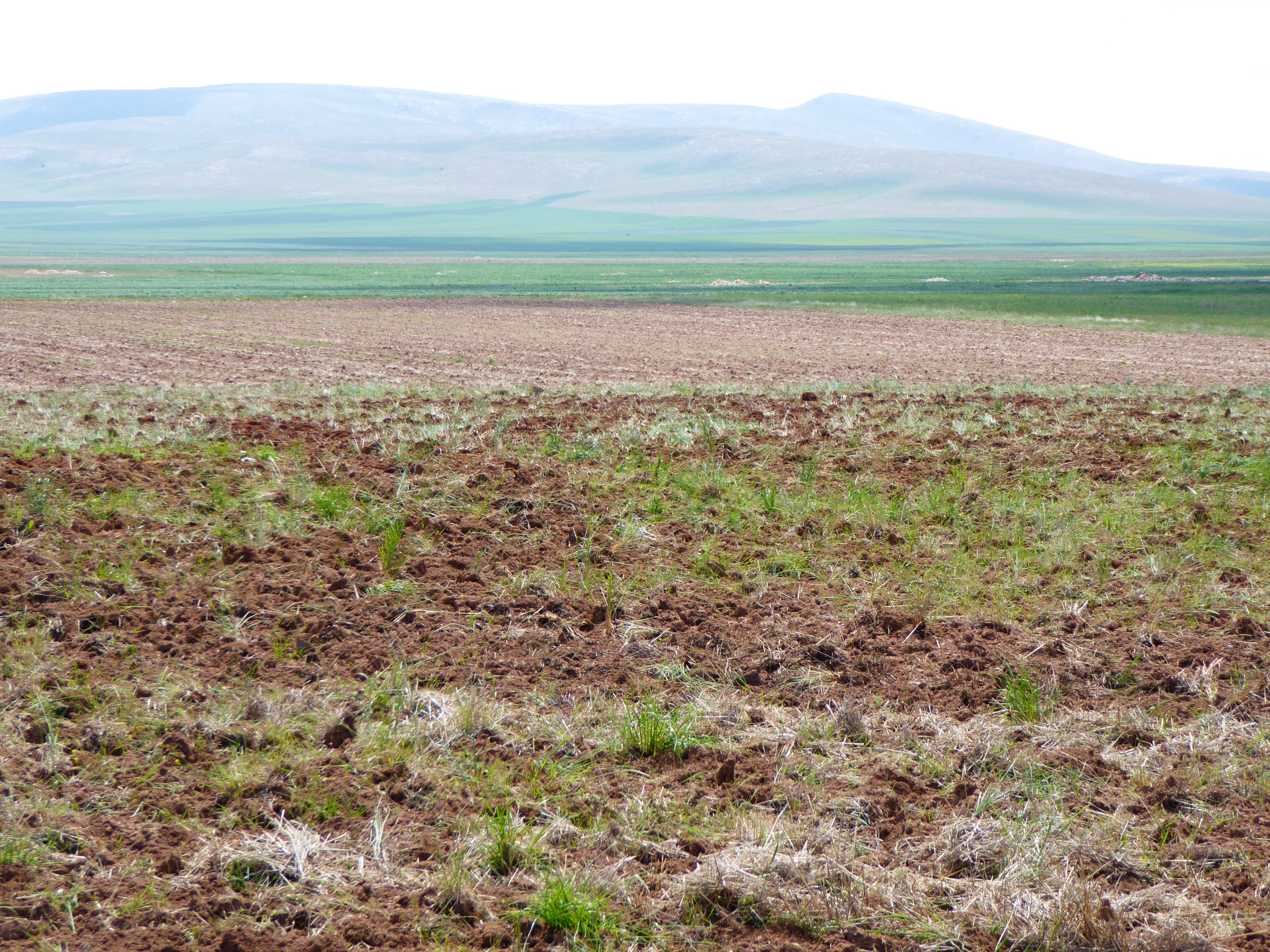
We woke to the sun streaming into the tent and packed up from our riverside camp and were on our way by 7.30. These early starts are often my favourite with an hour or two of fresh air and fresh light. We gradually climbed, the road undulating but taking us a bit higher each time.Although we were still on the main road it was very quiet and there was no sign of life apart from a few far distant villages. We finally hit just over 1800m – our highest elevation so far – and we found ourselves on a massive high altitude plain.


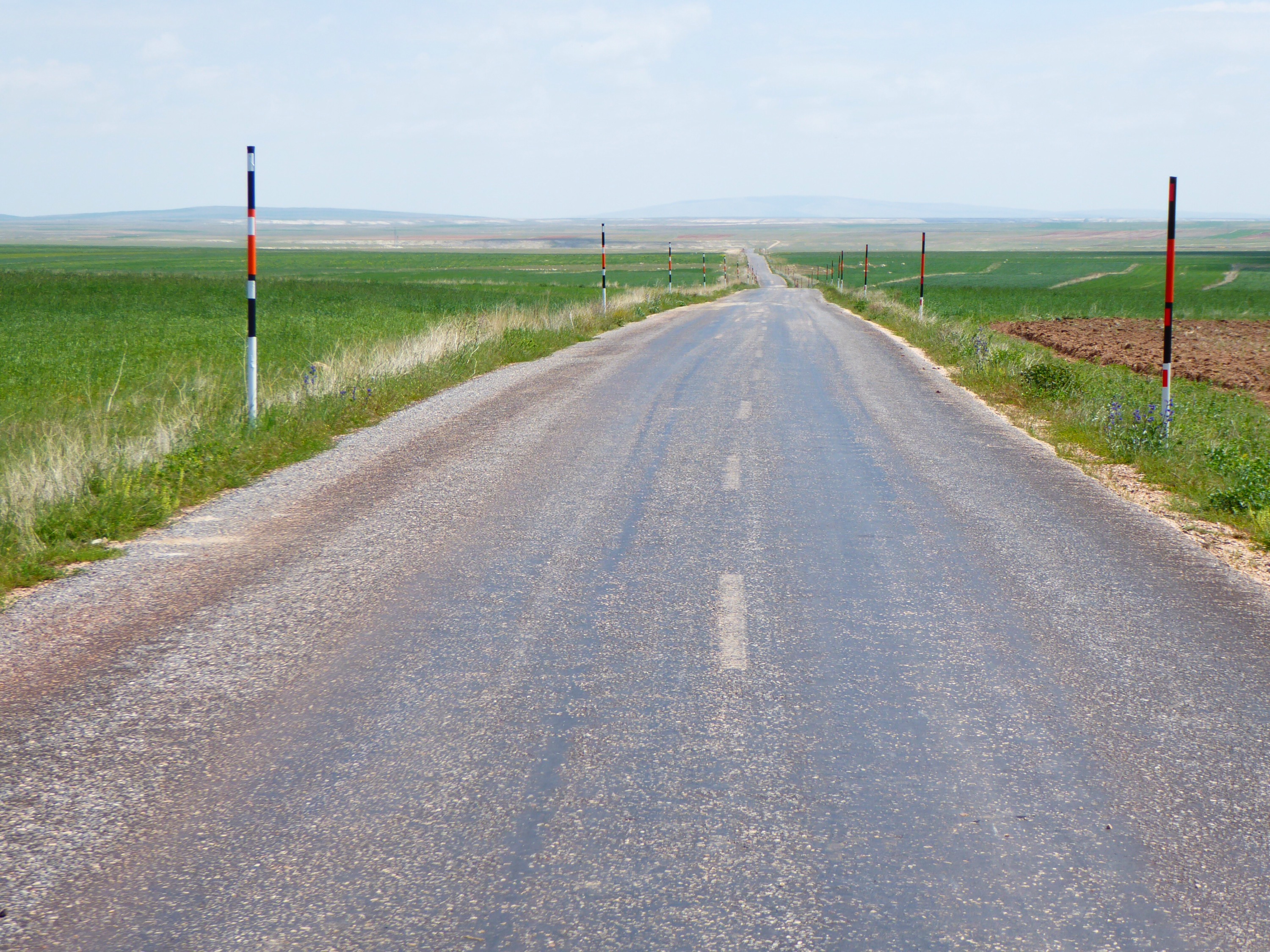
We turned off the main road and it immediately felt much more remote. There was a small village a few km on but very little sign of life. There was a school but no sign of any children. No shop but there was a small petrol garage. The man there invited us to sit down which we did for a few minutes while he smoked but no offer of tea – it obviously wasn’t brewing (it takes about 20 minutes to brew turkish tea). We turned on to an even more minor road with the road stretching into the distance. Some of the land was cultivated even at that elevation but in winter it must be bitter. Aziz said there was snow on the ground for 2/3 months a year at 1100m – so it must be much harsher at 1800m.

    
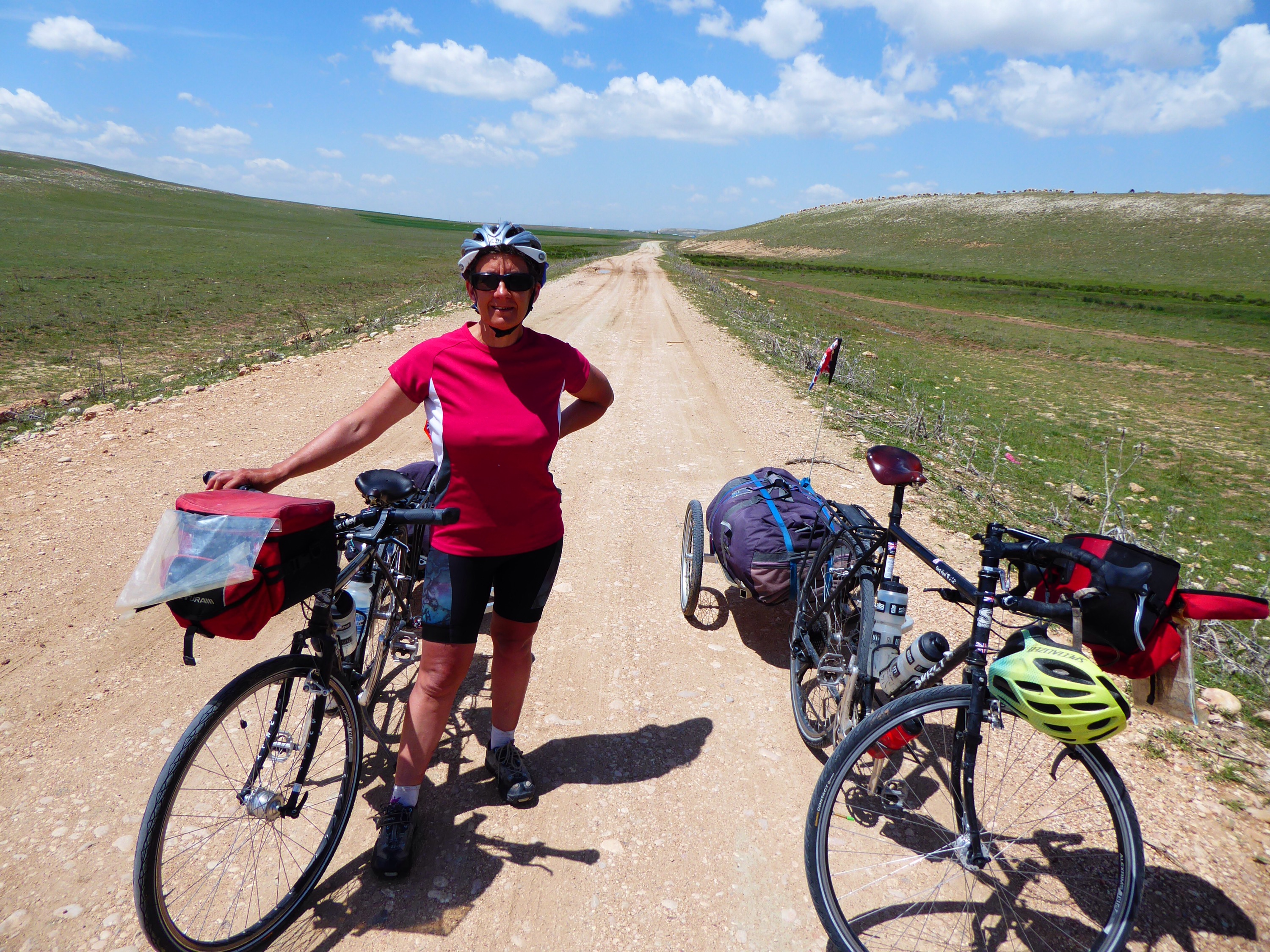
There were post markers along the road, we presumed to show the way when there was snow. We passed a couple of other tiny villages that huddled into an occasional dip, giving some shelter – just a few shacks/houses and a minaret but very little sign of life (but serious smells of cow slurry). At a village after about 20km the tarmac ran out and we found ourselves on a dirt track. We bumped and rattled along, our speed markedly reduced as we concentrated on finding the best line along the ruts. Luckily the track was dry and compact so not as bad as it might have been. We had no idea how long this would go on for – it was 30km to the junction of the main road but fortunately after 12km at the next village some tarmac of sorts returned (at least in patches around the pot holes) and then improved to a reasonable surface and we were able to cover some km again at a reasonable speed. We had dropped into more of a wide valley then finally followed a stream gently down hill. As always there was climb out of the valley to the main road over hills stripped horizontally white and pink. 
We had covered over 80km by now and were beginning to tire but there were more valleys to cross and more undulating hills which seemed to go up for ever, but at least it was not steep.  

  
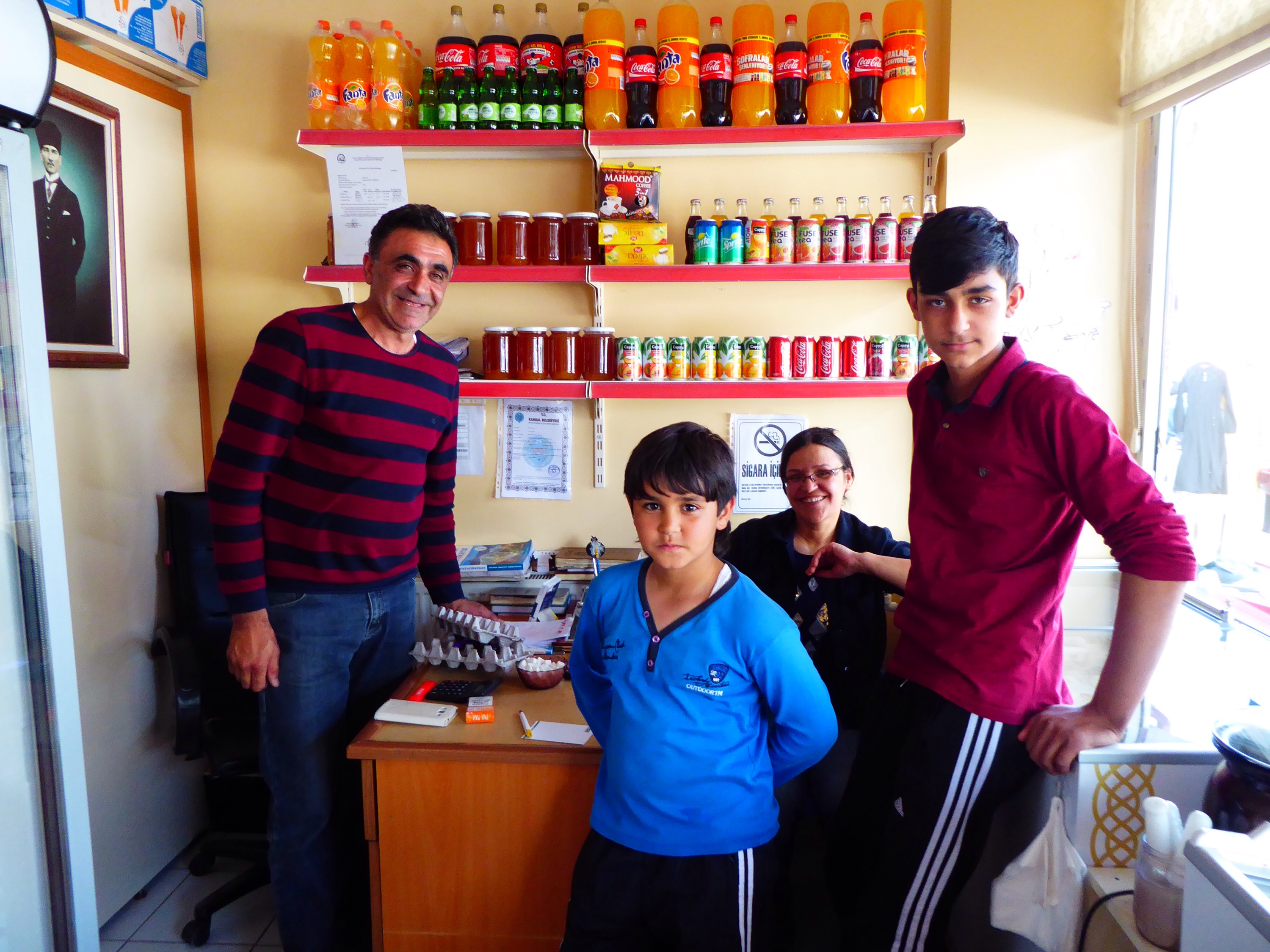
We finally reached the small town of Kangal. It was market day and the town was bustling. We did some shopping and stopped at a tiny cafe for some tea, several glasses in fact having been deprived all day. They also sold fresh laid eggs so we brought some for a few lira and with the usual Turkish kindness they refused to accept anything for the tea. Although we had covered out longest distance yet it was still on 4pm as we had left so early so we pedalled out of town to where we could see a minor road crossing a river and found ourselves a camping spot. 

  
As we left town a car passed and the cafe owner emerged with David’s headband – which he must have left at the cafe. He knew which way we were going as he was seeking to persuade us to go to a Fish Spa, 15km away. However nice a fish spa may have been, we did not have another 15km in our legs! In fact our camping spot is great and probably better than a fish spa – apart from croaking frogs (something of a perennial there) and mossies. We were so grateful to the cafe owner for his kindness – but it is typical of Turkey. 

As it was still warm and the river was easily accessible, we were able to have a wash and ‘bucket’ shower. Not quite steaming hot water but fresh and blissful after a long day. After we had been in the field for a few hours, the farmer turned up to see what we were doing in his field! He was wonderful, showing us all his fields and having a conversation about farming in England and Turkey – all via googletranslate.  He kept saying that us camping was no problem for him but he would have preferred to take us to the fish spa and get us into a decent bed.  We declined which he took graciously even if without comprehension.

 A really interesting cycle across some high, challenging countryside, even if we ended up at the same elevation as we started.

Day 18: Kayseri to Pinarbasi: 93km and 1045m of climbing (5945km to date)

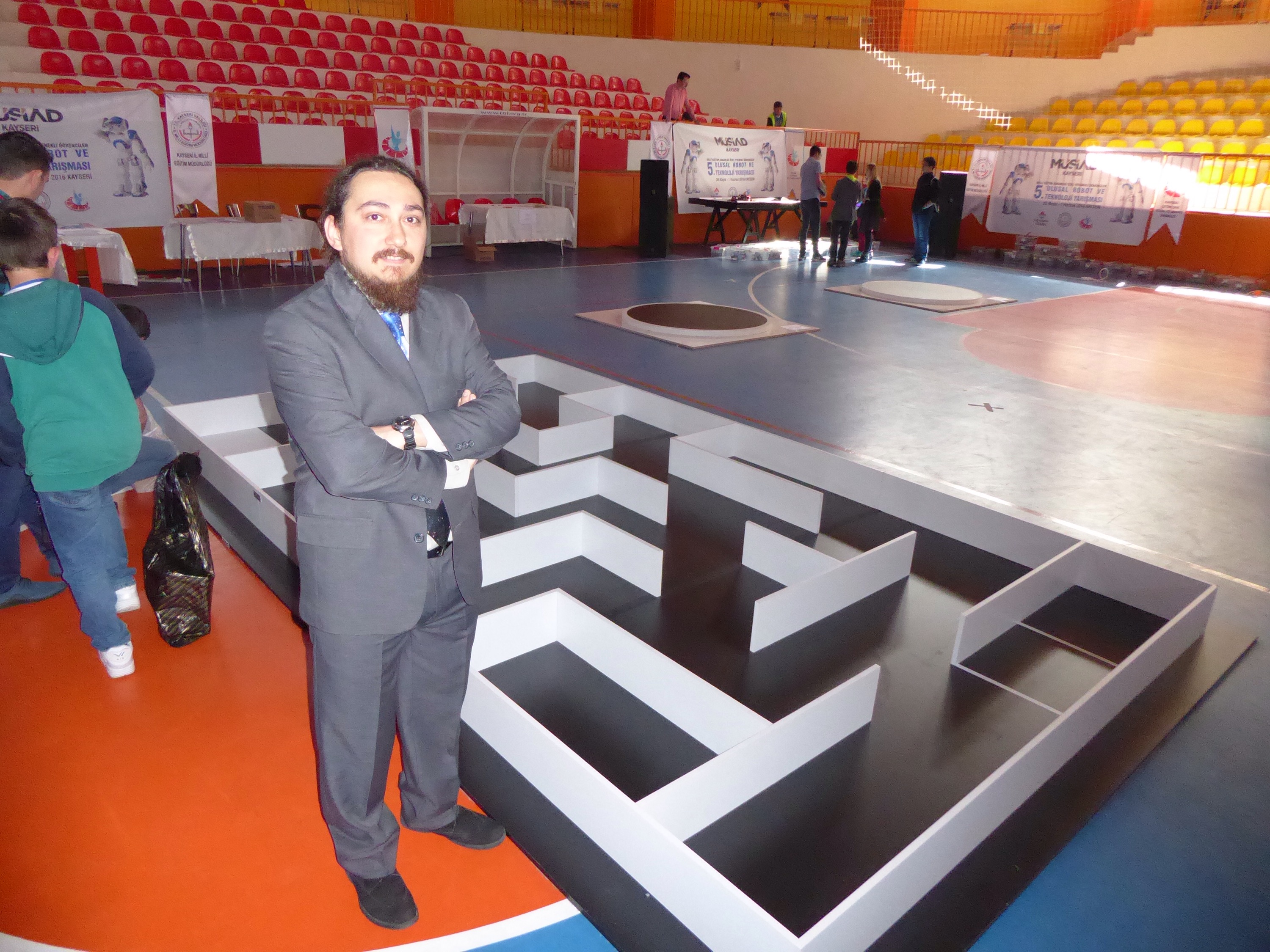
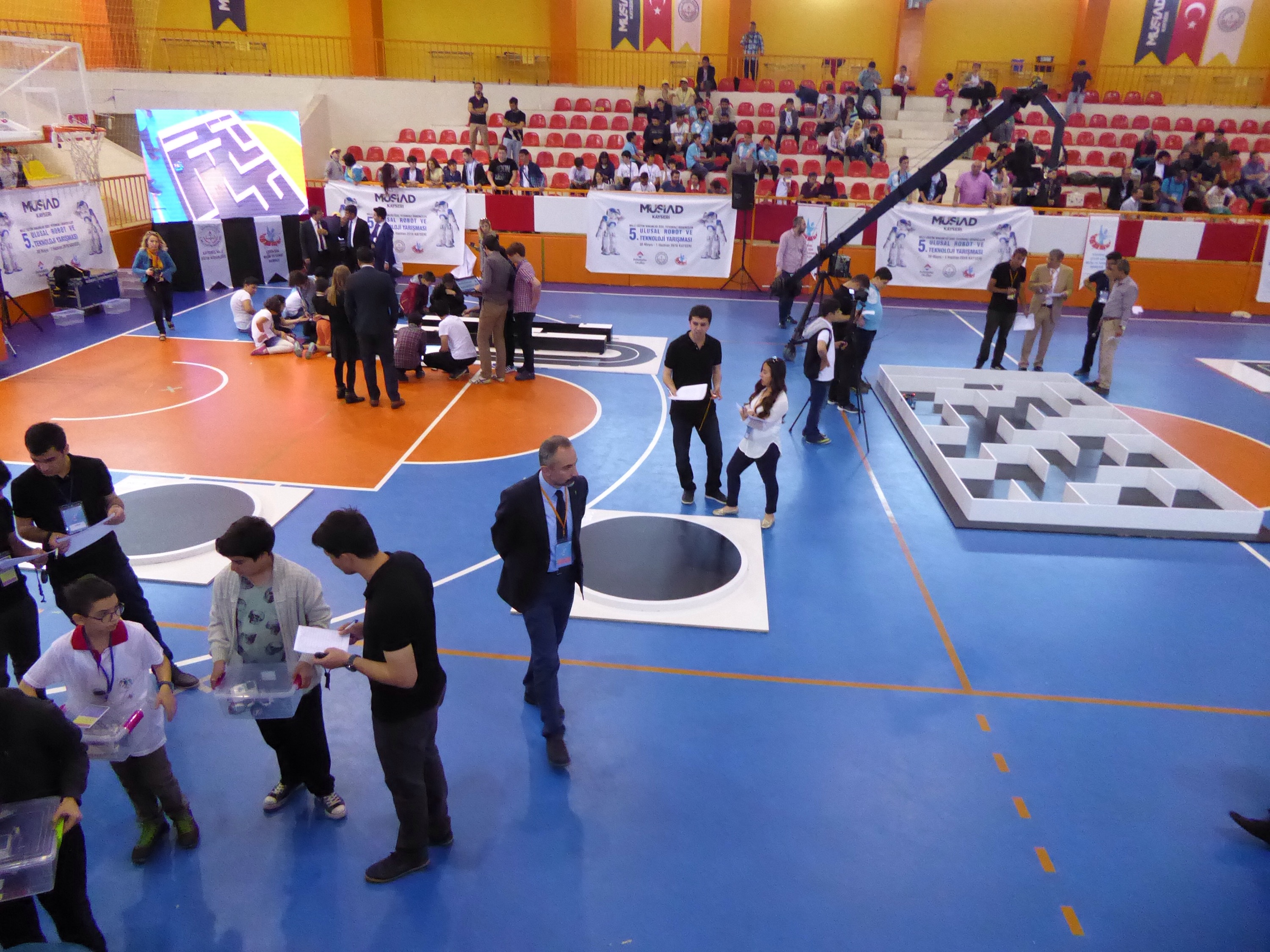
(David) I had never been to student Robot Competition until this morning (or indeed any other type of Robot competition come to that). So it was a no-brainer for us to accept Aziz’s kind offer to see him and his student at work.  
   
 He teaches at a Gifted and Talented school – and the children between the ages of 8 and 16 who made, coded and created the robots certainly lived up to the billing. The competition was in a basketball tournament stadium, with children cheering on their friends as the robots attempted to navigate a labyrinth or defeat each other on the Sumo mat. Technical skill was on display in abundance and then the enthusiasm of the victor and the gutted looks on the faces of the losers. It was a privilege to be there.

At about 10.30 we dragged ourselves away and began the ride to Pinarbasi, which is 90km East of the city of Kayseri along the main road. Lots of climbing to begin as we went from 1100m to 1500m, but of course it was up and down, then more up and a bit down and then more up..

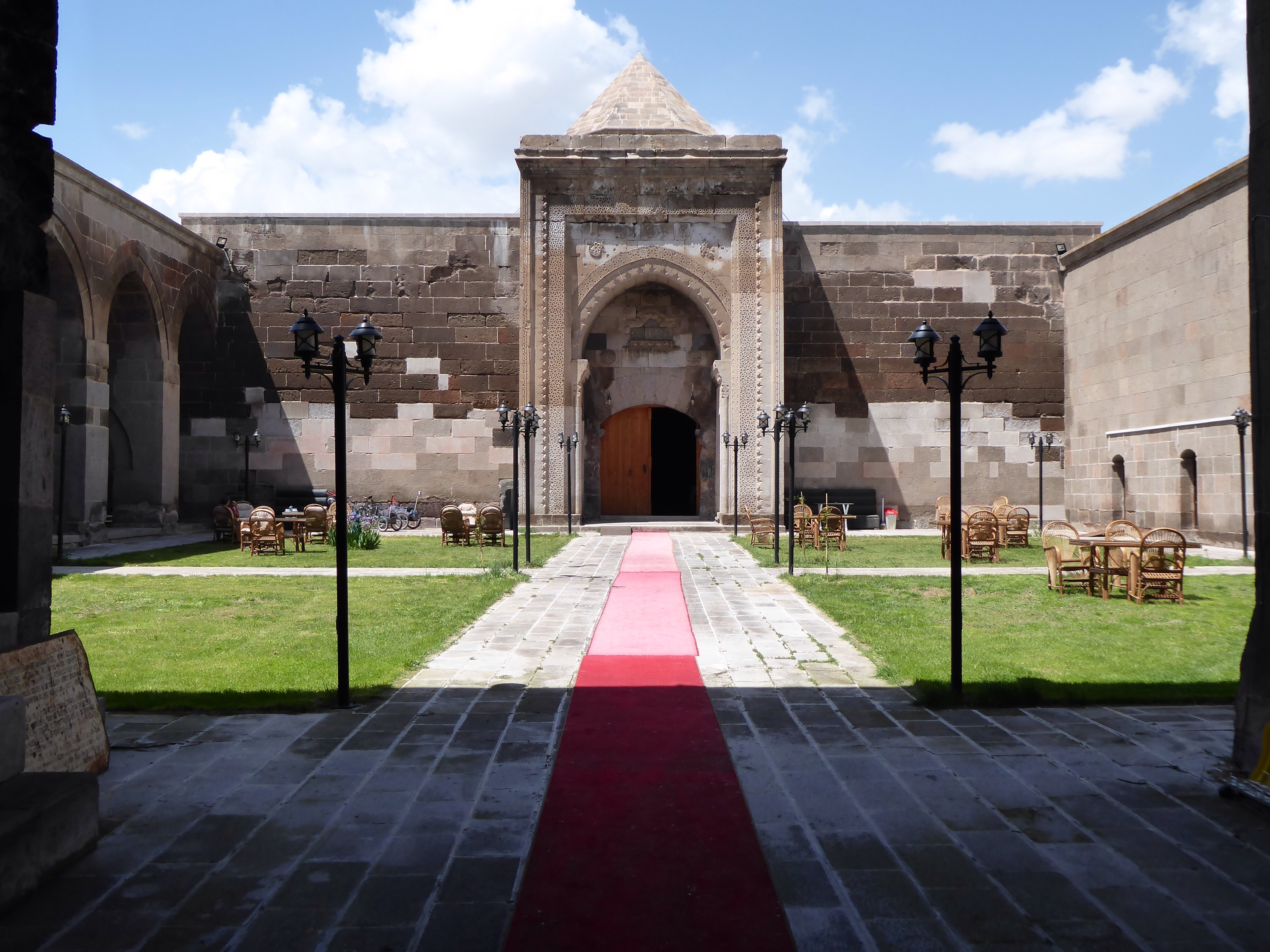
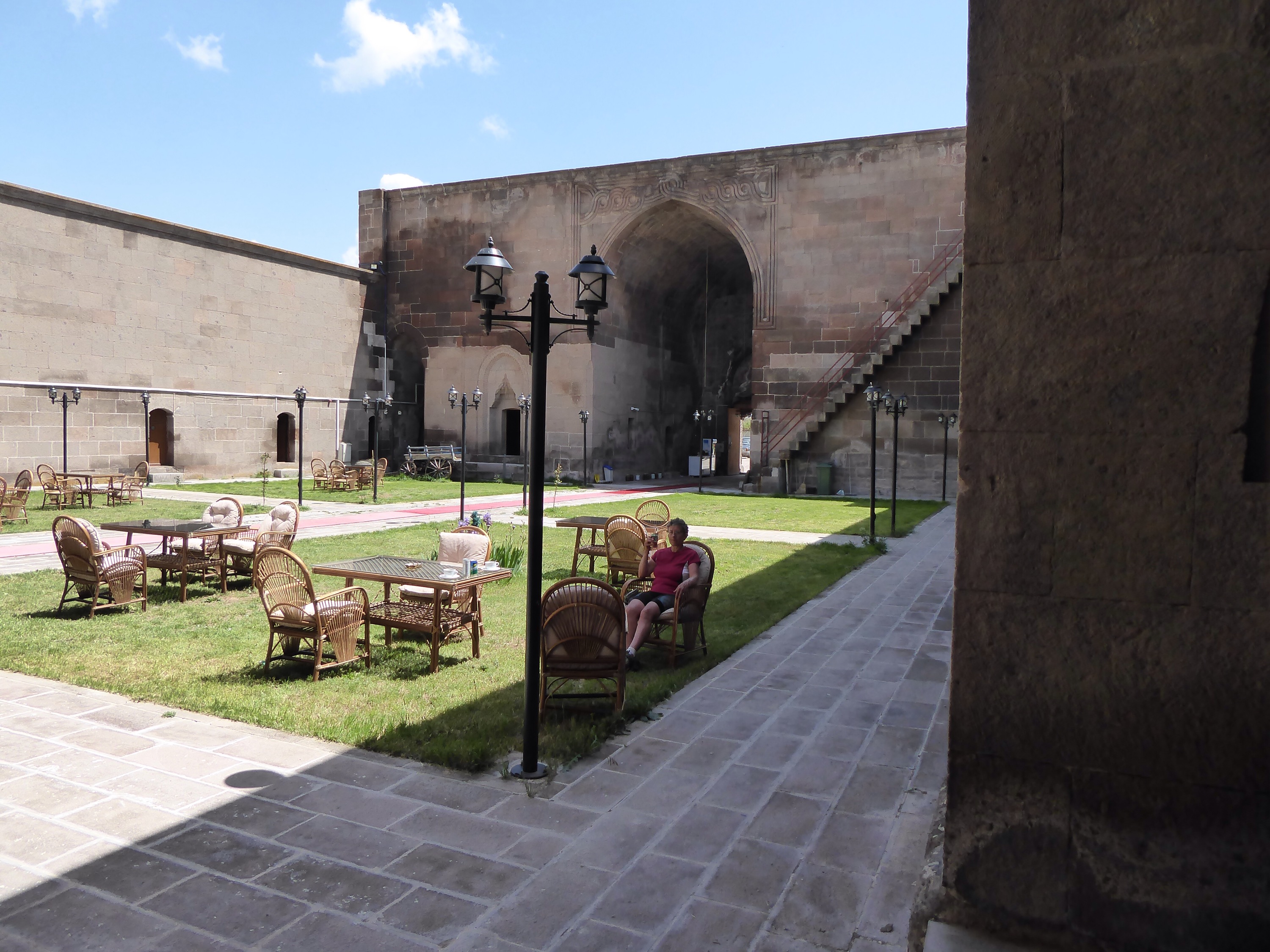
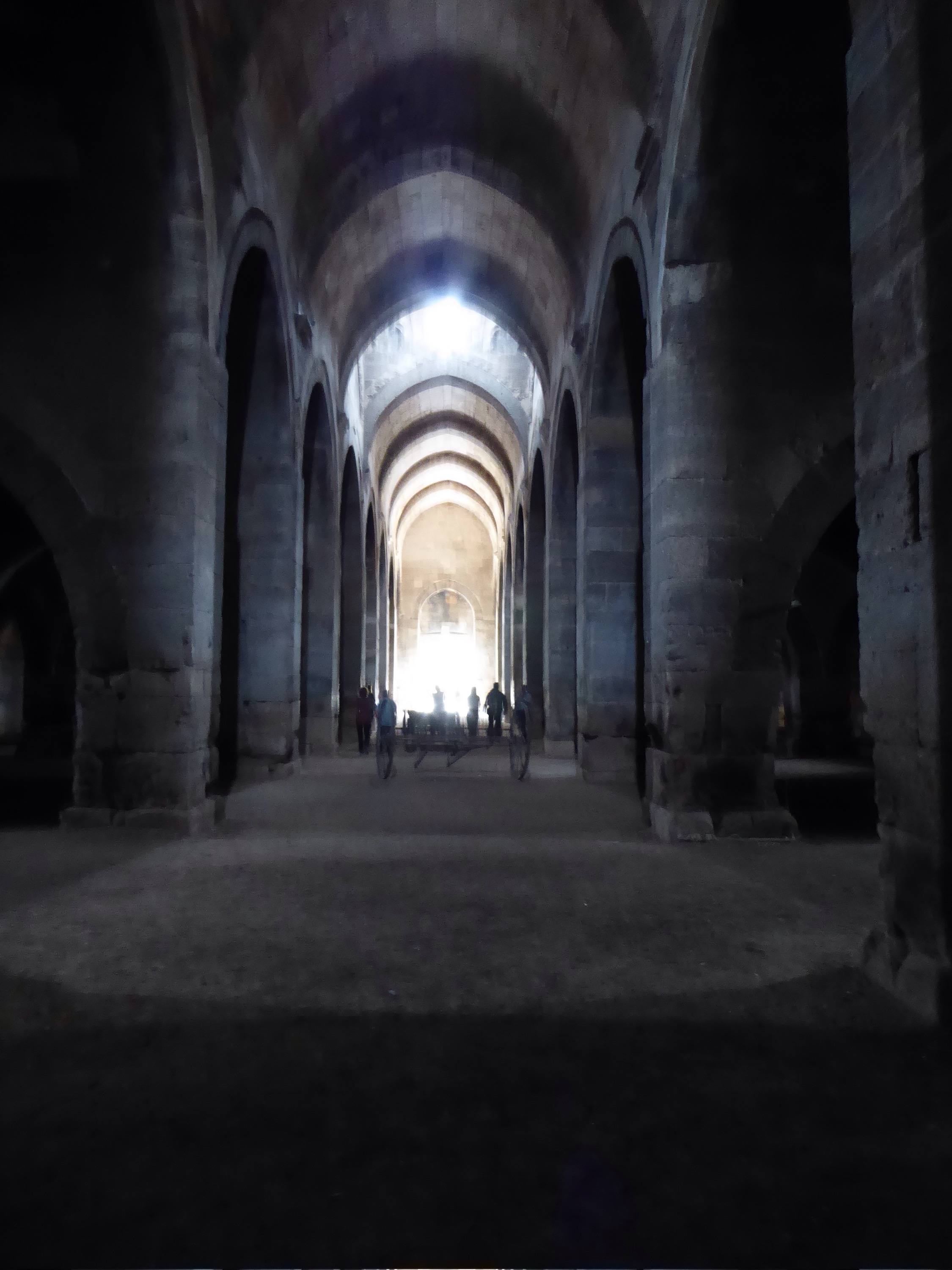
Half way along we stopped at a magnificent caravanserai, which had been done up inside for weddings but operated as a cafe between nuptials. Well kept albeit surly staff (who sold us a soft drink and then said it was closing in 5 minutes). They were far more interested in the glamorous couple who, we suspected, we sussing it out for their wedding.
   
 
50km more and a few ups and downs. The landscape got prettier and the mountains ahed looked bigger before we got to the village of Pinarbasi. We contemplated getting a hotel – until Bernie saw the room and, given its state of cleanliness, we opted to camp. A few km outside the town we found an idyllic spot next to avriver to camp and set up our tent. The farmers all saw us, waved in a friendly way and let us get on with using a corner of the field.

   
 No one appears to be proprietorial about land when we camp we just find a corner and make sure we leave it as we found it. The weather is much warmer and for the first time we weren’t rushing into warm clothes and could enjoy sitting out in the evening sun.

Day 17: Goreme to Kayseri. 90km and 812m climbing (5852km to date)

(Bernie’s turn) Tempting though it was to stay at the Melek Cave Hotel (my favourite so far), it was time to move on. The first 10km was a lovely cruise downhill to Avanos in the morning light with the last views of the rock formations before turning on to the main road to Kayseri. The road wasn’t too busy but was fast (we had a hard shoulder to ourselves) and the landscape nondescript rolling hills. It was clouding up and humid and I resigned myself to an A to B day (has to be done but nothing great to commend it). However, David had spotted an alternative side route on the map.  


We are never sure whether they will turn out to be dirt roads but it looked like an OK road (not much worse then the pretty awful surface on the main road) so we turned off and were immediately into rural Turkey again and with virtually no cars. The first village had very little other than cows by the roadside and certainly no shop (confused looks on face of local man and lots of waving arms into the distance). This was poor rural life, just 20km but also a million miles away from the tourist hotels of Cappadocia.
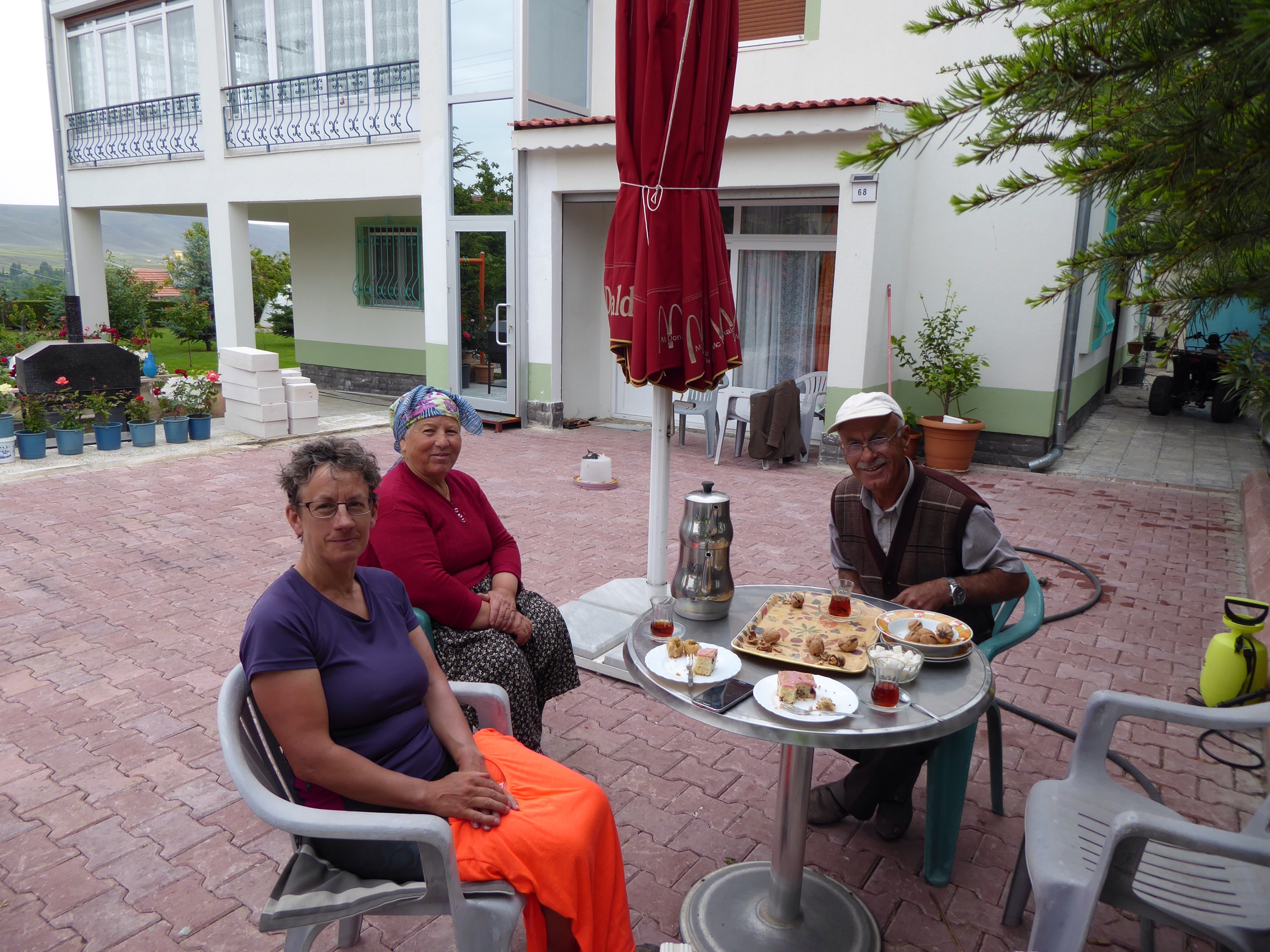
The next village, Kullu, was down by the Red River and we hoped may be able to find provisions for a picnic. As we entered the village, we asked a man if there was a shop. He waved his hands onwards but said come in for tea. One of the rules of travelling is (almost) always to accept offers of hospitality, so we we wheeled our bikes into his courtyard and experienced the delightful charming hospitality of rural Turkey. He and his wife plied us with endless cups of tea, slices of cake, baclava and walnuts.

  
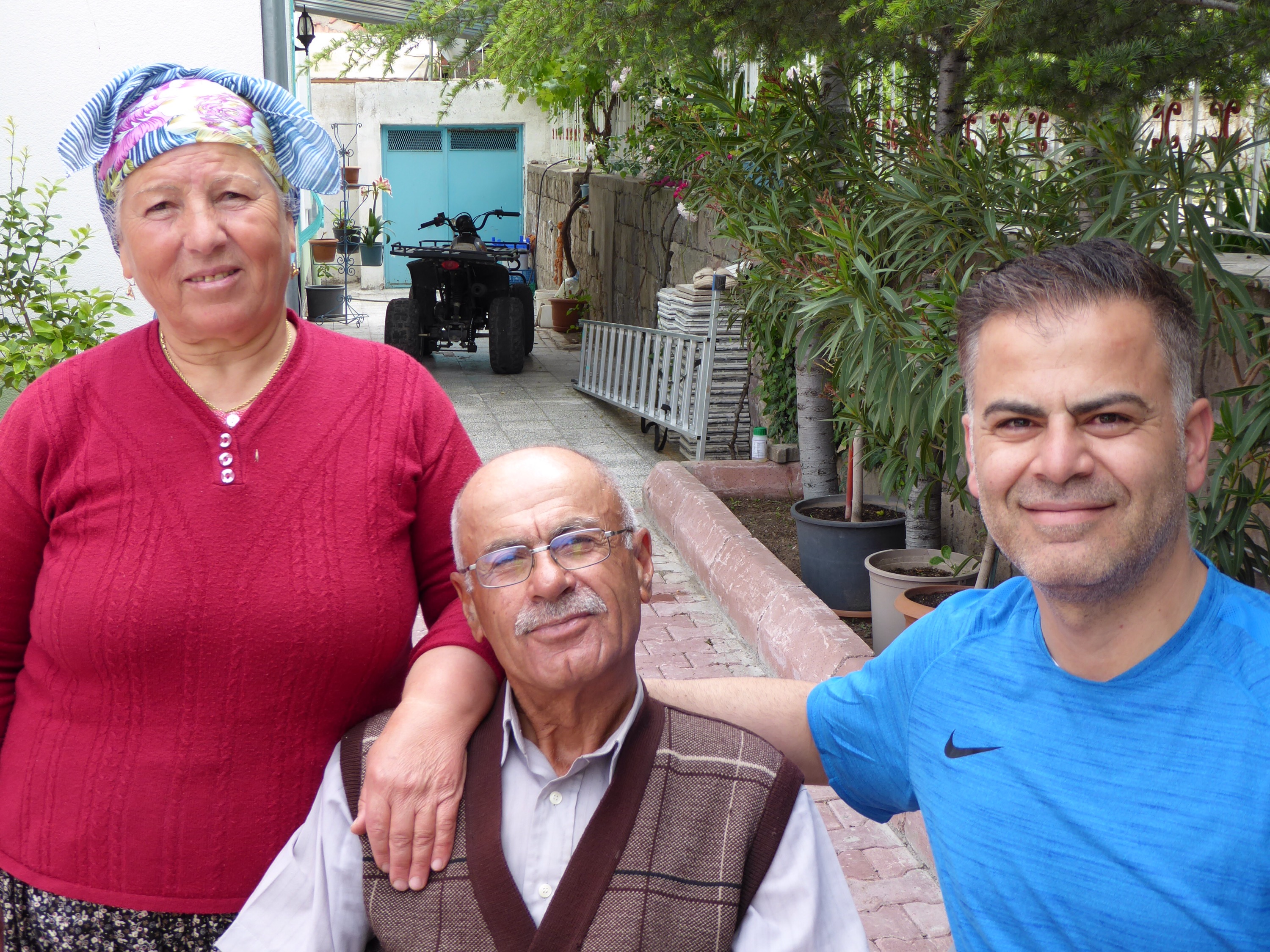
 They had worked in Germany for about 25 years and retired back to Turkey and had a lovely house and garden. Five of their children – all sons (something that clearly gave him great pride) were working and settled in Germany. After about half an hour, his son Uryan arrived. He was visiting his parents on holiday and may have purchased a house in the village. He certainly felt part of the village community, despite driving a tram in Basel for a living.
   
 
Uryan could speak reasonably good English (up to then conversation had stretched David’s German to its limit). We were offered to stay as long as we liked but we had only done 35km and had a way to get to Kayseri so we reluctantly tore ourselves away to continue on. We hope they will see our blog and photos and understand our genuine gratitude.

  
It was about another 15km on the lovely quiet road before hitting the main road and an easy ride on the hard shoulder of the “Autobhan”, as our new friend had described it, to the outskirts of the major city of Kayseri. 

Kayseri is a city of over a million people and the suburbs went on for miles so it seemed to take forever to eventually reach the old city centre – a cluster of 13C buildings surrounded by the busy modern city. By the time we arrived there we both rather dusty and not in the mood for sightseeing and there wasn’t anywhere safe to leave our bikes and luggage. So we settled on having a cold drink in a cafe before setting off to find our warmshowers host for the night on the other side of the city. When we were sitting there a young woman from the next table approached us and asked if she could speak to us in English so we had a 10 minute conversation with her with her mother (who spoke no English) looking proudly on. It must have taken her lots of courage to ask if she could approach us to practice her English for a few minutes but she did and all credit to her. She was a shy but determined recently graduated biochemist, back in her home city and looking for a job. The challenges of succeeding in getting a degree and then having to start all over again in the world of work seemed so familiar from back home. We chatted, shared experiences and then wished her well as set off on another dual carriageway towards the Eastern suburbs. 
We then weaved our way through further urban areas for 7km to the college where Aziz worked. He was busy with the college children so we settled down to read until we met up and followed him back to his flat which he shared with his girlfriend Ece, dog Tesla, various cats and a litter of 3 kittens. Aziz and Ece are both astrophysicists doing masters degrees (Ece on black holes and Aziz on examining far away galaxies). Ece cooked a lovely meal – such a treat to have home cooked food – and we had a an enjoyable evening of conversation. Overall a day of average cycling but the very best in Turkish hospitality.


Day 16: Goreme, horses, churches and valley views.

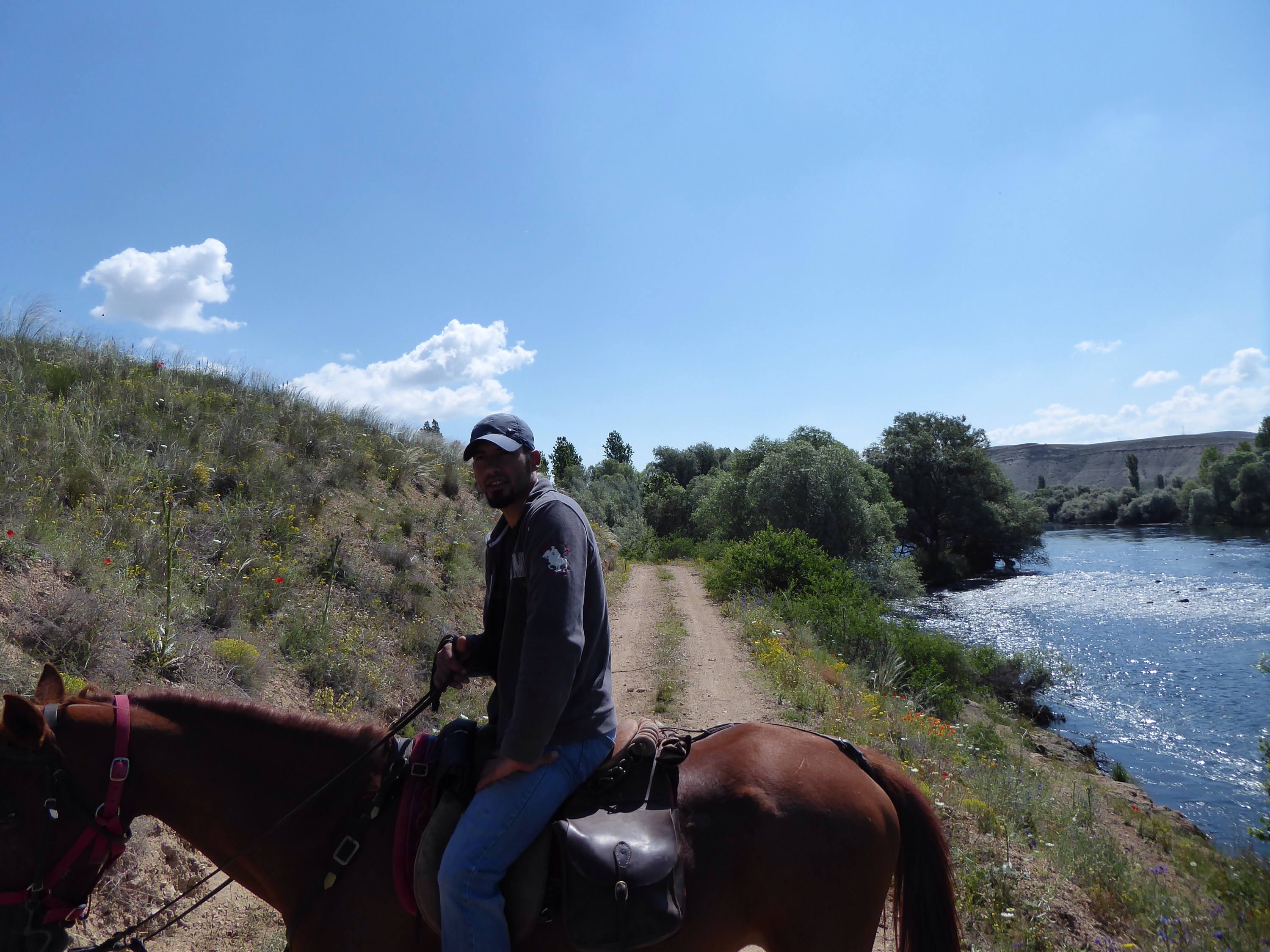
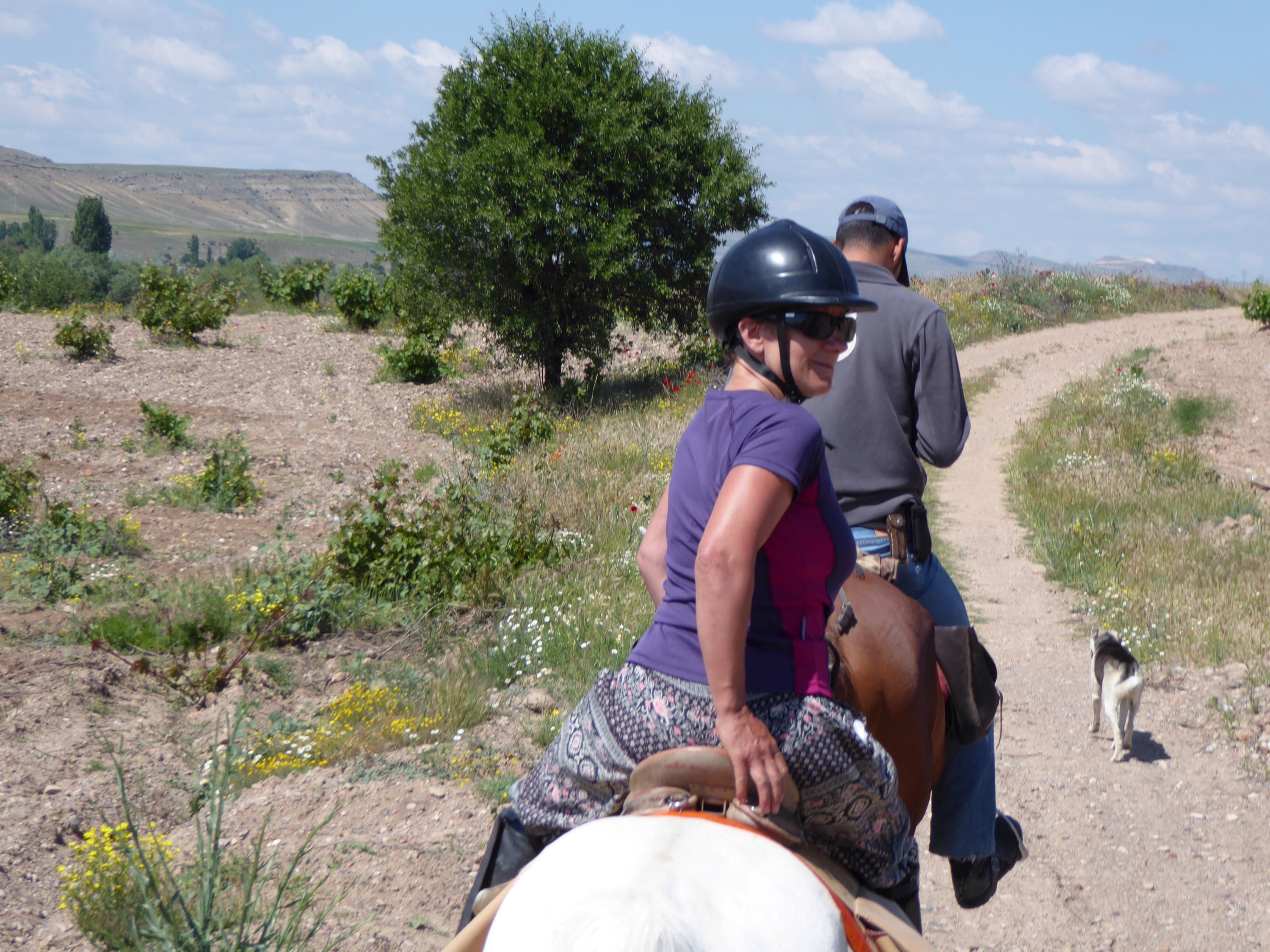
Today was a day off the bikes so the blog will be brief. We started the day riding in a different way – on horses. The word “Cappadocia” means “land of beautiful horses” in Persian, and hence it seemed an appropriate place to trade 2 wheels for 4 legs.

For those who think riding a horse must be much like riding a bike, let me assure you they are totally different riding experiences for 3 reasons. First, the good bit. There are no pedals to turn when riding a horse and the horse puts in most of the effort (although 3 hours in this type of saddle still left us exhausted). Secondly, the more dubious part. Horses have a mind of their own which is independent of the rider and the horse makes its own decisions whether to respond to commands – which bikes do not (even though it sometimes seems that way). Thirdly, the scary part. Horses are much bigger than bicycles, much scarier when they start to move at anything other than walking speed and there is far more potential to do serious harm to one’s self (or so it seems perched on top of the animal).


But despite these potential drawbacks, our mounts were placid and mostly well behaved. We really enjoyed our ride over the hills above the town of Avenos. Our guide was the multi-lingual Enda, who also had an encyclopaedic knowledge of local bids, flowers and trees. We saw lizards, a hare, all manner of birds and some fantastic views. It was a real change and might just be something we want to repeat back home.


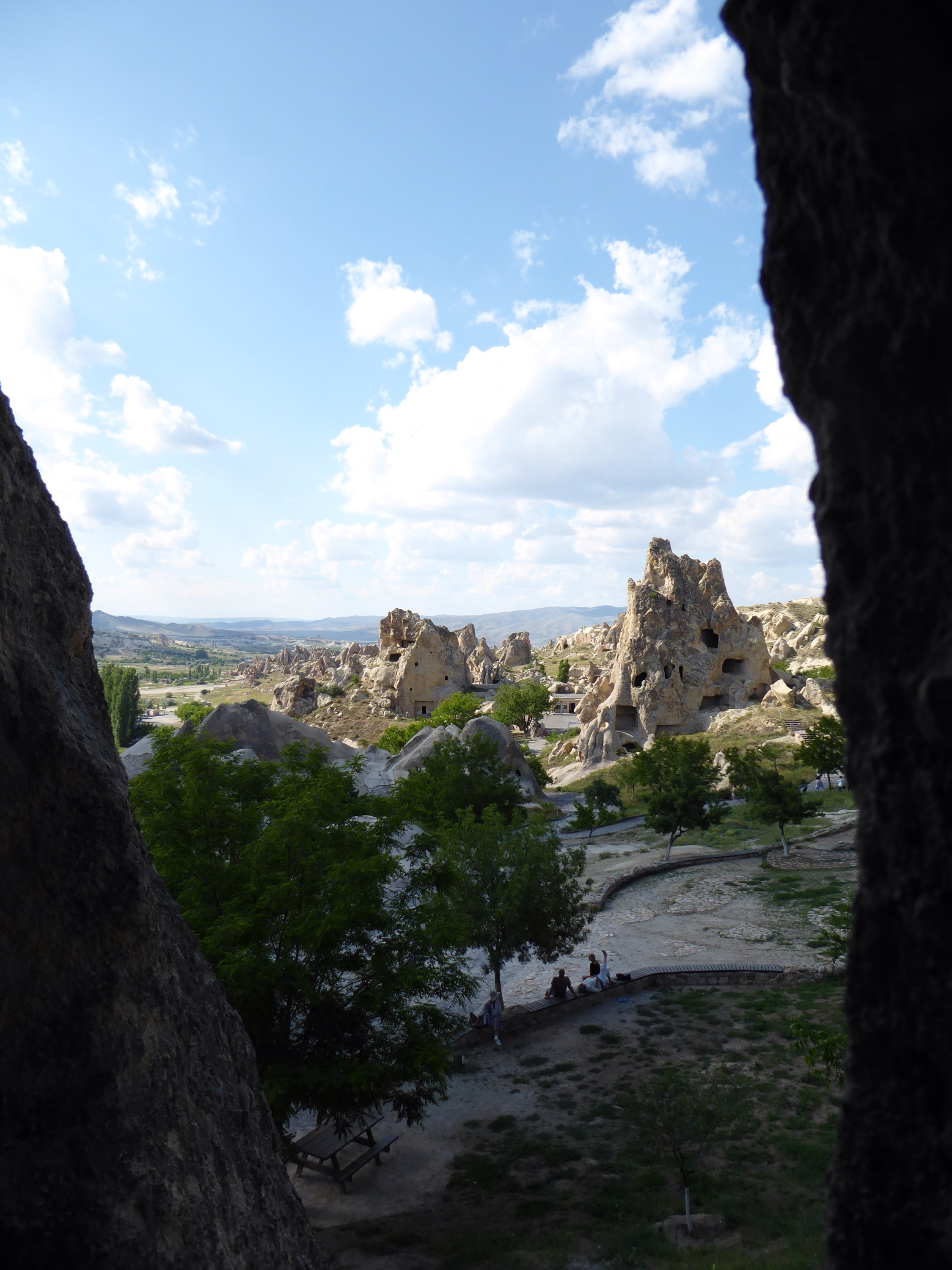
 In the late afternoon sun we went to the Goreme Museum, which is an area outside the village of rock churches and monastic settlements. These were similar to other Cappadocian monastic ruins but were excellently presented with good signage. Some of the frescos were amazing – telling the story of the passion and death of Jesus and his resurrection in pictures across the walls of these ancient churches. The frescos came from a time when few could read and religious ideas were communicated orally and by pictures on church walls. The dark church in particular was memorable – but apologies for the lack of pictures because these were not allowed.

  
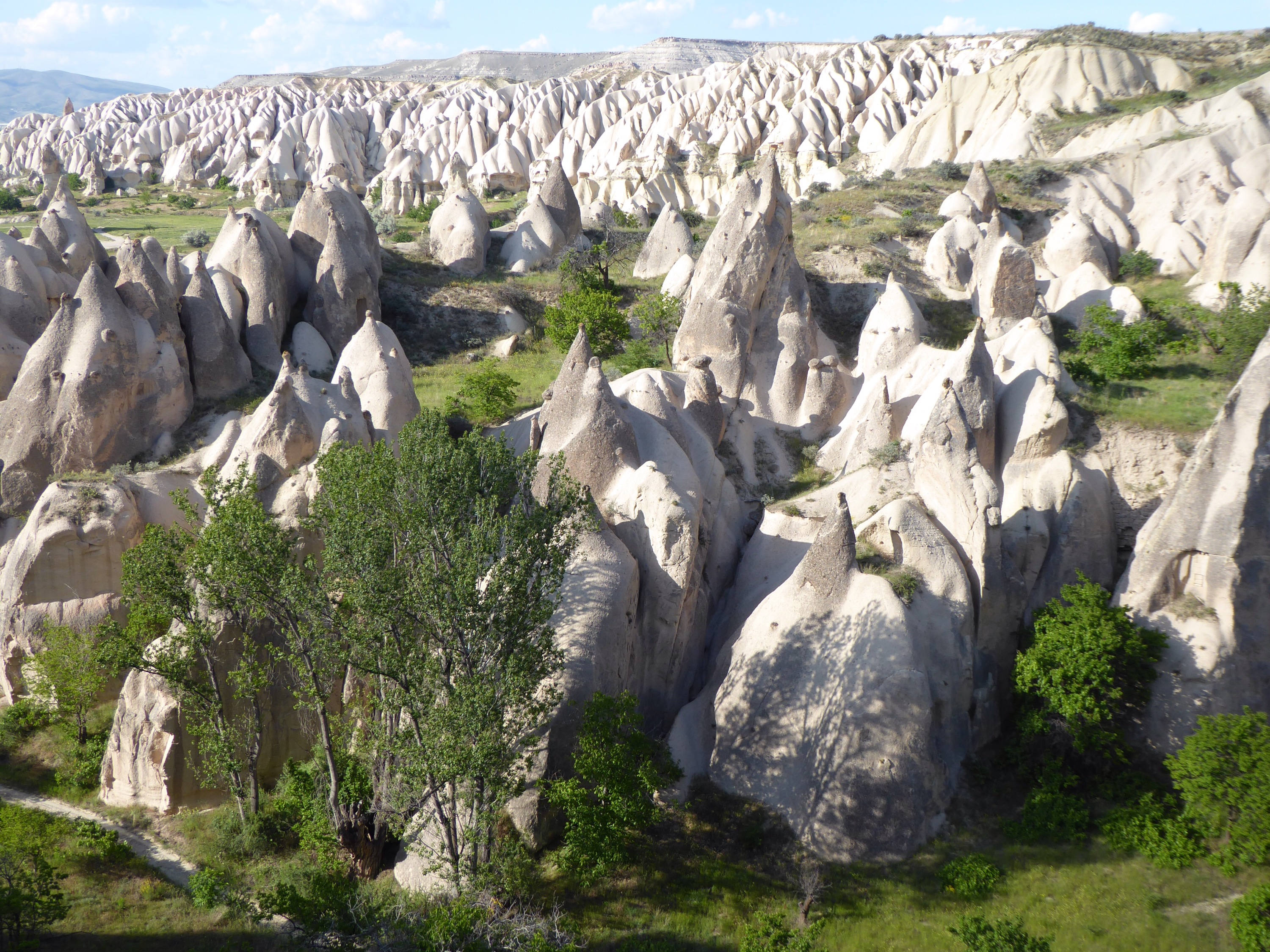
We then strolled through the Rose Valley and managed to avoid slipping down any crevasse type formations in the rock as we took pictures. There is a reason that some photographers never make it back from these rock formations and we were determined not to join them by slipping as we searched for the perfect angle for a photo. So the photos may not be great but we live to snap again.

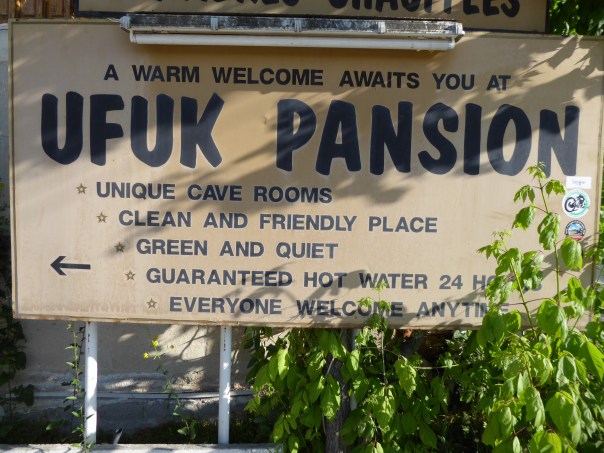
On the way back we came across the sign to this pansion – not where we were staying but it seemed to promise more than the usual accommodation.

image
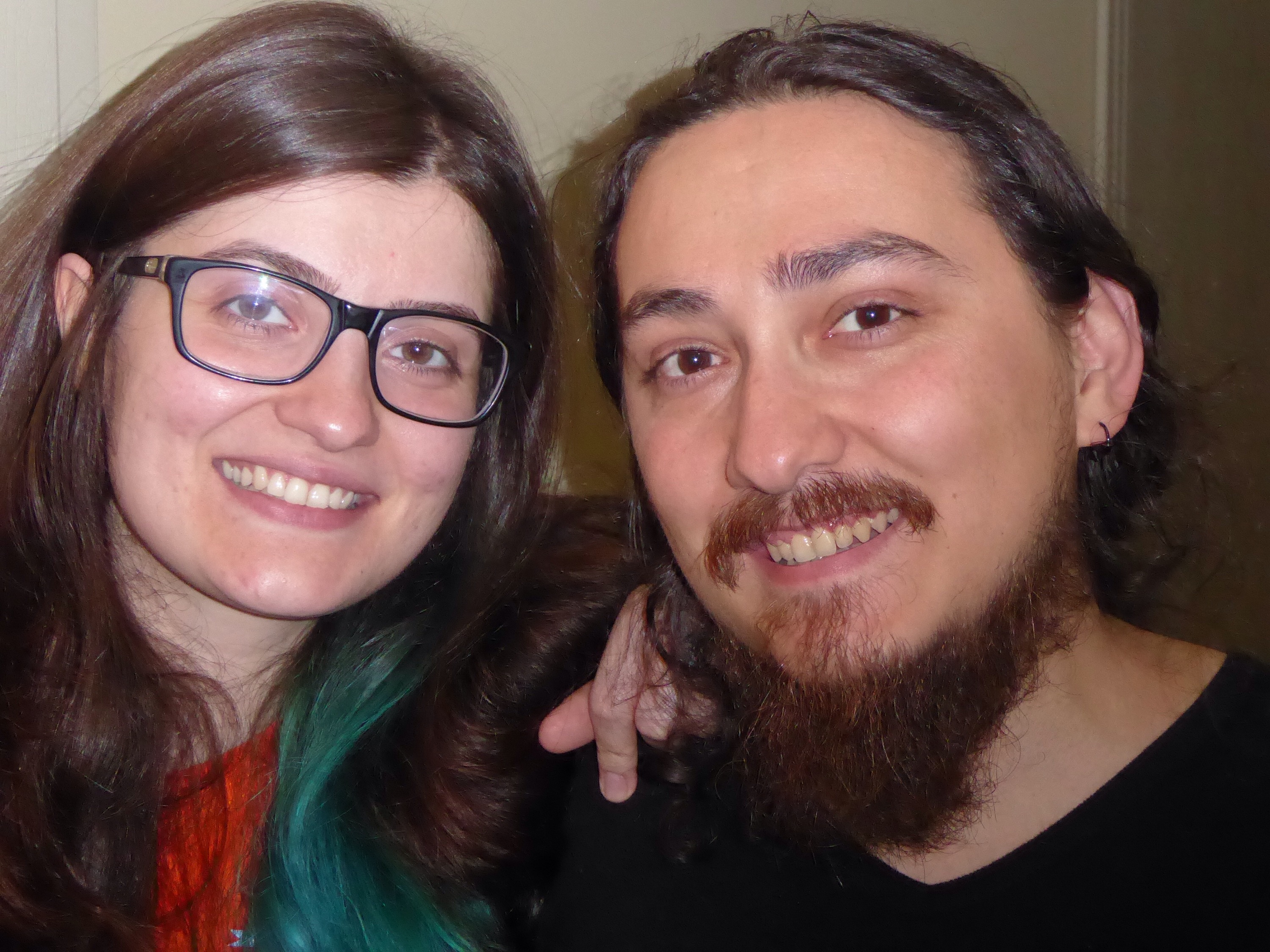
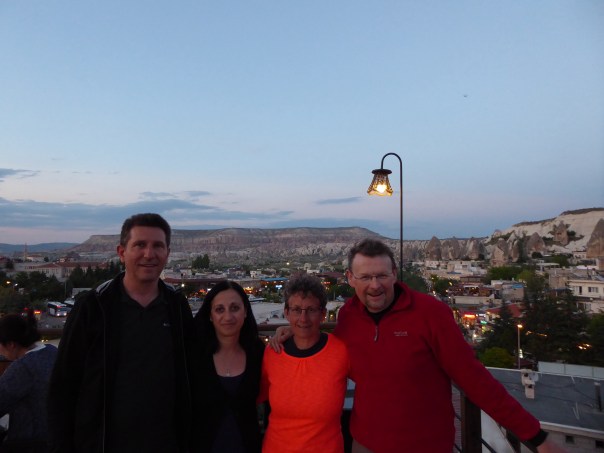
In the evening we met and had dinner with a lovely Turkish/Australian family from Melbourne. Umit, Nihal and their boys live in Australia but originate from Turkish Northern Cyprus and all speak fluent Turkish.

image

They were funny, informed and excellent company. We hope to see them (or any of them) if they make it to London.

Day 15. Guzeloz to Goreme. 46km. 650m climbing (5762km to date).

I woke to cacophonous birdsong – or at least that how it sounded at dawn- which is pretty early at this time of year. Preferential though to the drumming of rain. All was quiet on that front and we were cozy and dry. When the birds finally drove me out of my sleeping bag, it was damp outside but dry. There must be something about our choice of campsites but again as we were finishing our packing up routine a large herd of cows was being driven up the track. This time they were meandering slowly and several took to sniffing our bikes. Having been taught to keep cattle at a healthy distance I was particularly anxious when the bull decided to take a look at our camping spot and was pawing the ground where we had been cooking but the small boys driving the herd didn’t seem concerned and and eventually they all moved on without incident.

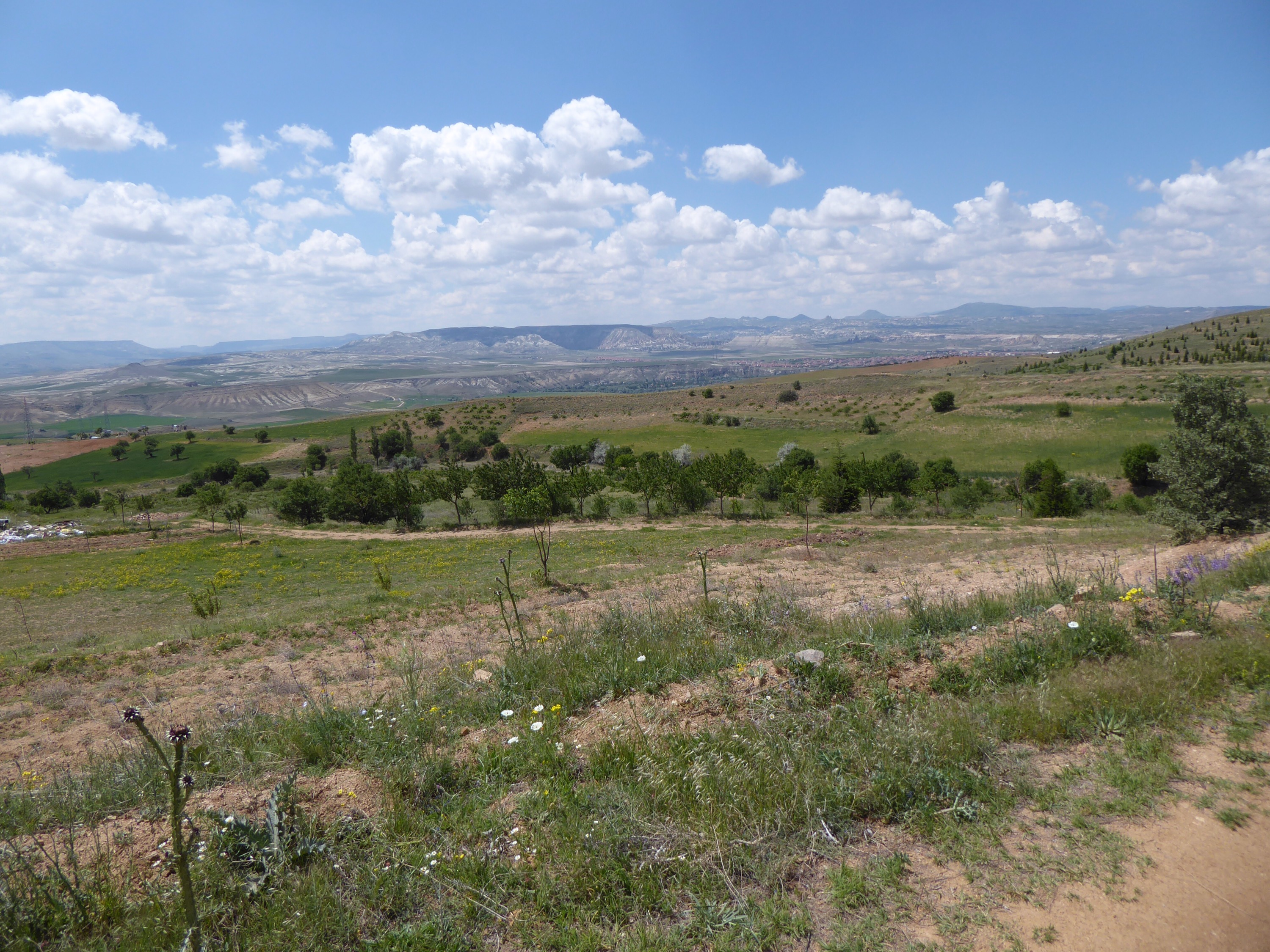
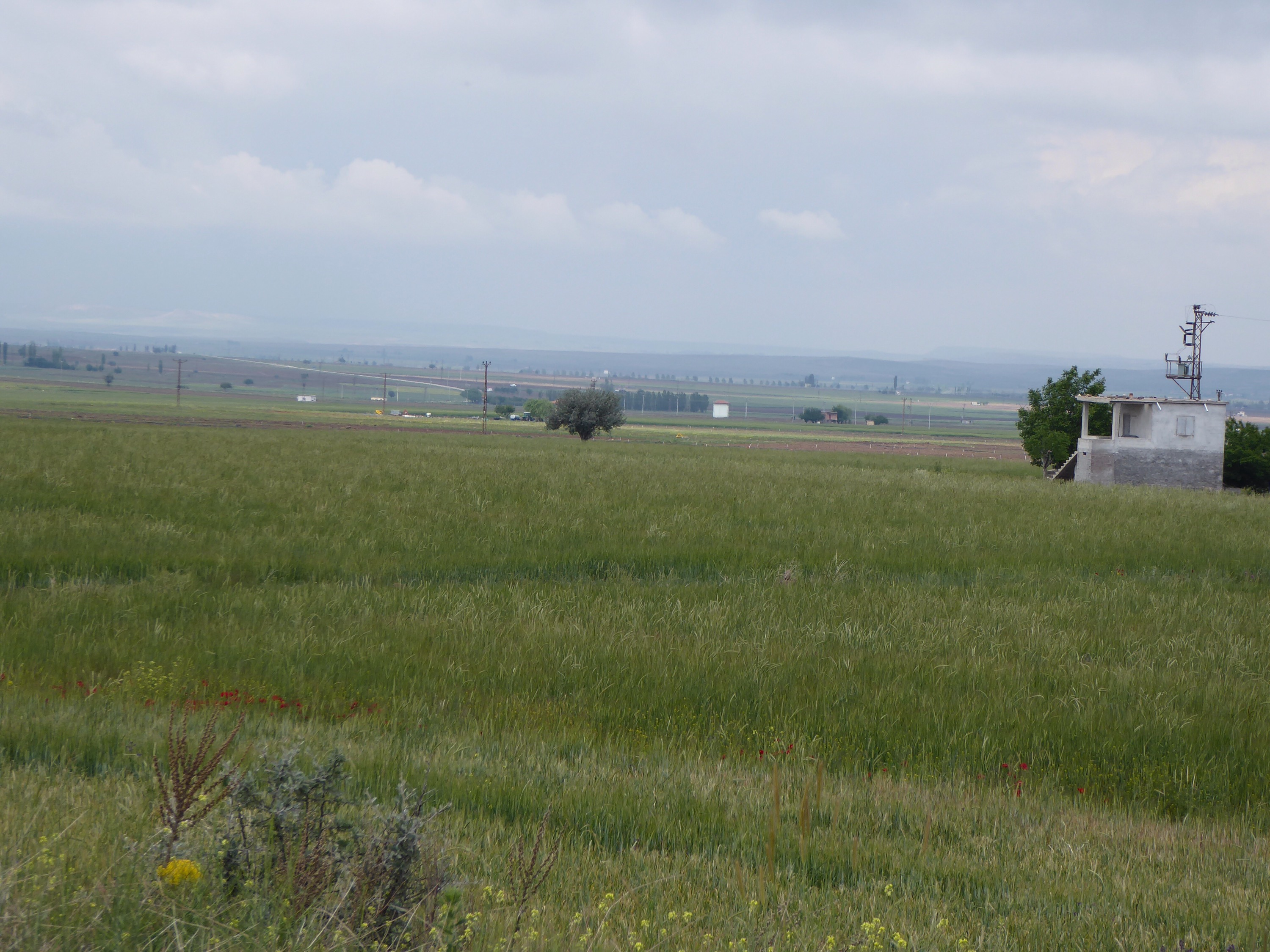
There was a sharp bottom gear climb out of the gorge at Guzeloz and back up the the plain. When the ground levelled out at about 1600m it was desolate and windswept and only 8C! We layered up again and cycled across the strangely beautiful landscape without seeing a single car. 


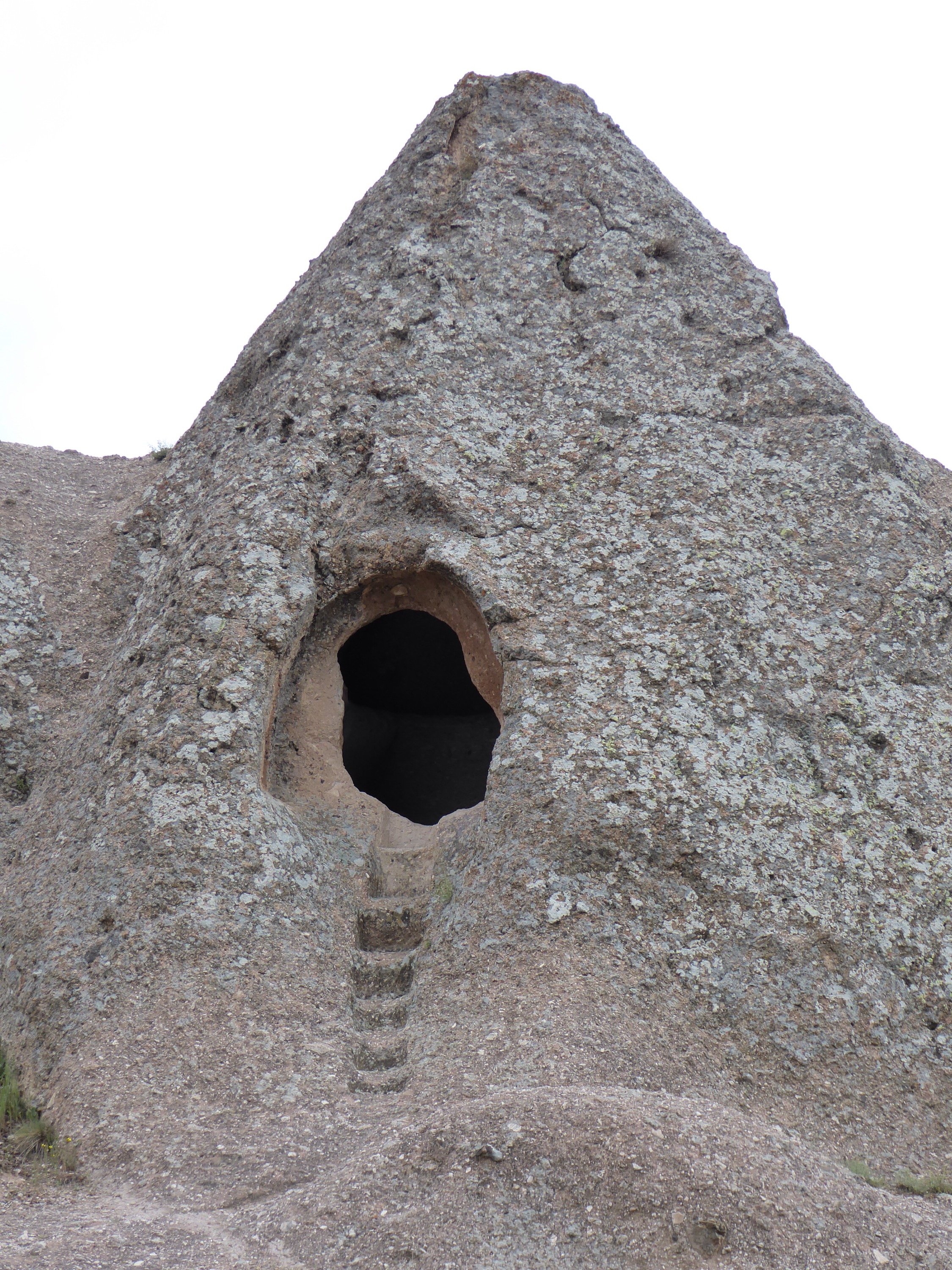
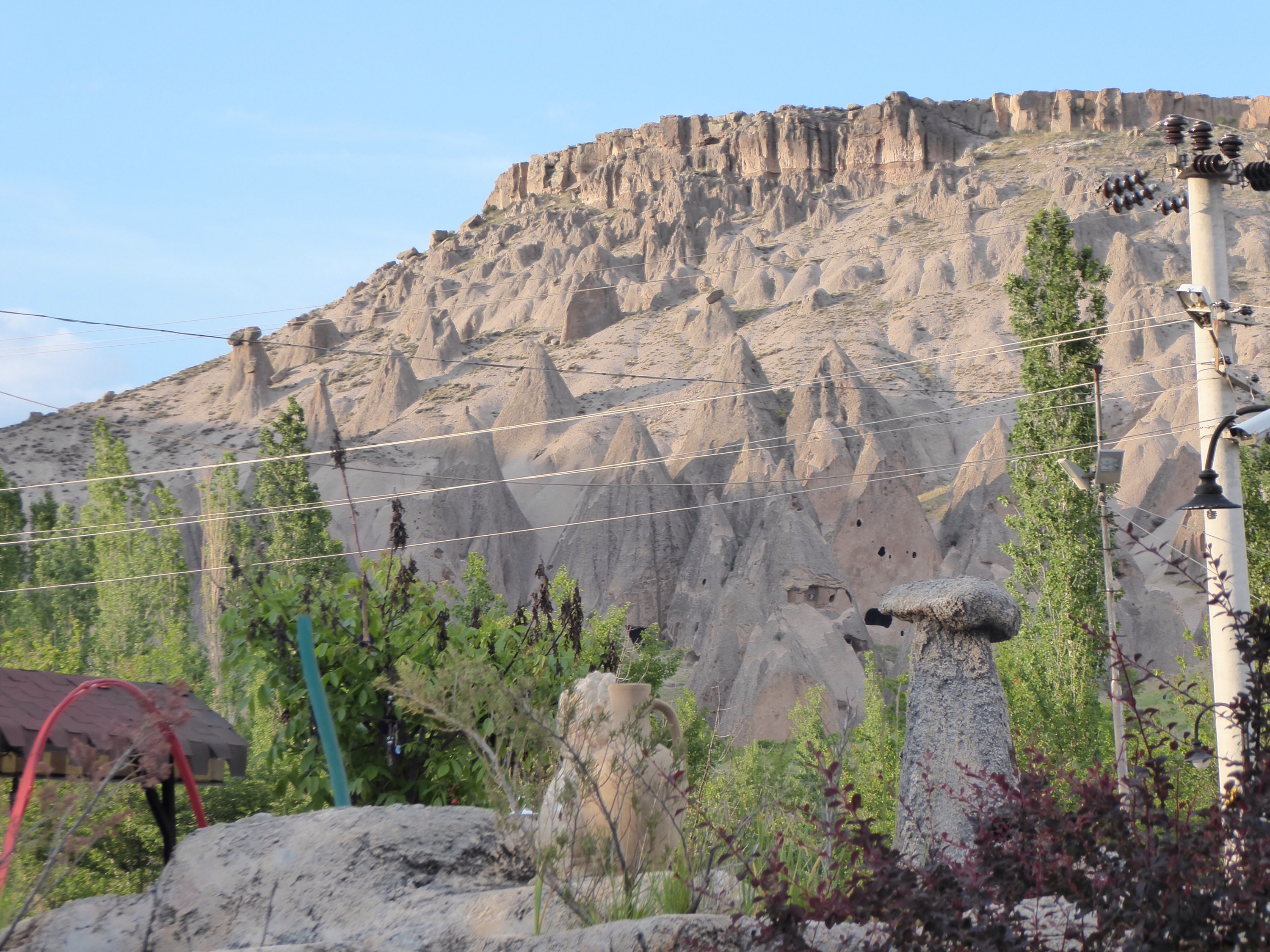
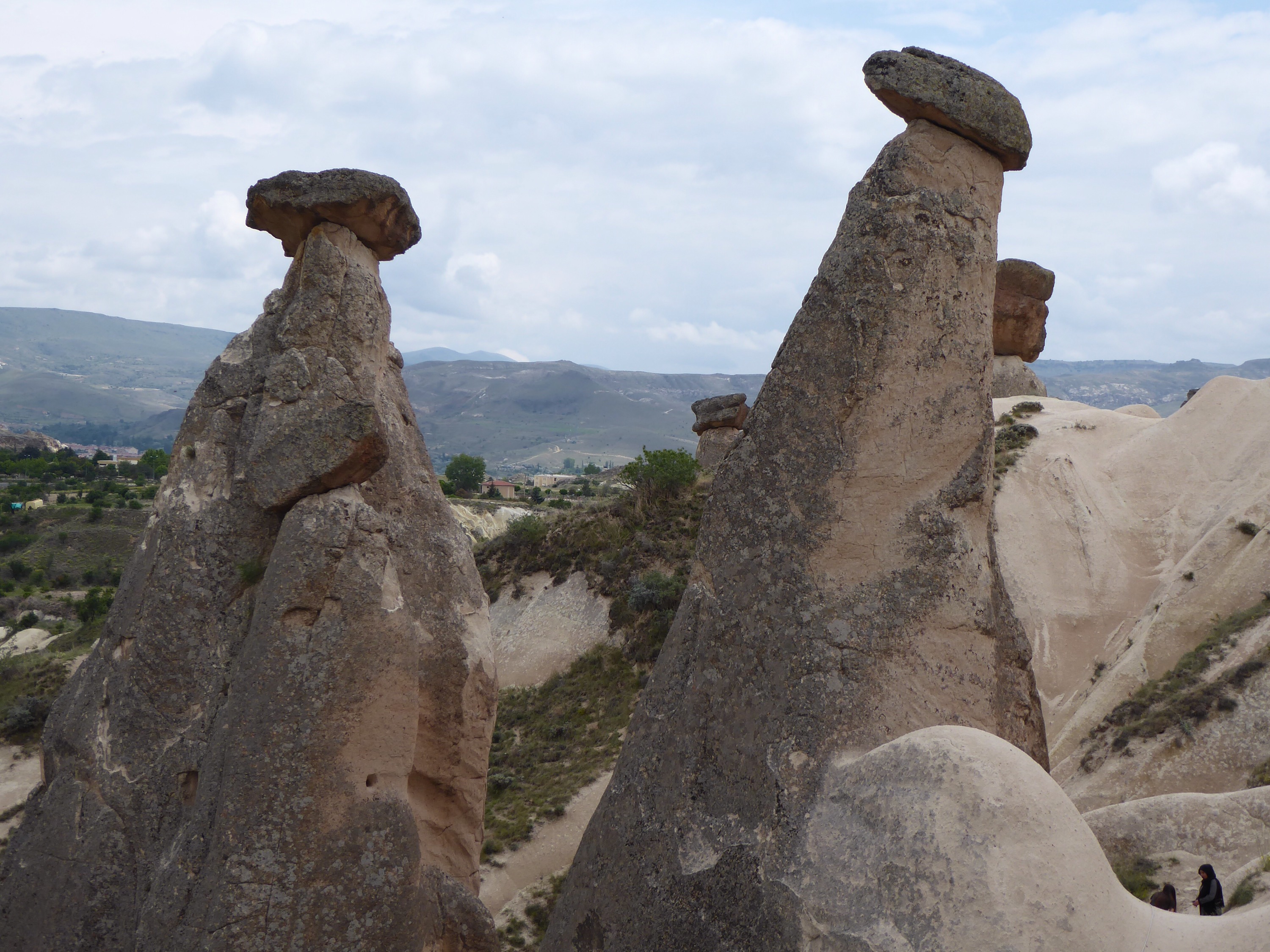
We dropped steepy off the plain again down another gorge into a fertile valley with cones of rock typical of the cappadocian landscape where layers of compressed volcanic ash from milennia ago had eroded leaving wierd and wonderful shapes. 


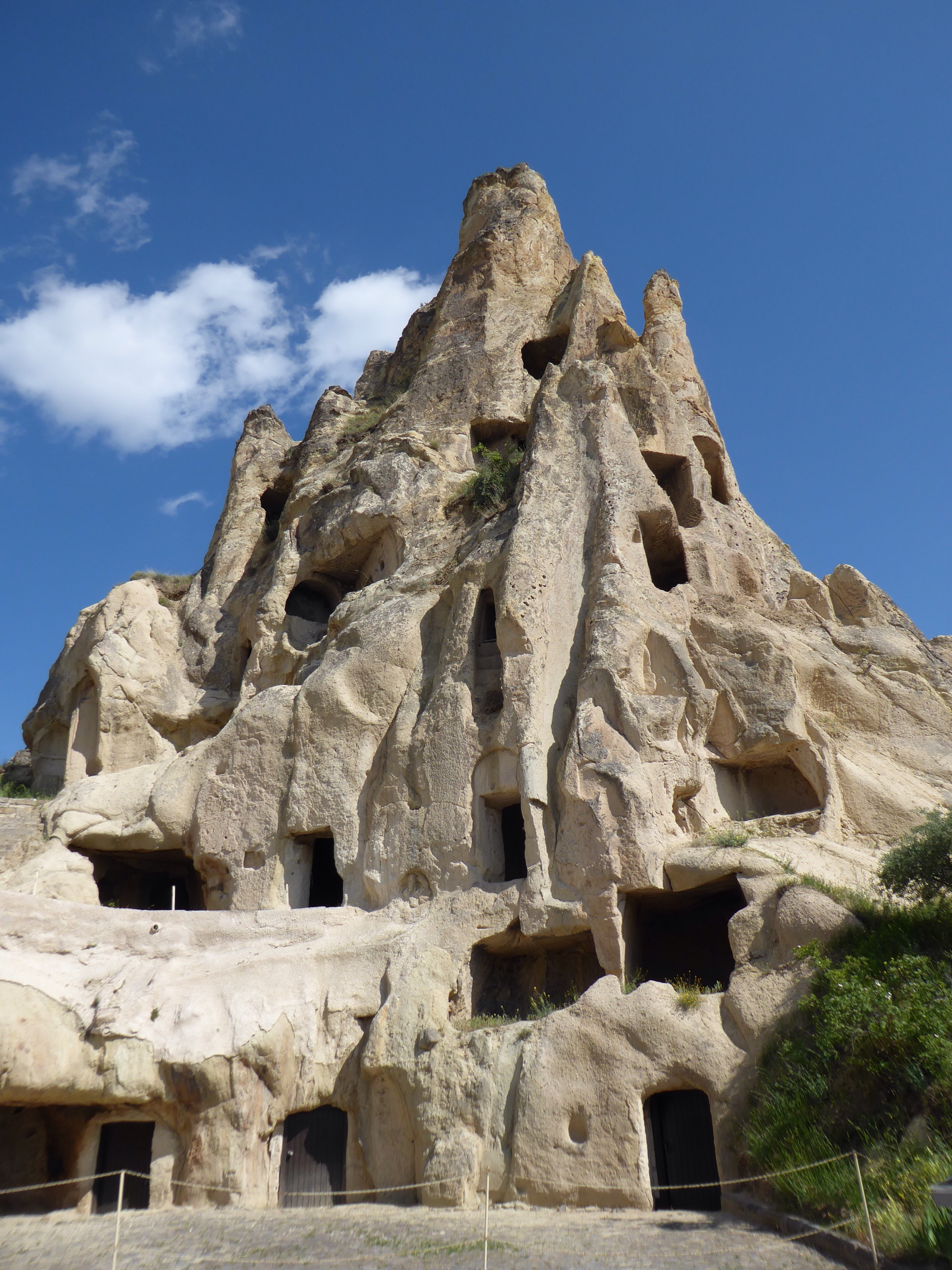
We stopped at site of Keslick Monastery, another C9th to C11 rock cut monastery complex. 250 monks had lived with most of the them housed in rooms carved out of the conical rocks. As we tend to get going early when we camp, the site caretaker was just getting his tea brewing when we arrived. It was a delightful peaceful site. The rock churches and carved rooms were again amazing but also around the ancient structures were beautifully tended vegetable plots, ringed by flowers. Much I guess as it would have been when in use. The caretaker proudly told us that this was his garden and sat us down and gave us tea after we had had a good poke round the site.
  

The next section to Urgup was meant to me a gentle down hill but was interspersed with sharp little – or not so little – undulating climbs which are energy sapping. Urgup is the first main tourist centre in Cappadocia and we were suddenly surrounded by cars, having hardly seen one all morning on the minor road we had been on. We stopped for a welcome cup of extortionate tourist coffee and particularly delicious chocolate croissant when we perused booking.com for a place to stay in Goreme, our destination for the day. Or at least I should say I irritated David while I insisted on looking at about 20 hotels on the website (before booking the first one) whereas David would probably have just booked the first one on the grounds it seemed fine!
Another very steep climb out of the village but this time with numerous tourist onlookers – some taking photos of us. It is difficult to try and look cool when you can hardly push the pedals round (as if we warrived every day. We were shown where to hang our gear – changed into dry clothes and had tea and something to eat. It occurred to both of us that we would have made it to the town in the dry if we had not had the puncture. But then again, the rain may have come earlier!ould ever look cool anyway!). A few km further on to the turn off to Goreme and a steep descent that quickly turned to irregular cobbles. It was treacherous riding and we had to get off the wheel the bikes down the last stretch then a final section of bone rattling cobbles into the village.
After a few wrong turns we found the Melek Cave Hotel. I like to think my booking.com perusal was well worth it (although it was the first hotels I looked at) as it was a delightful hotel with, as the name suggests, rooms cut into the hillside as of old. I think we have the prime cave room because we are also the only guests. Every second building in Goreme is a hotel so competition must be high at the best of times but, as with everywhere we have been, tourism in Turkey has been hit very hard by politics with numbers well down.
We spent the rest of the day chilling out. A stroll round town took about 15 minutes at a stretch so we spent the rest of the time relaxing at the hotel and even dug out the travel scrabble (game abandoned due to ever decreasing places to make words and overwhelming hunger requiring dinner – but I will just record for the record that I was winning at the time). David accepts this but points out that if the game is unfinished, there is no record – which may right but who would marry a lawyer.

Day 14: Selime to Guzeloz: 79km and 800m of climbing (5716km to date)

(David writing this) Today was a mixed blessing – a sort of getting from A to B day across some fairly boring landscapes, but with a spectacular place to explore in the middle.

 
We started with a puncture on one of my trailer tyres. Only the second so far but the 20 minutes it took to change the tyre had damp consequences later. We started with a fairly tough climb and then descended across a very open landscape. This is not how Cappadocia is marketed but is fertile land between the tourist hot spots. We could tell we were in    country by the number and quality of the coaches – both high!

  
Then we started climbing again across a fairly uninspiring plain, although there were some lovely wild flowers, Someone had built a massive thermal holiday complex just off the main road, but there was no sign of traffic going to this enormous complex. All the signs of a white elephant, probably funded through tax breaks.  

  
We had 53km to cover to get to Derinkuyu but, about 7km from arriving, the heavens opened and it rained and then hailed with massive hailstones that hurt our faces. We togged up but the road was instantly wet and the passing coaches (of which there were many) sent spray water all over us. We arrived at the town wet through, looking like drowned rats and feeling a tad cold. The Turks in the restaurant did not bat an eyelid and you would have thought dripping cyclists  arrived every day. We were shown where to hang our gear – changed into dry clothes and had tea and something to eat. It occurred to both of us that we would have made it to the town in the dry if we had not had the puncture. But then again, the rain may have come earlier!


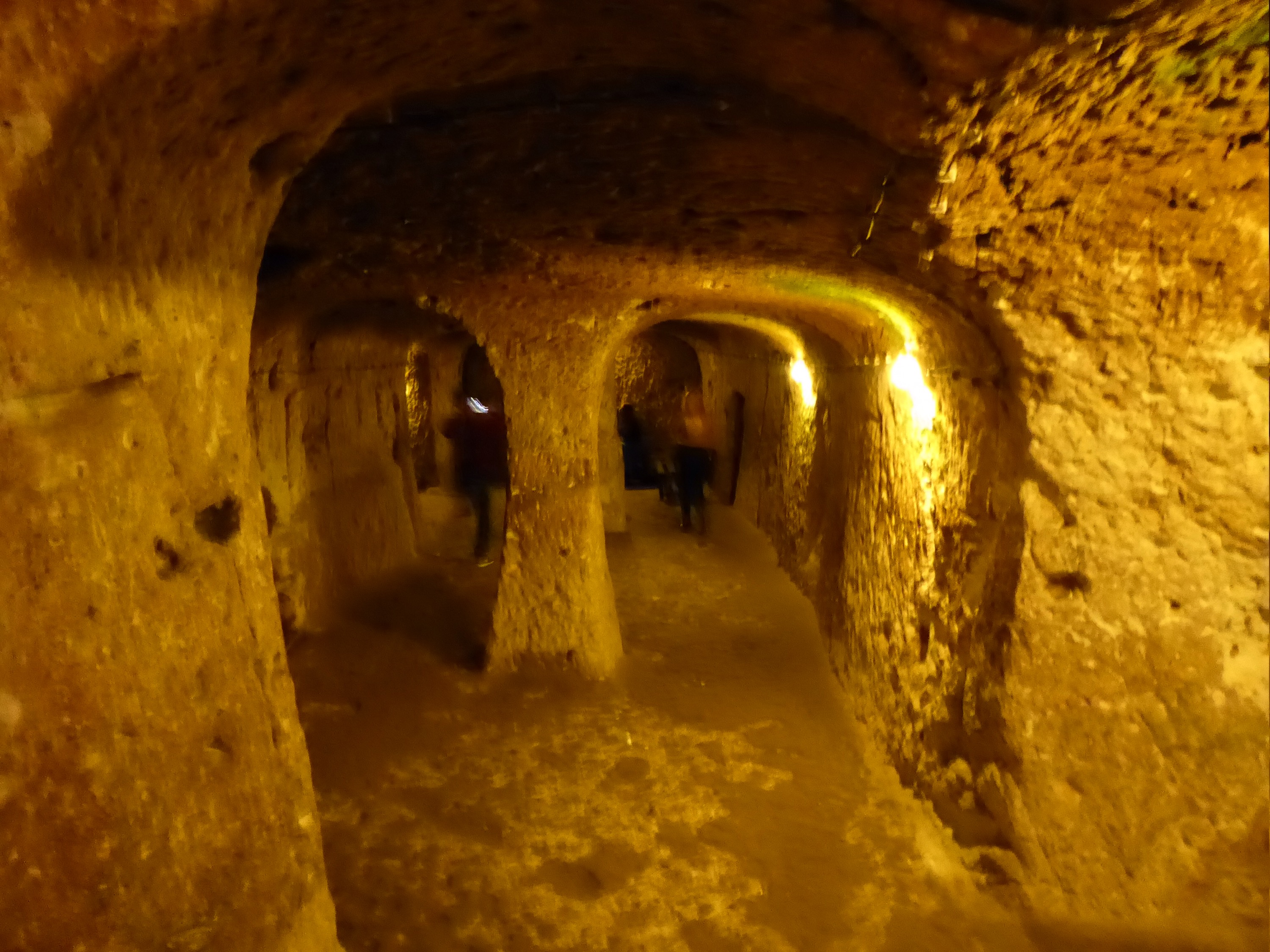
Derinkuyu’s claim to fame is that it has the largest underground city in Cappadocia – the largest of maybe 40 such cities. They were developed in the C9th to C11th and provided protection for locals – mainly Christians against invading armies for months at a time. There was room in this one for 10,000 people to live underground!

  
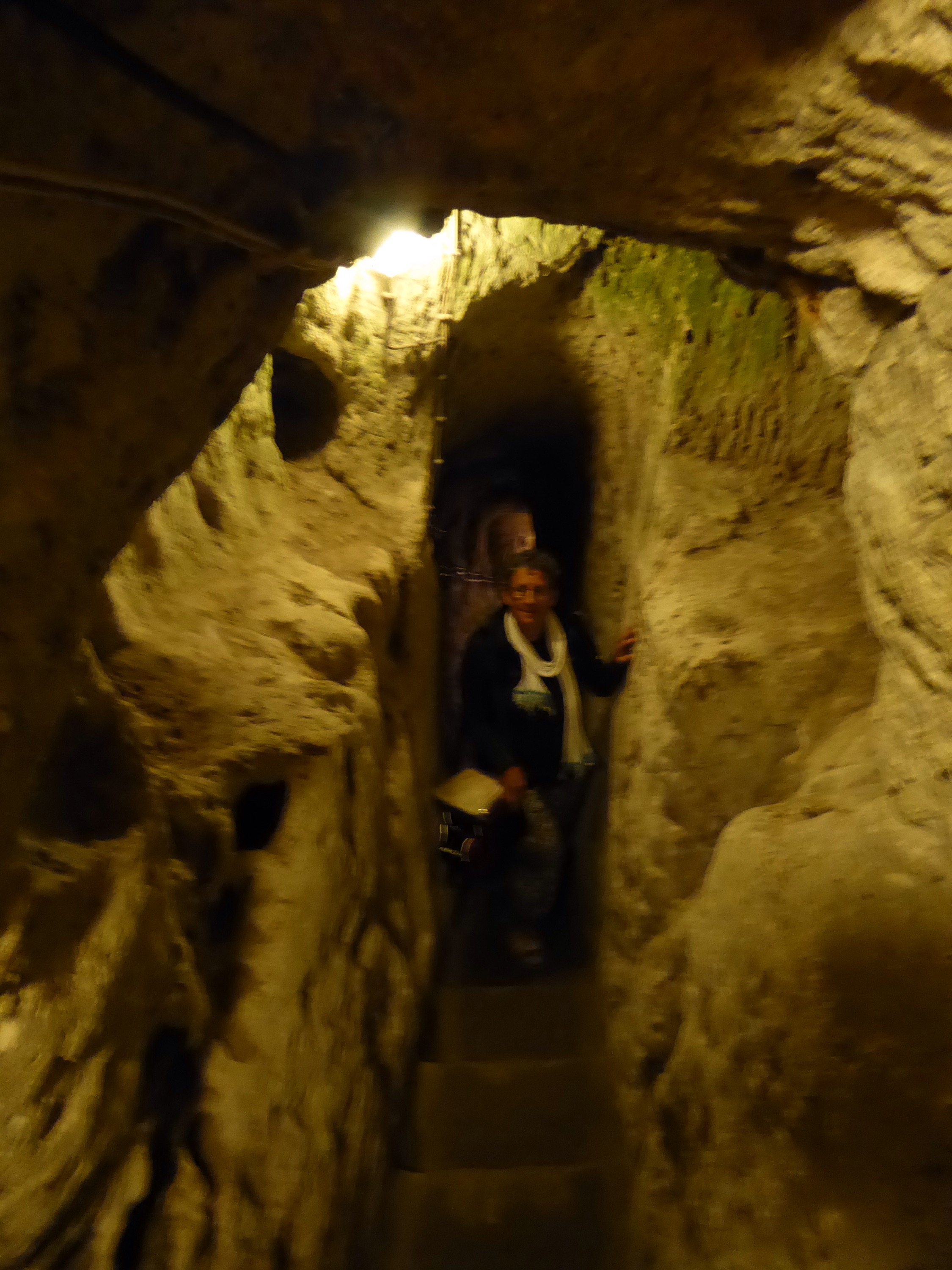
Only a small part is open to the public and our experience was influenced (in a positive way) by a large party of school children who were marginally ahead of us. They made a great deal of noise and took in the experience for all it was worth. The tunnels and staircases are tiny and steep, and the public part goes down 7 stories – so not for the claustrophobic. 

   
  At one point we were trying to get back up a staircase and realised that there was only 1 way for both up and down, and as long as people kept descending there was never space for anyone to ascend! After 10 minutes there was a critical mass of ascendees who gently forced those trying to descend to wait or reverse whilst they escaped. It all brought home to us what a fantastic defensive achievement this was. The marauding mongols must have been mystified and frustrated.
There were – so it was reported – tunnels going many miles underground to allow people to escape and refuel those underground. The sheer level of engineering involved was astonishing – with churches, grain stores and living quarters all buried hundreds of metres below the surface.

After that any climb seemed a doddle compared to the exertions of the early inhabitants of the valley. After leaving Derinkuyu we climbed another few hundred metres and went up and down towards the village of Guzeloz which was in a gorge. We found a camping spot just out of the village by the little river in a well protected spot. More rain was predicted so we struck camp, cooked quickly and then it tipped down just as we had finished. We are now cozied up in the tent with rain drumming down – always quite a nice feeling. Hopefully everything will remain dry, but we shall see. This is not a brief shower – but better weather is predicted for the next few days.


Day 13. Day off in the Ilhara Valley.

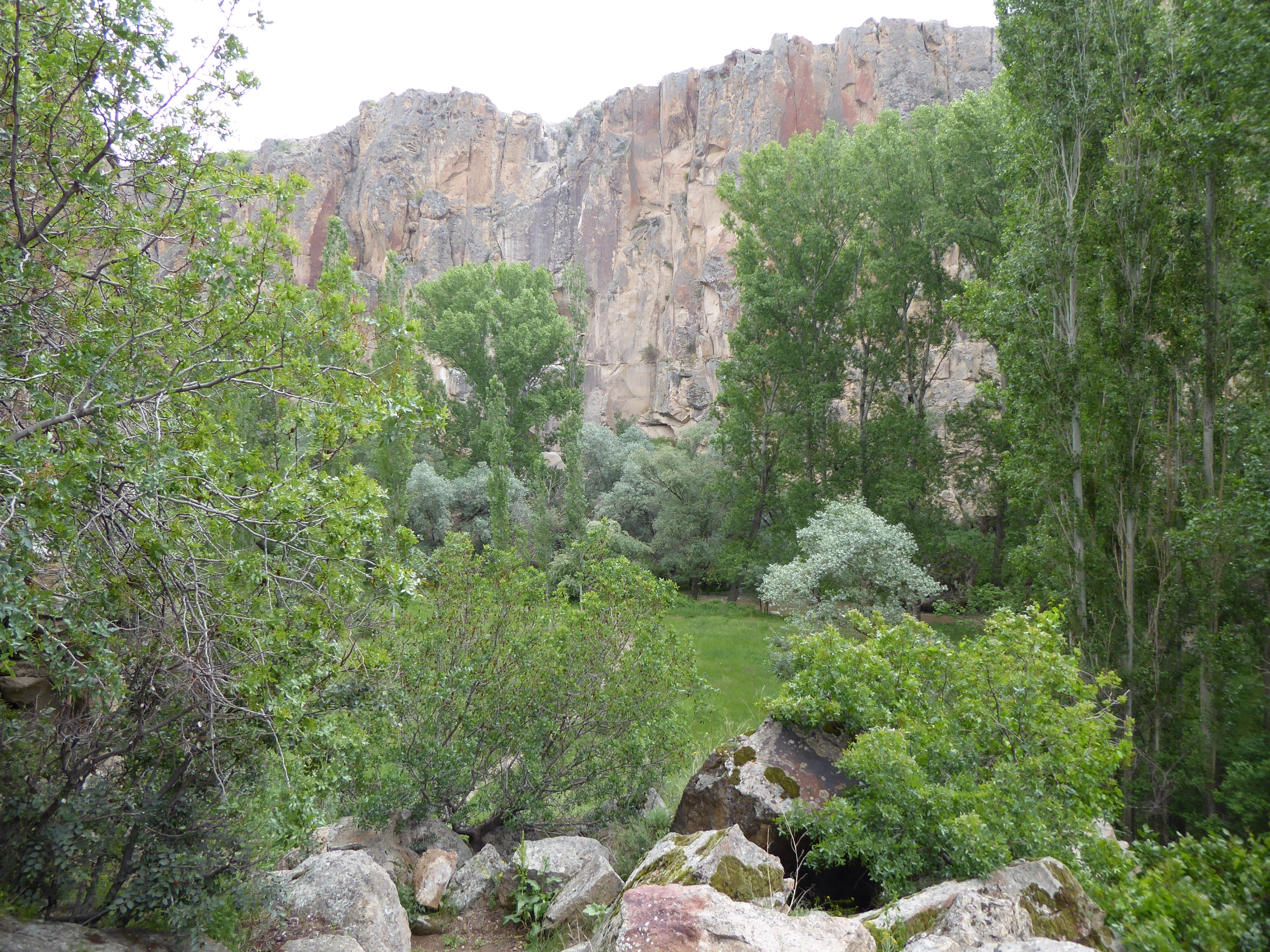
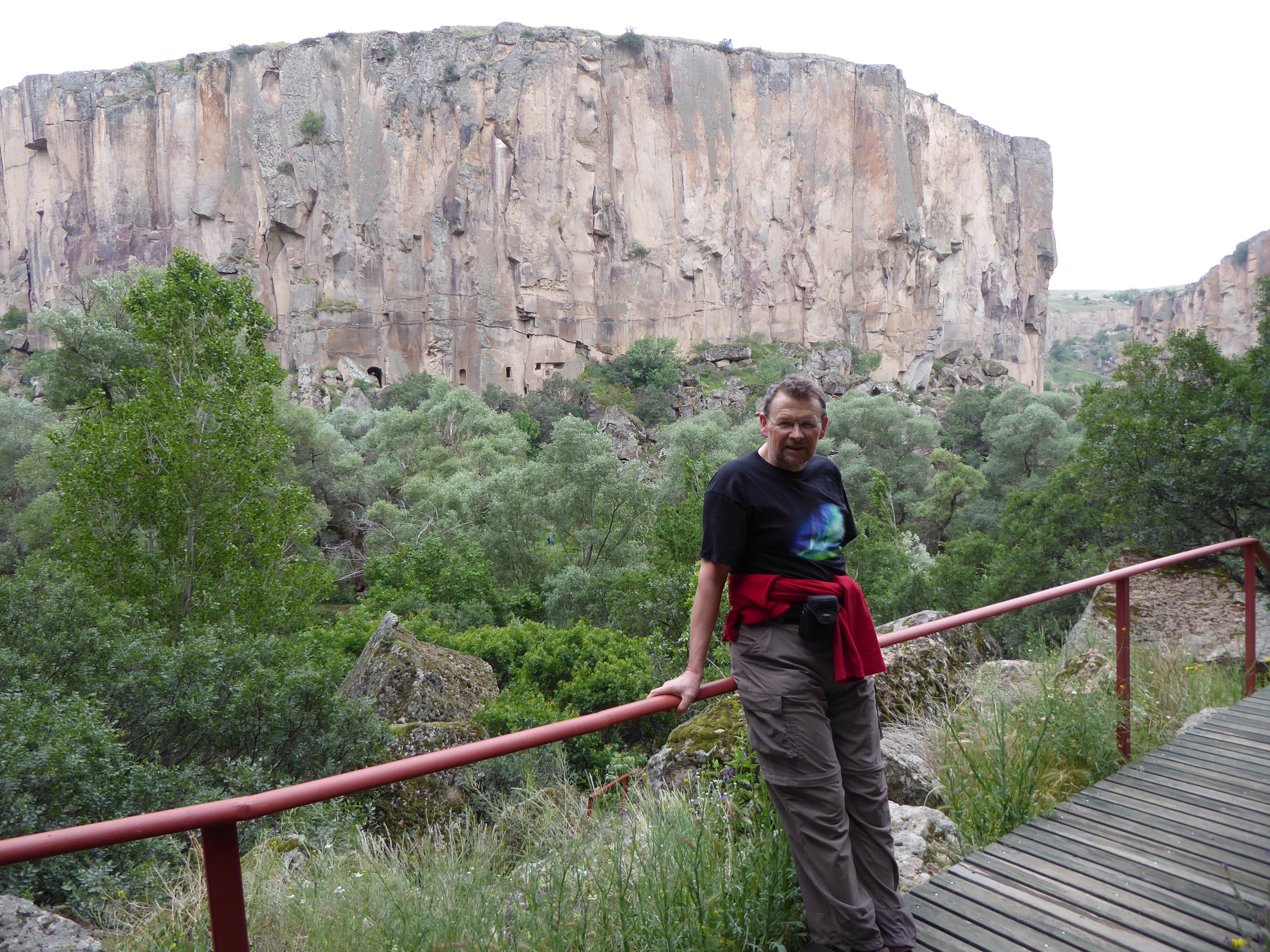
As luck would have it we had planned a day off in the Ilhara valley so this coincided with the opportunity for David to recuperate from his bug. The worst was over but he was still drained. We therefore planned a gentle 14km stroll along the Ilhara valley, a steep sided gorge, which was written up in the guidebook as the nicest walk in Turkey. I’ve not seen all of Turkey but the walk certainly leapt into one of my top 10 walks of all time both in terms of the environment and interest.
  
Selime, where we were staying was at one end of the gorge so we started the day with a taxi ride to the other end at Ilhara village where ticketed entry allows you down the steps into the gorge where a path runs alongside the river back to Selime. We arranged the taxi for 9.30 and got off in Turkish time by 10.15. There was no clear reason for the delay and we were repeatedly told “couple of minutes” because that is what we wanted to hear. C’est la vie – we were not in any hurry.

In this first section the gorge walls are steep sided and the bottom of the gorge seemed to be its own little ecosystem with the river lined with willows and silver birches and wild flowers including bushes of wild roses in abundance, The bird life was incredible and one of the overriding memories is of the birdsong echoing around. My birding ignorance is quite profound so I can’t identify for you what we saw and heard but we just enjoyed seeing all kinds of birds flitting around and listening to the magical birdsong. It was a rather damp and cloudy morning which made it feel all the more mystical. 


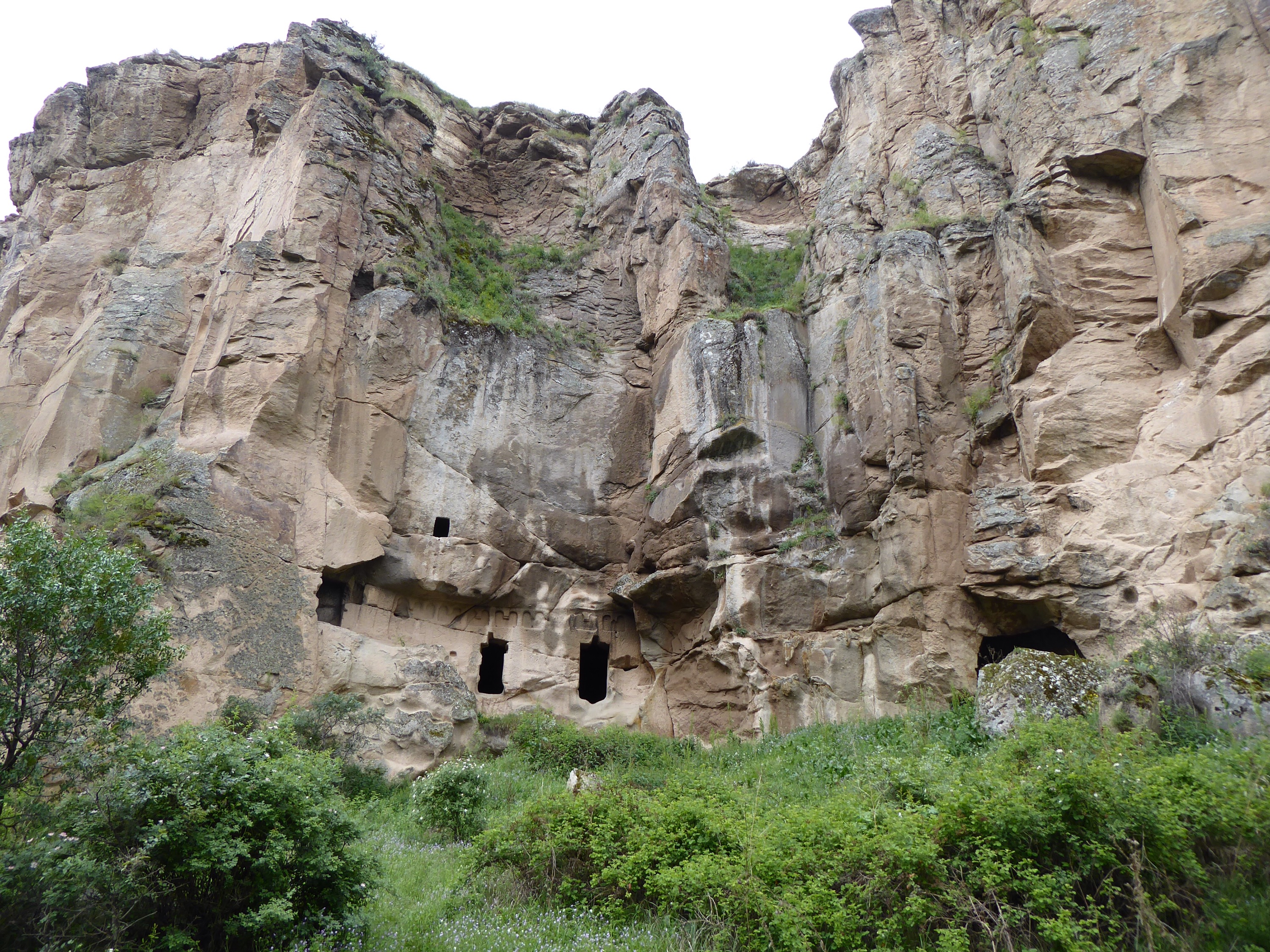
The walls of the gorge were dramatic enough but all the way along are rock hewn caves where byzantine monks would come to meditate on the coming second coming (which of course did not quite arrive as expected) and do whatever monks of that era did. 


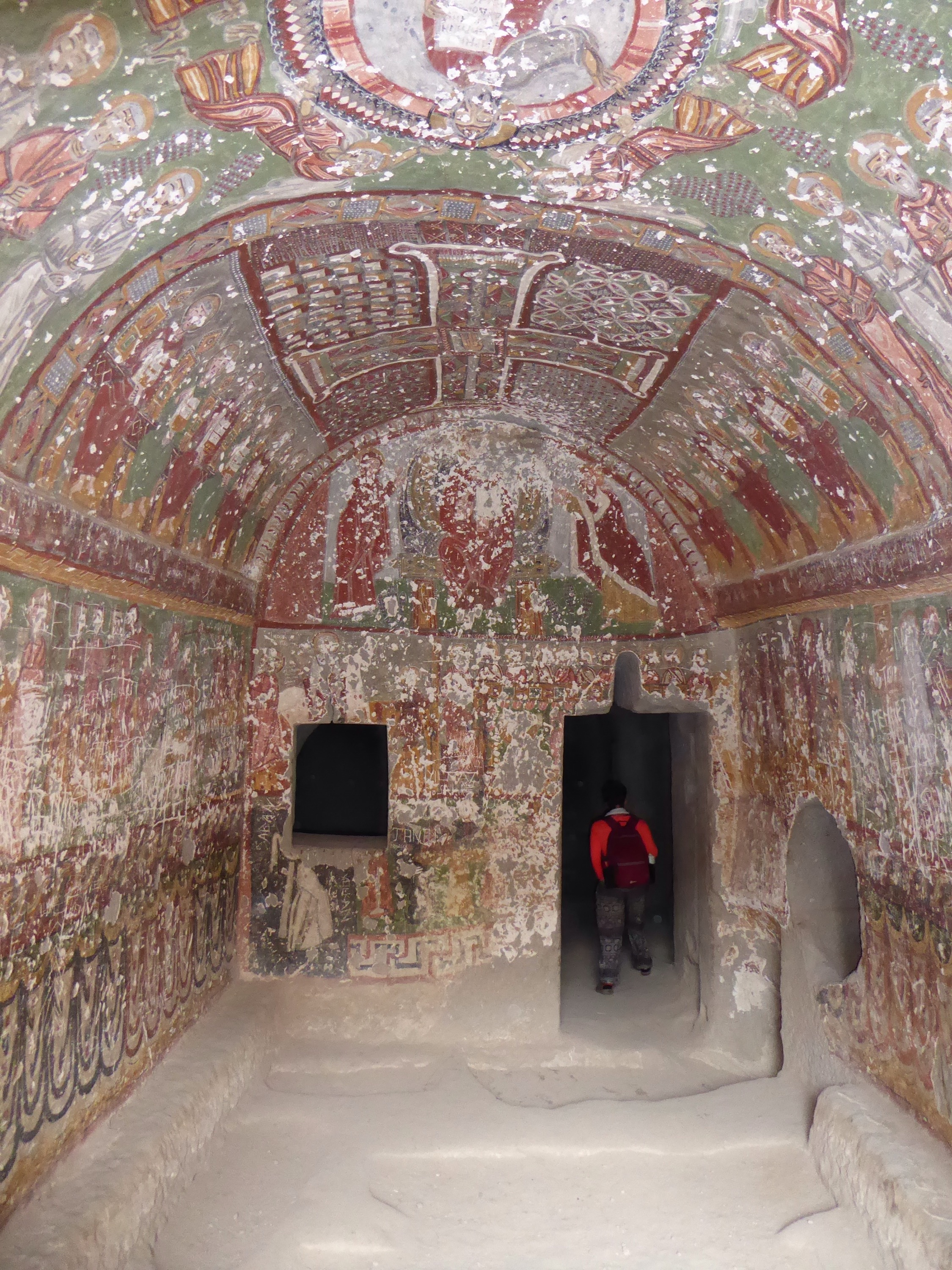
As well as the caves, some of them very high up on the walls, there were a series of churches carved out of the rock face. Several of the churches, which dated from the 9th and 10th centuries had walls covered in frescos in varying states of disrepair. Sadly many of the frescos were defaced by graffiti but where arms could not reach some of the frescos were amazingly well preserved. 


Half way along the route was a small village which allowed for a rest and a “cay” stop (of course). The second half of the route is much less walked. The gorge widened out somewhat and the valley floor in parts had some small cultivated fields. The sun came out for a glorious afternoon. At times the path climbed up to more caves, including one which was still a mosque, with great views along the gorge. A highlight was seeing 2 eagles (or at least very large birds of prey with enormous wingspans) gliding up and down the walls of the gorge.

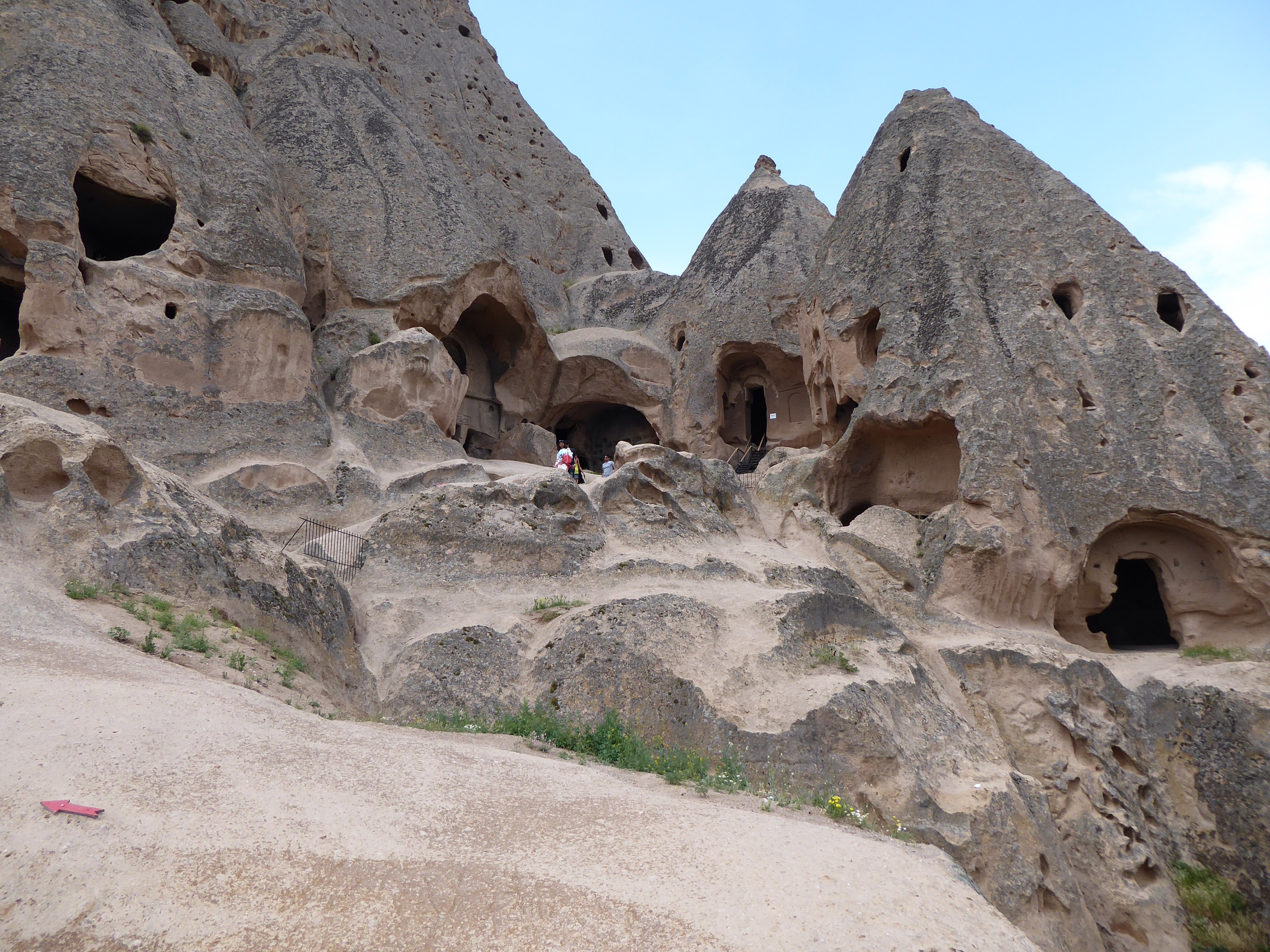
We hardly wanted the walk to end, but the ending in Selime revealed a further highlight. The rock formations here were typical of Cappadocia with cones and ‘fairy chimneys’. One rock face was hewn into what they called ‘the cathedral’. This was a whole complex of rooms, grain stores, winery, church, chapel and cathedral hewn out of the rock with a caravanserai road running up as a tunnel to the complex. It is the largest of its kind in Cappadocia and was truly extraordinary and ended a wonderful trek.


We ended the day with the map stretched out and route planning for the next week or so and another nice meal at the restaurant by the river. Back on the bikes tomorrow for more Cappadocian exploring.

Day 12: Sultanhani to Selime: 75km and 400m of climbing (5637km to date)

Stuff happens when one is travelling – it just happens. The “nice spicy lentil soup” (see yesterday’s blog) proved that it was not quite so nice at about 2am for me (David). I suspected that the relatively low attendance at the cafe meant the soup was re-heated and thus bugs got in. Anyway it re-emerged powerfully at various points during the night leaving me feeling dehydrated, exhausted and generally ill. That led to a difficult choice – stay in an anonymous roadside hotel, which gave me the D & V, but would give recovery or press on slowly to reach Cappadocia despite feeling crap. Fine balance but we decided to press on. The wind had died and so we were assisted (or opposed) by a mild breeze instead of being driven along at 30kph.
Cycling when one is feeling crap is a totally different experience. It is still rhythmical but the rhythms are harder to keep going. Slow but steady progress was the order of the day.

   
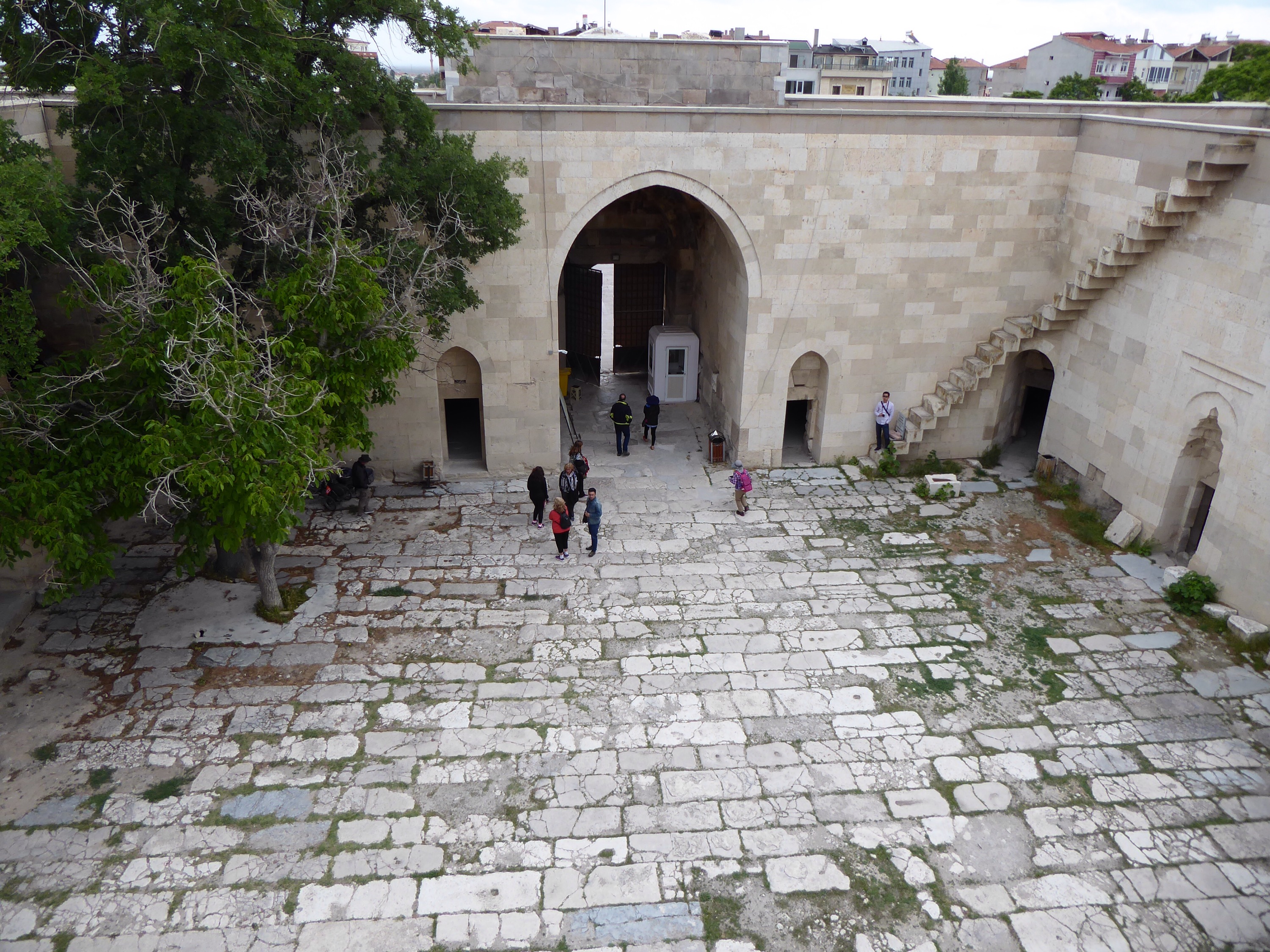
 After 4km we came to Sultanhani and saw the incredible “han”, the massive building for travellers on the silk road. The sheer scale was impressive. This was a hostel, storage place and trading post for camel trains coming from the East and those coming from the west. It was eerily empty (apart from some Columbians we met who were on tour and the statutory Japanese or Korean tourists who seem at every tour stop).  

  
After Sultanhani the road went for another 45km across the plain towards Aksaray. It was at least fairly flat and a good surface. We were cycling on the hard shoulder of a dual carriageway which had cars and trucks every few moments. We have reported before on the reaction of drivers in Turkey but it shows something about the national character. All cars beep their horn before overtaking a cyclist. This does not produce a crescendo of noise because there are so few cyclists. But many drivers do more than give a simple warning beep. We get multiple horns blazing, windows being wound down, waves and cheers to celebrate the effort of cycling across their country (with trailers). The Turks are a relaxed, sedentary race and obesity is a major problem, particularly for women who are culturally confined in what they can do and hence are effectively prevented from regular exercise. Travel is by car or motorbike and a serious girth is traditionally a sign of prosperity. Men smoke in numbers which make a health time bomb inevitable. Those Turks that we have spoken to about this recognise that public health is a real issue and that they need to change deeply ingrained habits. Maybe that is why there is such a positive reaction to the contrast we present by cycling. Anyway it appears to give genuine moments of joy to car and truck drivers as they pass us.
As we approached Aksary we could see the end of the plain. The hills rose from the town steeply in a line, with an impressive volcano at one end.
  
We reached Aksary about lunchtime and had some delicious pide (thin cooked pizza type bread) at a cafe to decide whether to stay or press on. As Bernie said “Eat – it will make you feel better or worse”. Luckily it was the former and so we pressed on out of the town. The road surface was rubbish and the road wound its way through the town rubbish tip for the first mile or so – delightful. Then the serious climbing started.
  
The less said about the next 25km, the better. It was steep at times, hot and my mind was partially on the cycling and partly in many other places. However things improved with an ice cream at the aptly named Dogentaria and eventually – deo gratis – we reached the village of Selime about 3.30pm. We found a hotel and after a couple of hours being horizontal life was beginning to get back into focus. We went down to the main village for a meal (back in the tourist areas so plus side is we got a beer, downside was double the price).

  
We also saw the very first part of the Cappadocia rock formations that have made this area so famous. More of that tomorrow but they look fascinating. More exploring tomorrow.

Day 11. Konya to Sultanhani. 105km. 300m climbing (5562km so far).

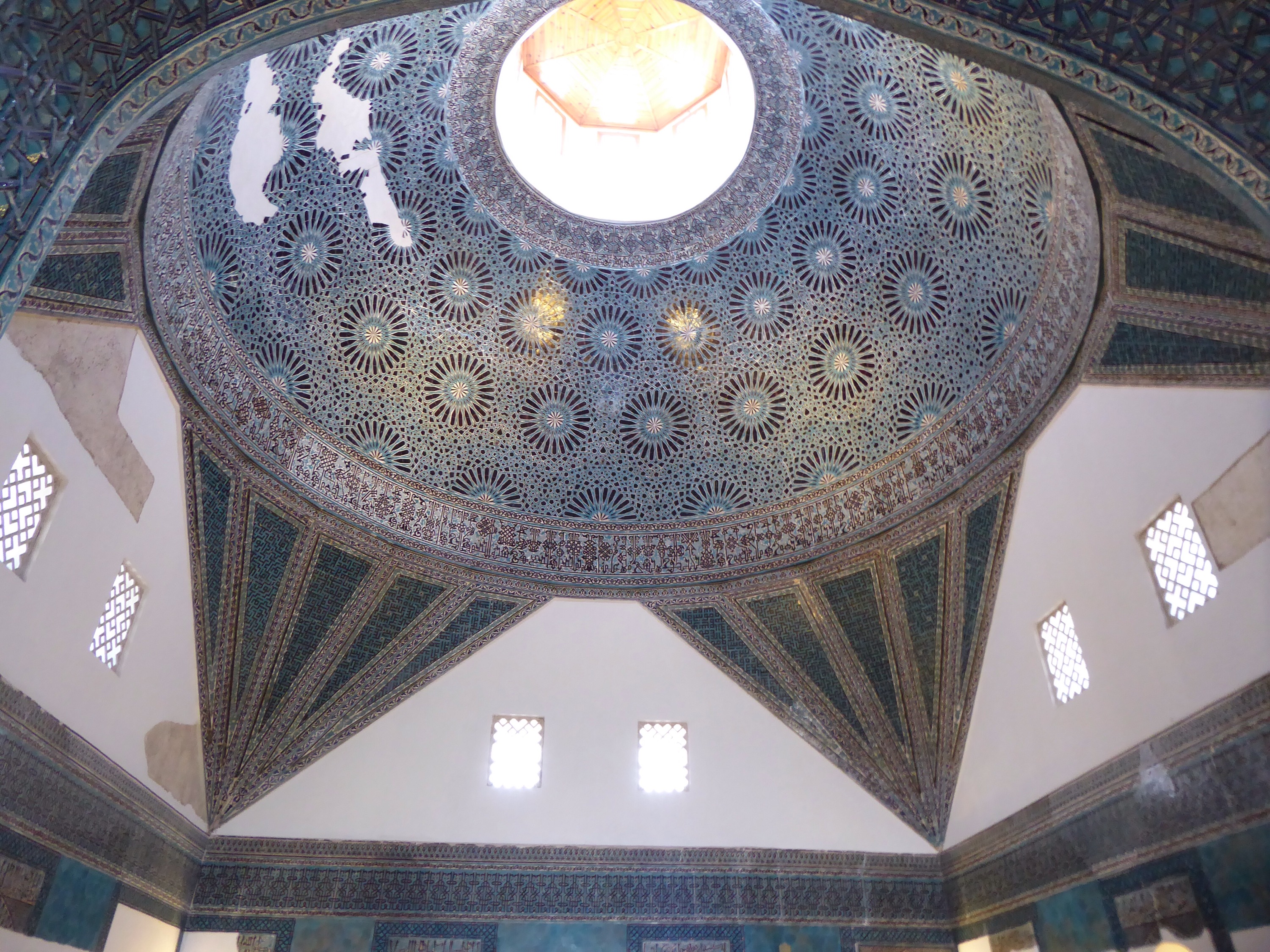
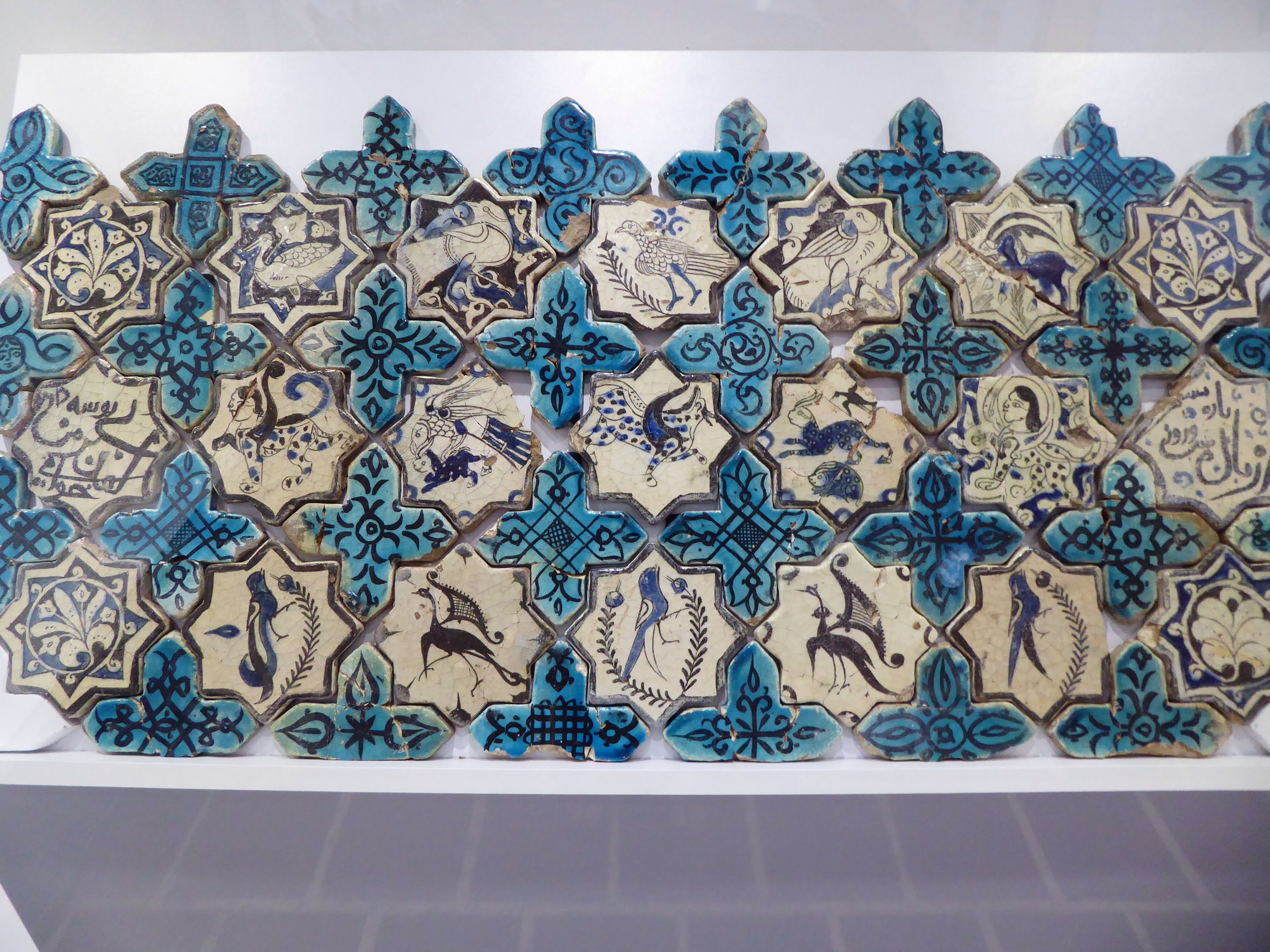
We had a nice, leisurely morning sorting ourselves out and then cycling the few minutes back into the city centre. We visited the Tile museum in a fantastically restored Seljuk era madrasa (1251). The ceiling and upper walls were lined with wonderful blue and white tiles. The building itself was more impressive than the ceramics displays, although there were more patterned Seljuk tiles from excavations of a palace near where we camped at Lake Beysehir. 
   
 
We then strolled round the Grand Bazaar and were struck by how clean and ordered everything was. After stocking up on some basic provisions we headed back to Mehmet’s lovely apartment for a simple lunch and final pack up and were on our way again about 1pm.

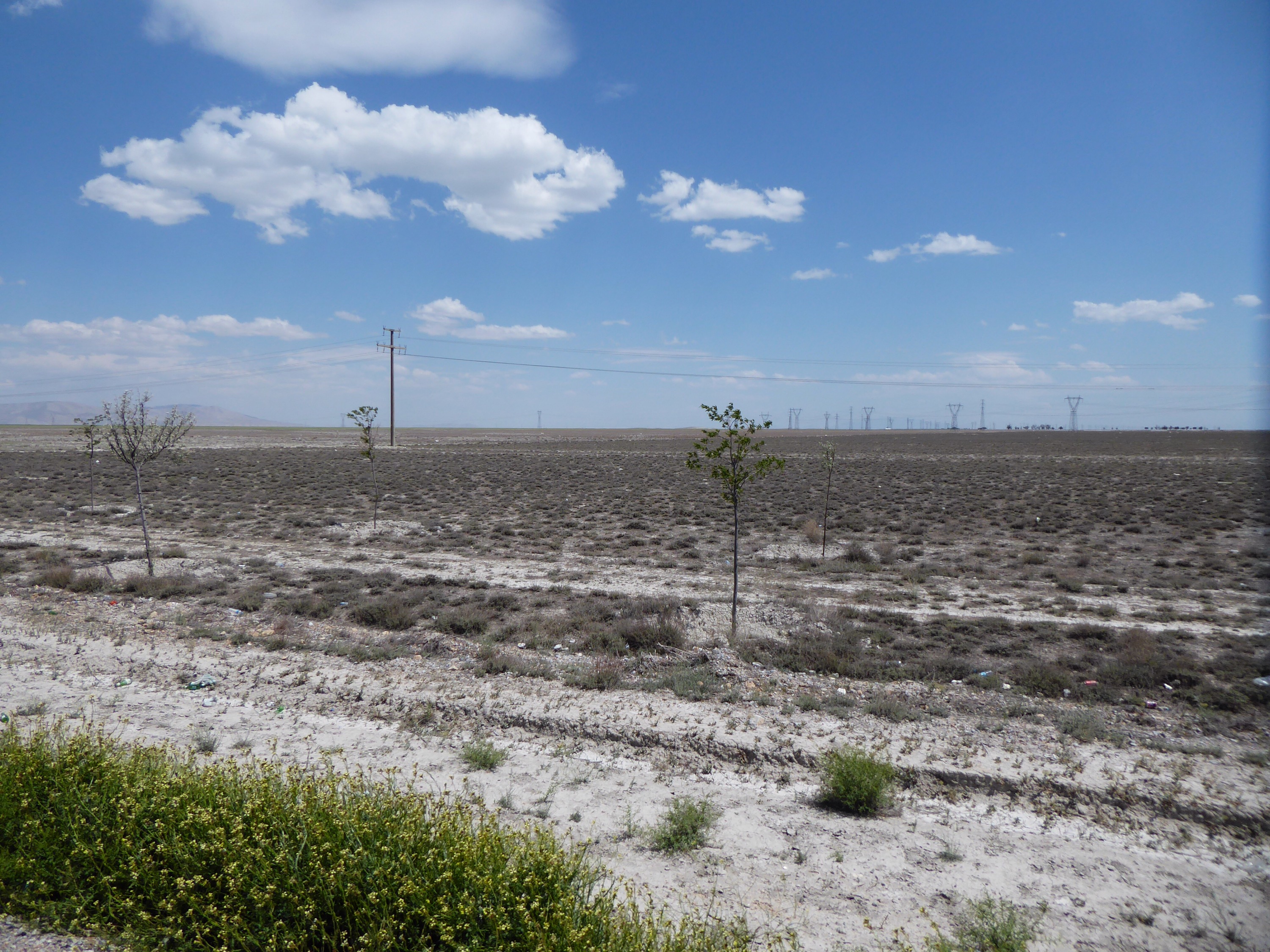
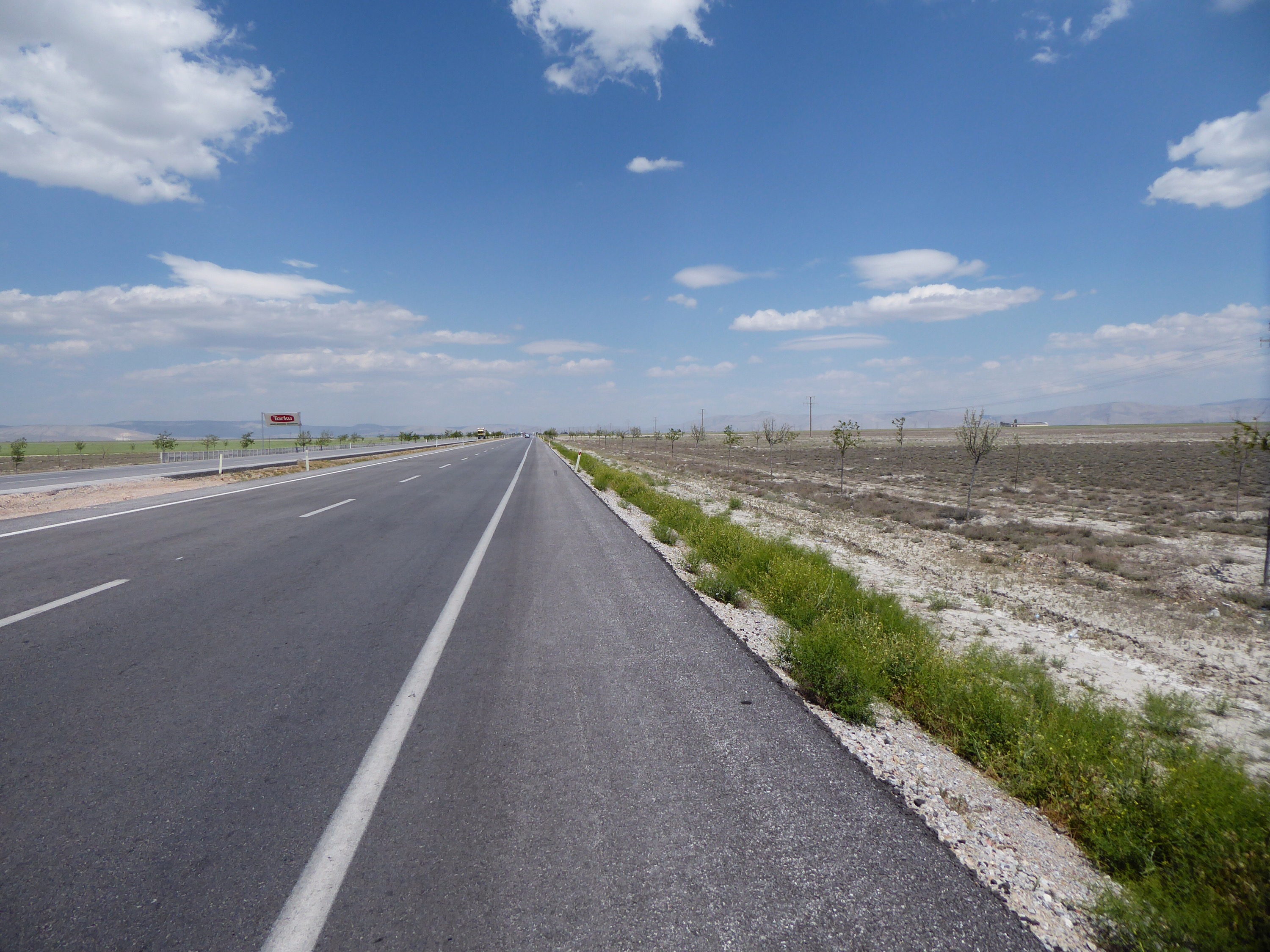
The road out of Konya was not as pretty as the road in, passing through the industrial heart of the city’s economy but eventually we turned east again (well north east) off the main Ankara road towards Aksaray. The road was straight, flat and very barren for about 45km. The wind had been swirling round us in the city but thanks to God, Allah, any other deity or just pure luck, the strong wind was firmly behind us. We flew along the flat road . The road was boring with just mile upon mile of brown empty landscape, the legs just pumping round and in spite o the tail wind I struggled for the first hour until I found the right headspace and rhythm for that type of cycling. 


In the distance we could see some hills which gradually got nearer and after about 45km the boredom was relieved by a climb over a series of small hills. On the other side the tail wind was still as strong but the land was more fertile and, after a while, became a little more populated. In a few places we passed small huddles of plastic shelters on the edgers of villages and wondered whether these were signs of refugees. Up to now we have seen nothing of the massive influx of refugees into Turkey from Syria.


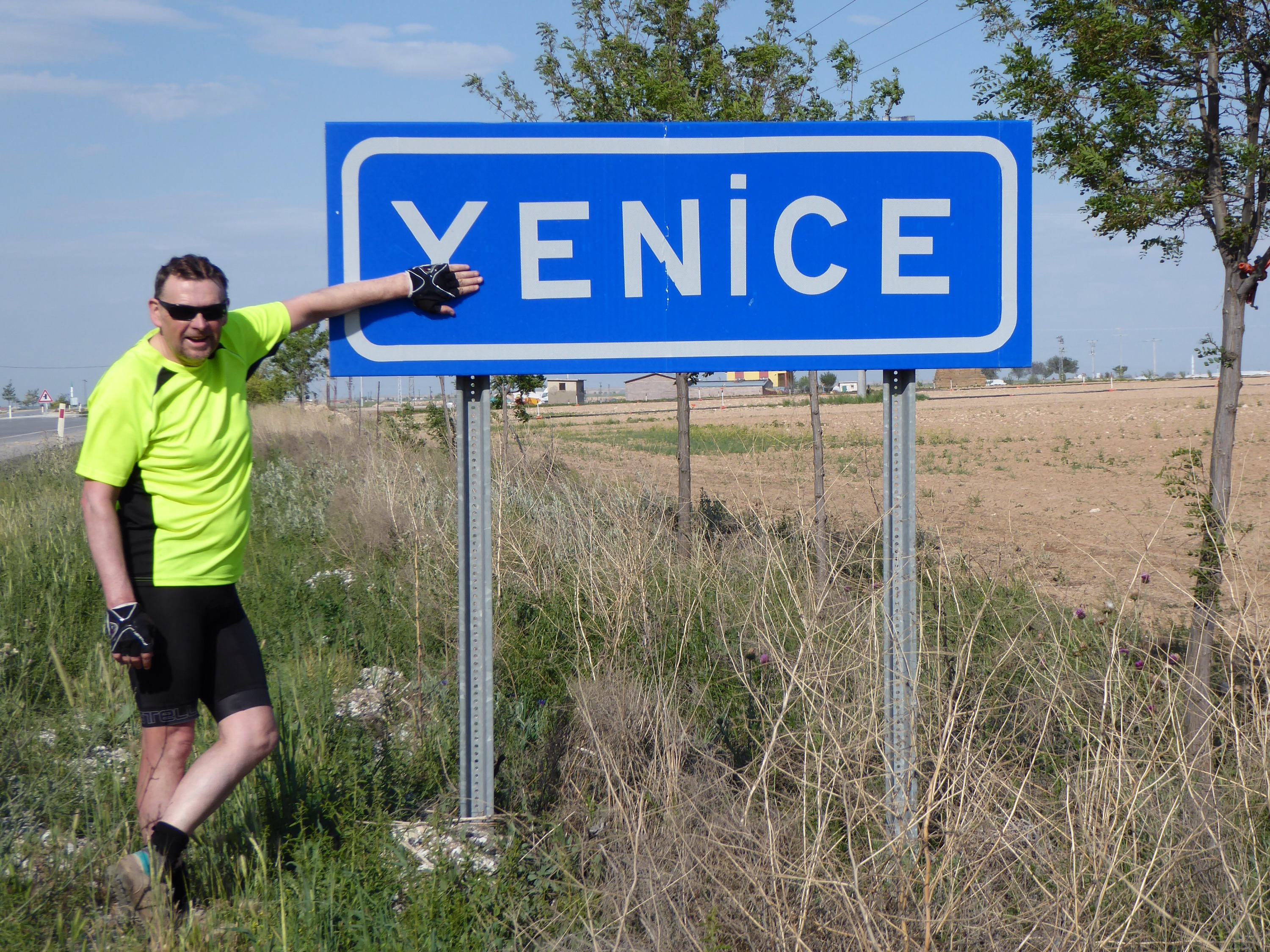
We came across the village of Yenis – and so pretended we were back in Italy!

At about 65km we finally found a tea stop at a little shack at a petrol station. Although if we are camping, we like to find a spot and settle in by late afternoon, we decided we would keep pressing on 1) because the land was still flat, barren and blowing a gale with no shelter and 2) by tomorrow the wind may have turned and we wanted to make the most of it blowing us along apace. We had our eye on one spot where there was a lake marked on the map but when we got there, there was no water, just marshy land and still no shelterhe village of Yenis whatsoever. Just before reaching Sultanhani where we had decided we would stop whatever happened a hotel suddenly appeared like a mirage. Large, swish and empty we negotiated them down from 180TL to 120TL (about £30 – old travelling habits die hard) and decided that would be preferable to being blown away in our tent overnight. We had done 105km and only left at 1pm. We will never cover ground that fast again I am sure!
We were tempted by a nice spicy lentil soup in the canteen style restaurant next to the hotel (clearly designed for tour groups) but not by anything else so we ate up our hard boiled eggs, salad and peaches that we had brought for camping in our room and felt satisfied. A rather weird cycling afternoon but it has got us within striking distance of the Capadoccia region tomorrow which we are really looking forward to.

Day 10: Karacaoren to Konya: 64km and 490m up: Total 5457km

I am typing this in a lovely apartment where we are being hosted by our new friends Mehmet and Ahmed. It is early morning and they have gone to work, leaving us alone at their home. Such incredible hospitality is not so uncommon in this great country.


For those who are unaware of the “warmshowers” phenomenon, let me say a few words in favour of the geniuses who created http://www.warmshowers.org. This is an online community of touring cyclists across the world. We register to host touring cyclists (for nothing) and can ask to be hosted by other members. Membership is free and the site is kept going by donations. The key to trust is reviews – we leave reviews for our hosts and they leave reviews on us. It is – as our daughter Becky explained – “counchsurfing for cyclists”. No money changes hands, friendships are made and lots of great memories are created.

Anyway back to the trip. We woke and packed up in our lovely campsite by the river. We knew we had a short day so lingered a little. Just as we were ready to leave the cows came back over the bridge. The young boy whose photo we took yesterday arrived with his (basic) phone (or possibly someone else’s phone borrowed for that purpose) and wanted a photo of us – so we obliged. Smart phones are everywhere in Turkey and the mobile coverage is great. I suspect there has not been any investment in landlines for years because everyone uses mobiles

After all the cows had passed we wheeled our bikes up to the road and started the long but shallow climbs on the road to Konya. 60km later and a few more ups and lots of downs saw us reach the massive city of Konya. We had arranged to meet Mehmet via Warmshowers and had no trouble finding his flat (immediately above Willy Wonderr’s Coffee Shop which helpfully provides free wifi).  

  
Mehmet and his brother work in the family Foundary and metal casting business and he has many customers in the UK – and he knows Dudley, Stourbridge and Birmingham well. He will be back in the West Midlands before us, which made us feel that it is a small world indeed. Business is tough because many of his customers are in the oil and gas industries that are affected by the drop in the oil price, but he is the Sales Director is clearly hugely able and dedicated to making the business work.

We showered – since that was necessary after 2 nights camping and is the point of the website – and then went out to see Konya. This city has a population of 1.3M and is growing. Construction of new roads and buildings is everywhere (although there is concern that the property boom may be based excessively on credit and thus could stall like Spain or Ireland). It is a thriving industrial city but combines this by being the centre of Islamic tourism due to being the place the great Islamic teacher, Rumi, made his home after leaving Afghanistan in 1220. His followers created the whirling dervishes – where a trance like state is entered to enter the presence of God during ritual dancing.


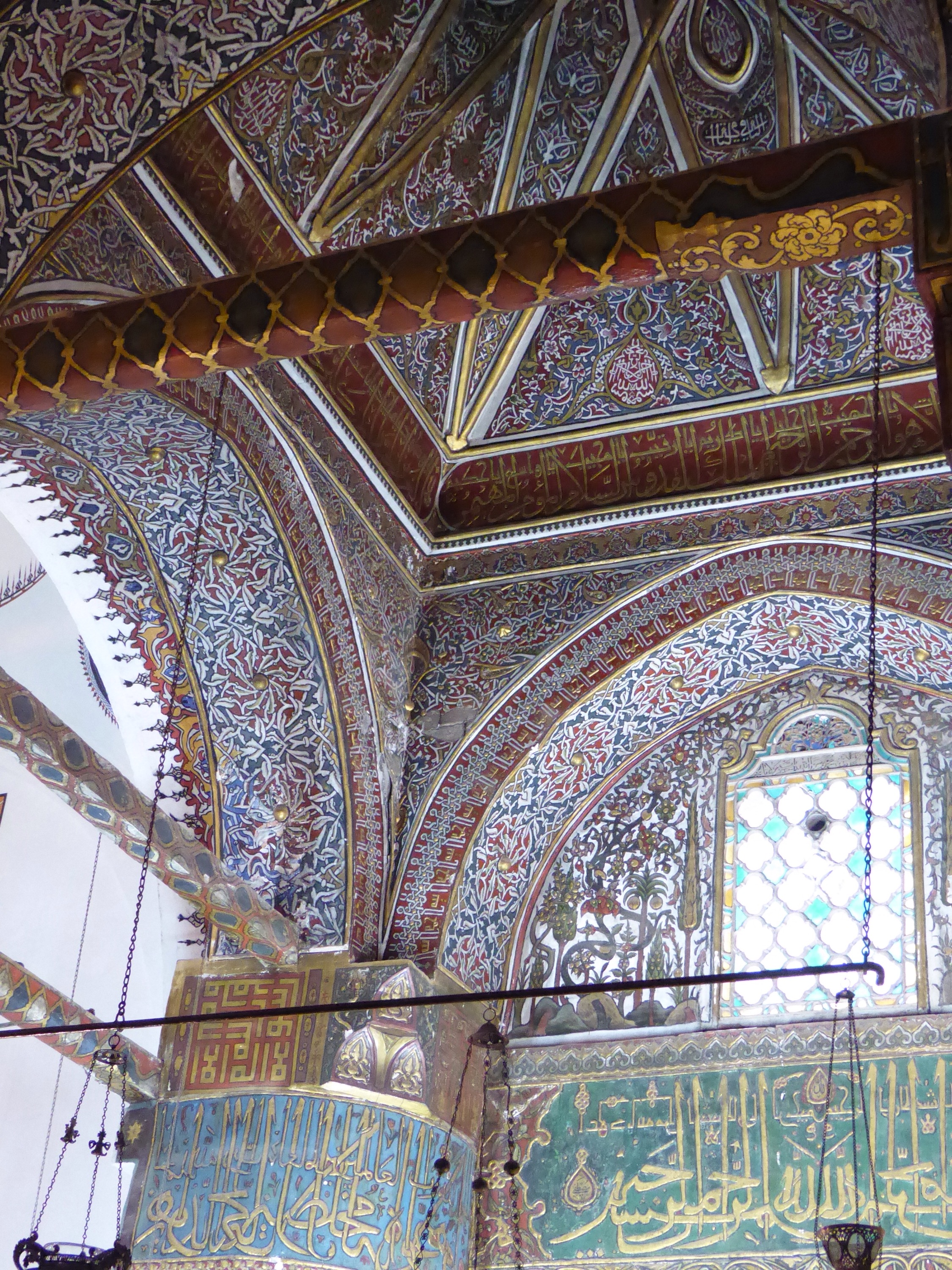
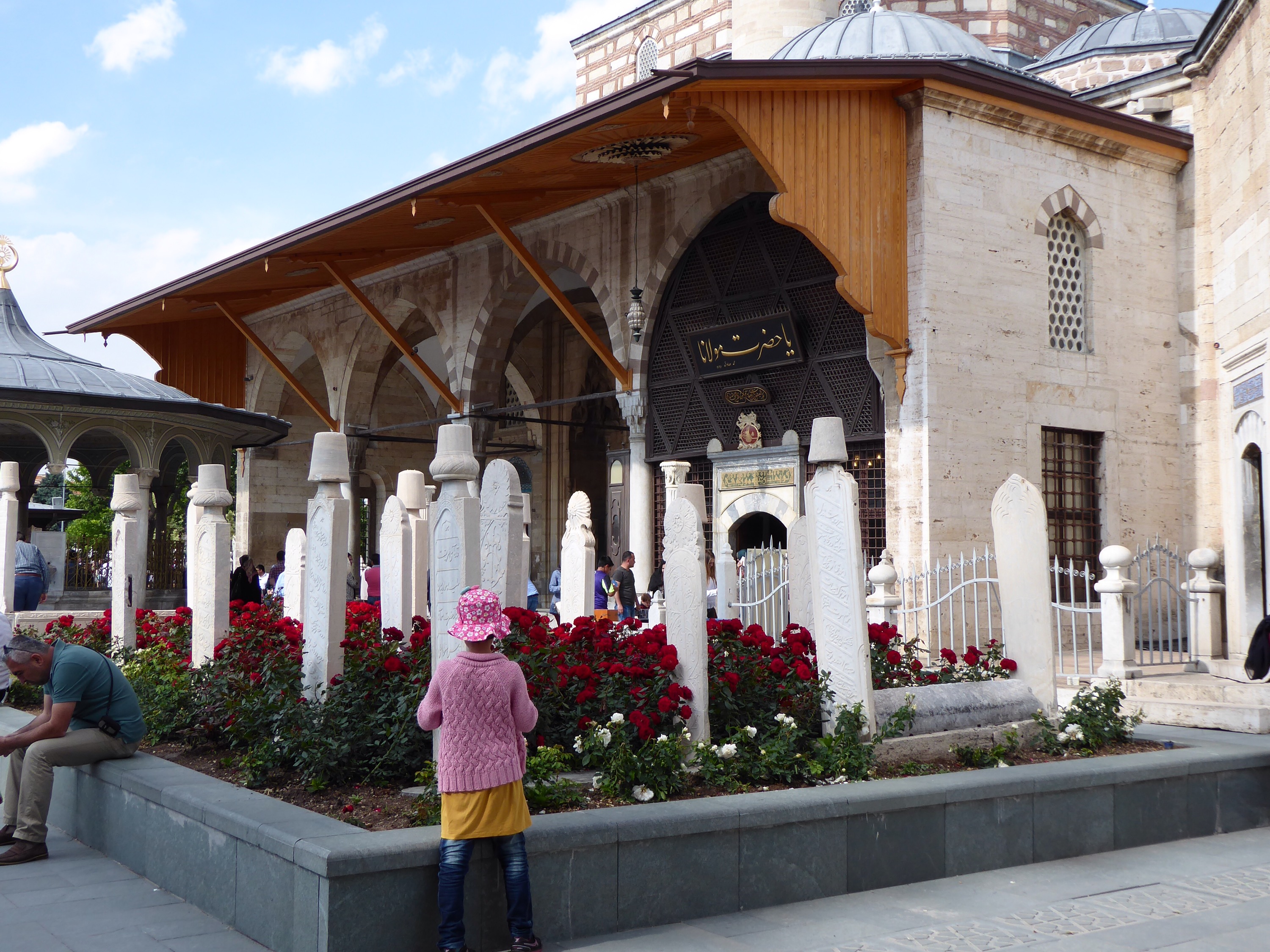
The Rumi doctrines of tolerance to all, mysticism and self-knowing after years of study make a stark contrast to the approach of whahhabism which dominates the thinking of IS and Al Qaeda. The centre is the Mevlana Museum which contains the tomb of Rumi – also known as Mevlana – and his key followers. It starts with a beautiful rose garden and then there is a superb mausoleum with fantastic calligraphy on the walls and displayed books.  The devotion of followers was evident amongst the crowds. They hustled and bustled around the site with all the devotion of nuns or priests visiting the Vatican for the first time. It was a sunny, warm afternoon and was a complete delight to be in such a special place.

  
We returned to the flat via the lovely Aladdin park in the centre of town where we saw groups of young Turks walking around. There are just so many children here – happy, smiling and squeezing the sponges of their young lives. We also saw teenagers walking, talking and laughing – often groups of girls had some with headscarfs on and others with T-shirts with English writing saying the usual type of slogans one would see on Oxford Street – and occasionally the combination of a headscarf and a very unIslamic T shirt slogan. This may have a reputation as a very conservative religious city but there was clearly tolerance at the heart of it as well and not everyone conforms to a religious stereotype. However one result is that virtually nowhere is licensed for alcohol, maybe half a dozen places in the whole city – much to Mehmet’s regret!

  
Mehmet and Ahmed took us out to dinner at a restaurant overlooking the city. The food was just fantastic – slow cooked lamb, aubergines, salad and the most brilliant okra soup to begin with. We chatted (in English of course) laughed with our new friends and felt privileged to be in such company.  
Later we went for coffee and met more for their cycling friends – all but Mehmet were also smokers. The message about the dangers of smoking is slowly getting through to educated Turks and is prominent on cigarette packages but often it is printed in English so maybe is of less power than it could be. Again delightful people and lots of fun. What a day!

Day 9. Near Yenisarbademli Bayshehir Lake to Karacaoren (84km and 930m of climbing) : Total 5393km

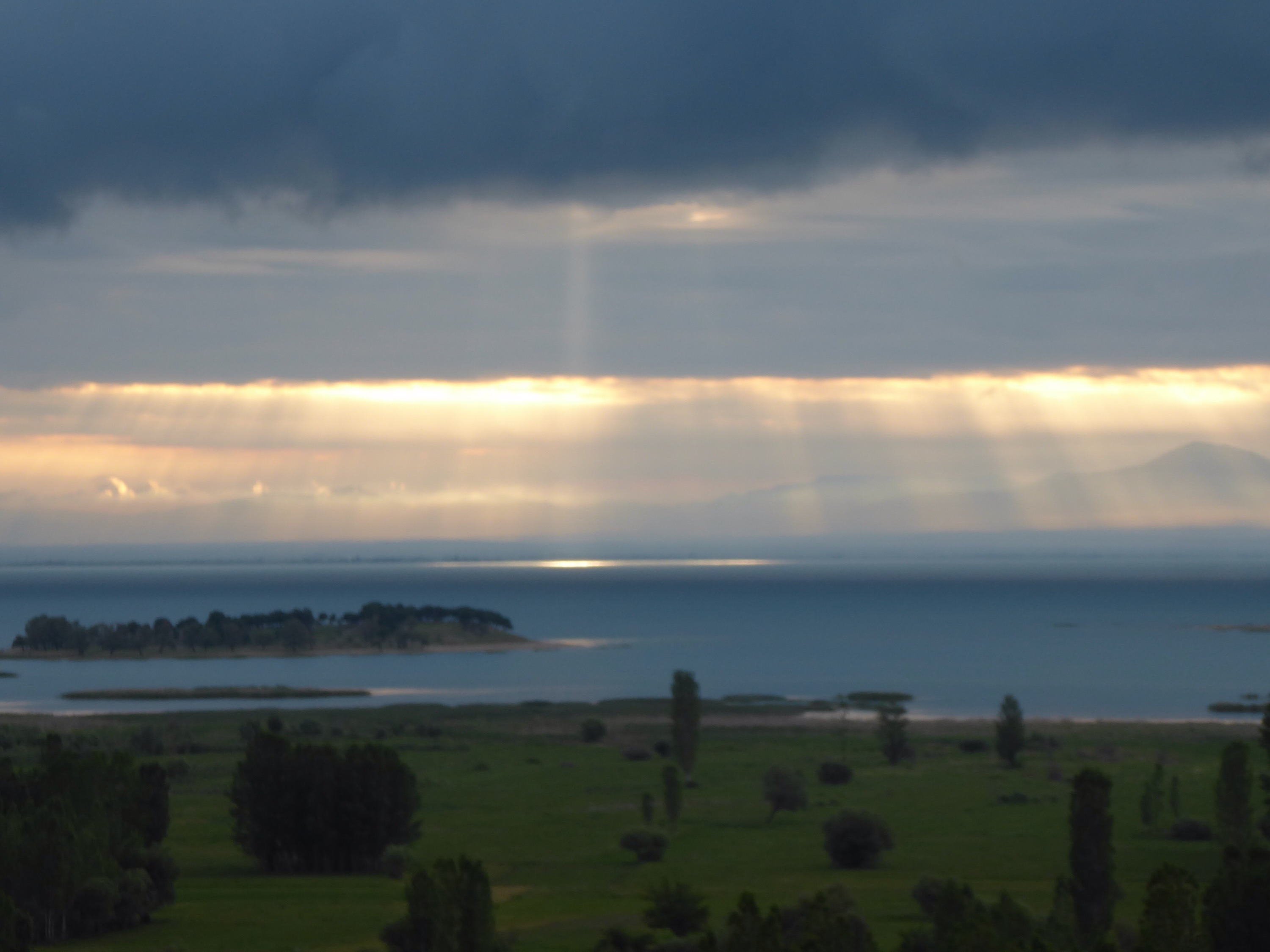
We woke early to complete peace. As the first brew went on, the sun rose over the lake, the line of clouds causing shafts of light reminiscent of resurrection paintings, glinting on the water. 


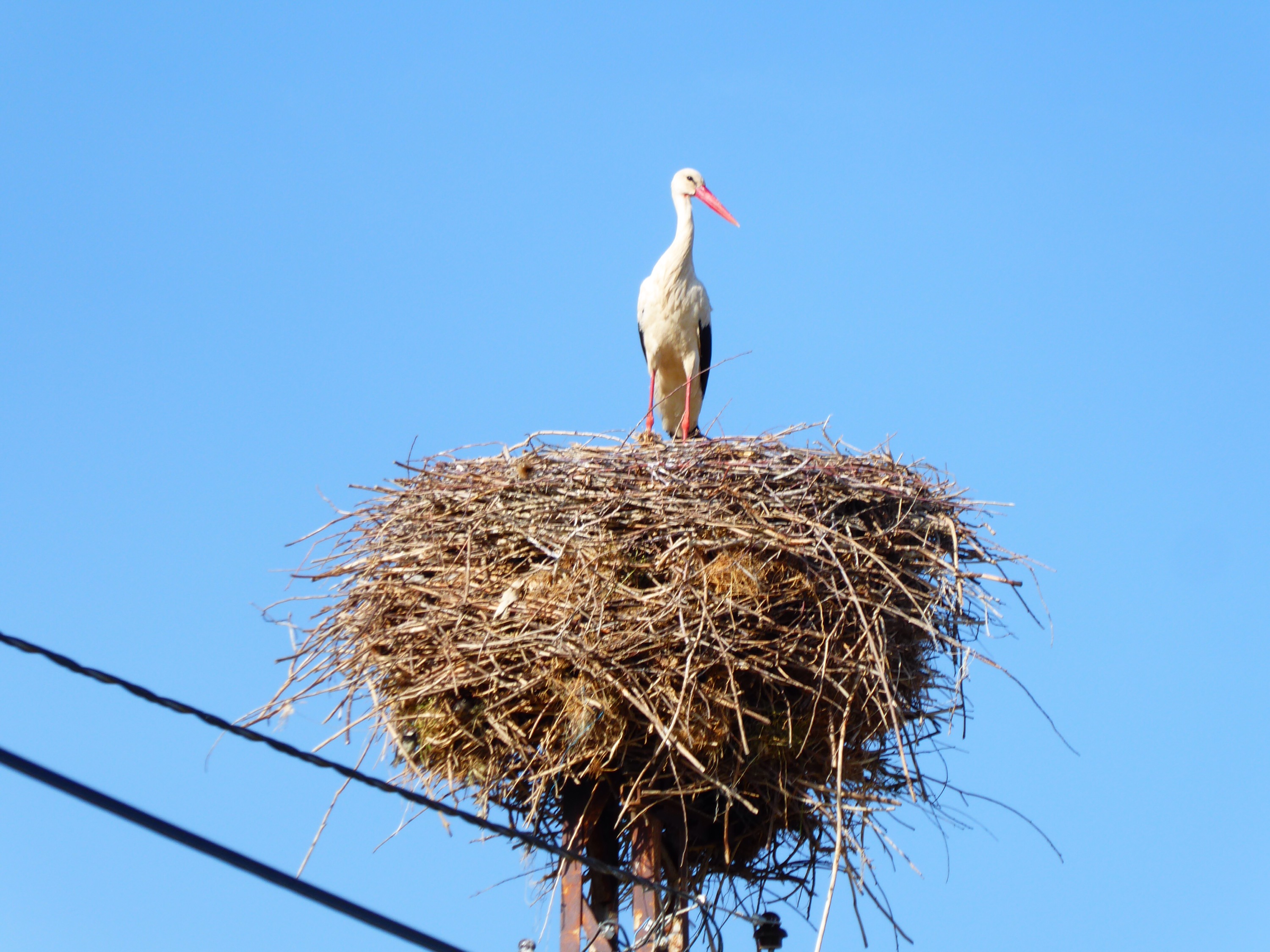
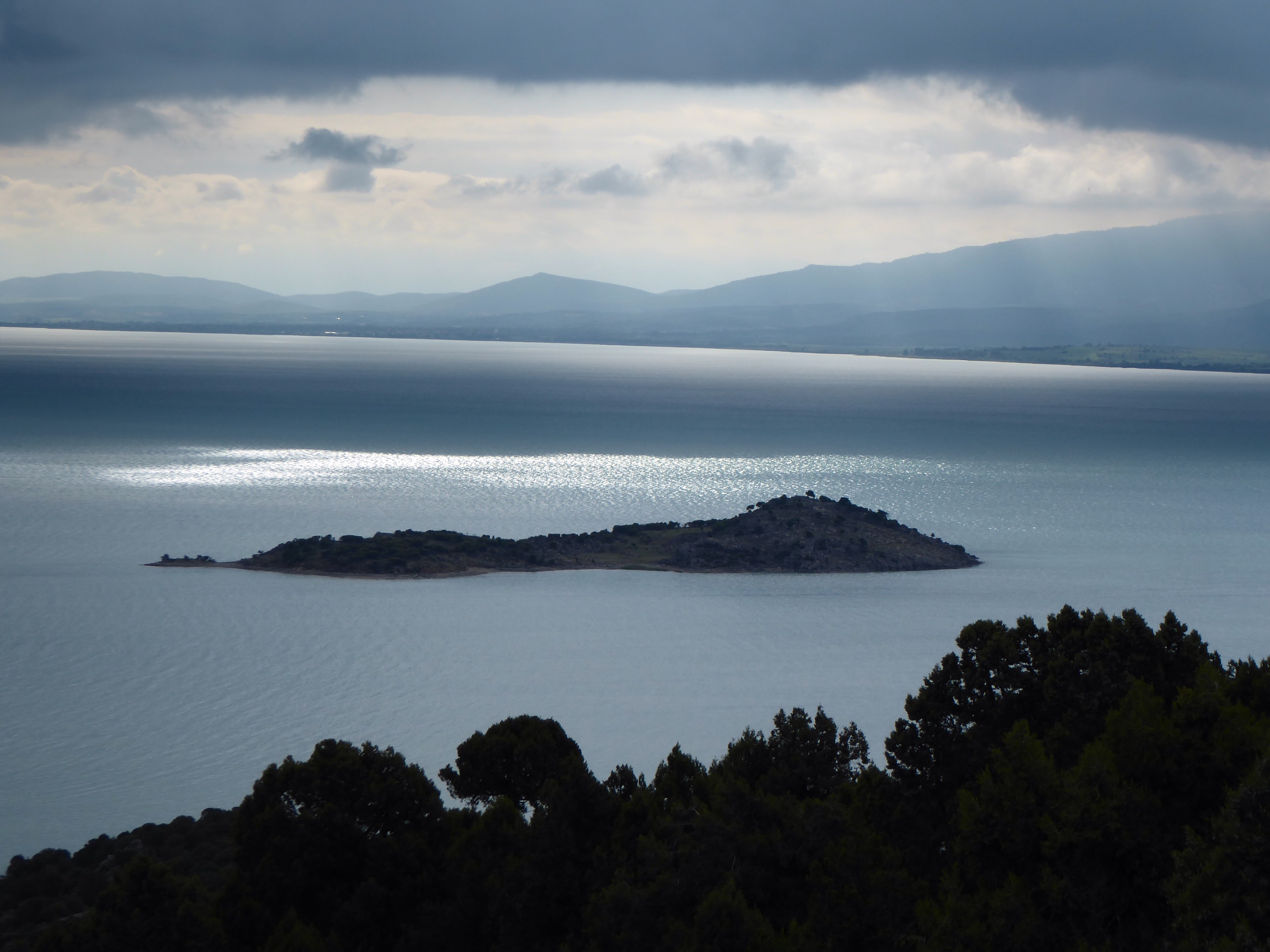
Many people find it difficult to understand why we like camping – and wild camping is something totally incomprehensible – but this little campsite is just why we do it. A spot with views of snow capped mountains and sunrise over the lake with complete peace just cannot be found in any hotel. Being able to stop when we like – or at least when we can find a flat piece of ground and access to water – and not have to battle on to the next to the next town has its benefits. Being (nearly) completely self sufficient feels like real freedom compared to our usually ordered life. So after leisurely drinking tea whilst watching the sun get higher and packing up, we were treated to an hour and a half of perfect cycling.  The sun came out and the little road wound round the edge of the lake. The water showed extraordinary colours of turquoise and aquamarine. A huge variety of birds flew up from reed beds as we passed by – including white, black and grey storks and various birds of prey that we could not identify. And in all that time we saw less than half a dozen vehicles. We felt we just had to suck it up and savour the experience.


However, days are often variable and the next section turned drizzly and the road was not very interesting. We got a bit cold and our legs were tired from the previous day. We pressed on for 50km to the lakeside town of Beysehir and in all that time we didn’t pass a tea shop. We did not think that was possible in Turkey – but part of the reason was that the new road by-passed various villages. There are lots of new roads in Turkey – they are investing big time in travel infrastructure as we have seen new rail lines as well. It means our maps are often inaccurate and we spend periods cycling along pre-tarmac roads which are hard on the bikes (and hard on us)

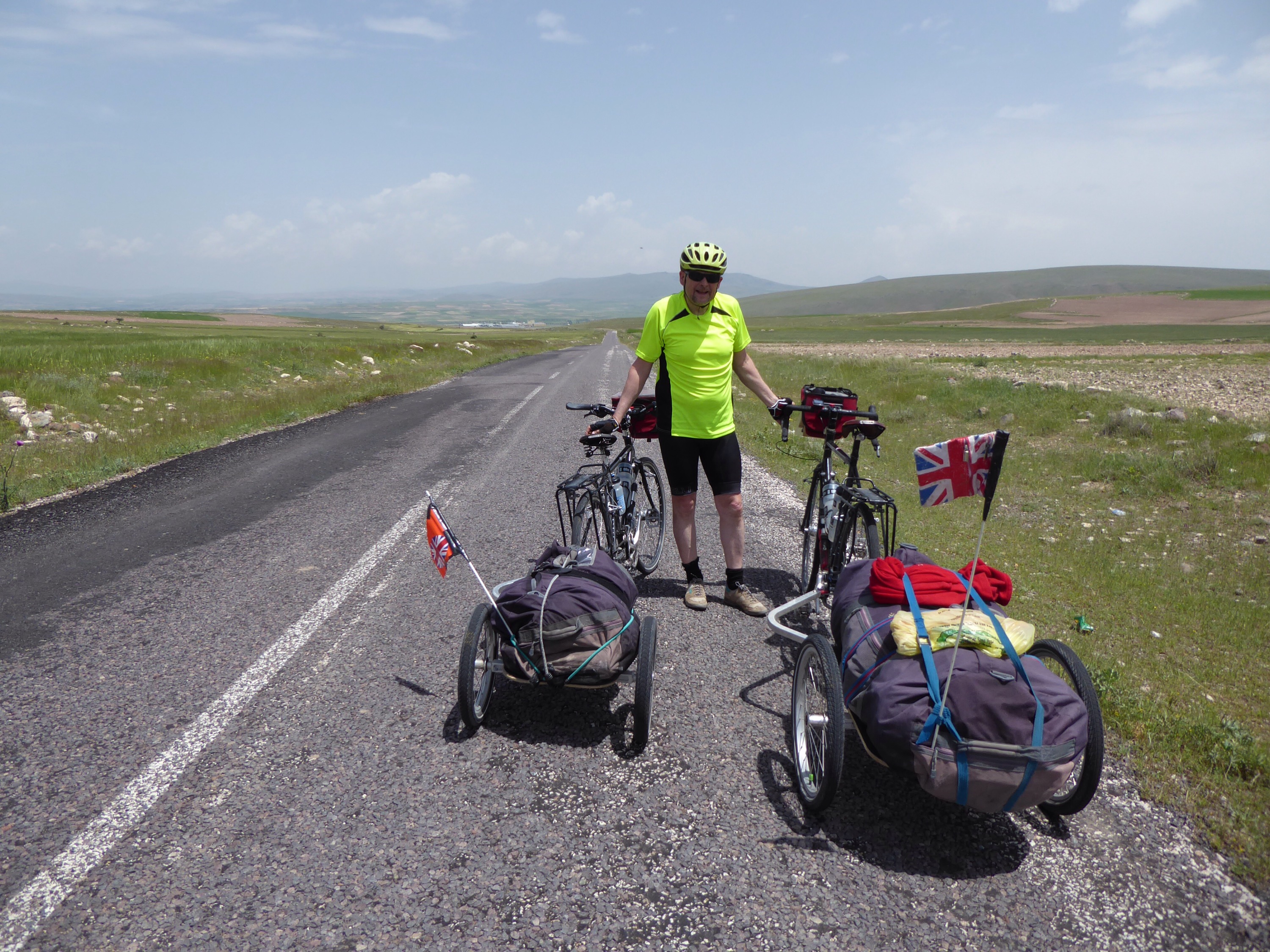
In the town of Beysehir we found a pleasant restaurant and decided to have a proper meal and spend an hour recuperating. Whilst we were in the street David was stopped by a woman who had lived in the town for 12 years but grew up in Doncaster. It was strange to hear a south Yorkshire accent in Turkey. She said – no doubt accurately – that she was the only English person in the town and probably in the wider area. She said that Germans and Norwegians came to see the famous mosque, and even the occasional person from the US, but never any English. She had married a Turk in England and moved over permanently with him. She had spotted the small Union Jacks on our flags and came to say hello – which was great. She strongly recommended we see Esrefoglu Camii and gave us directions.
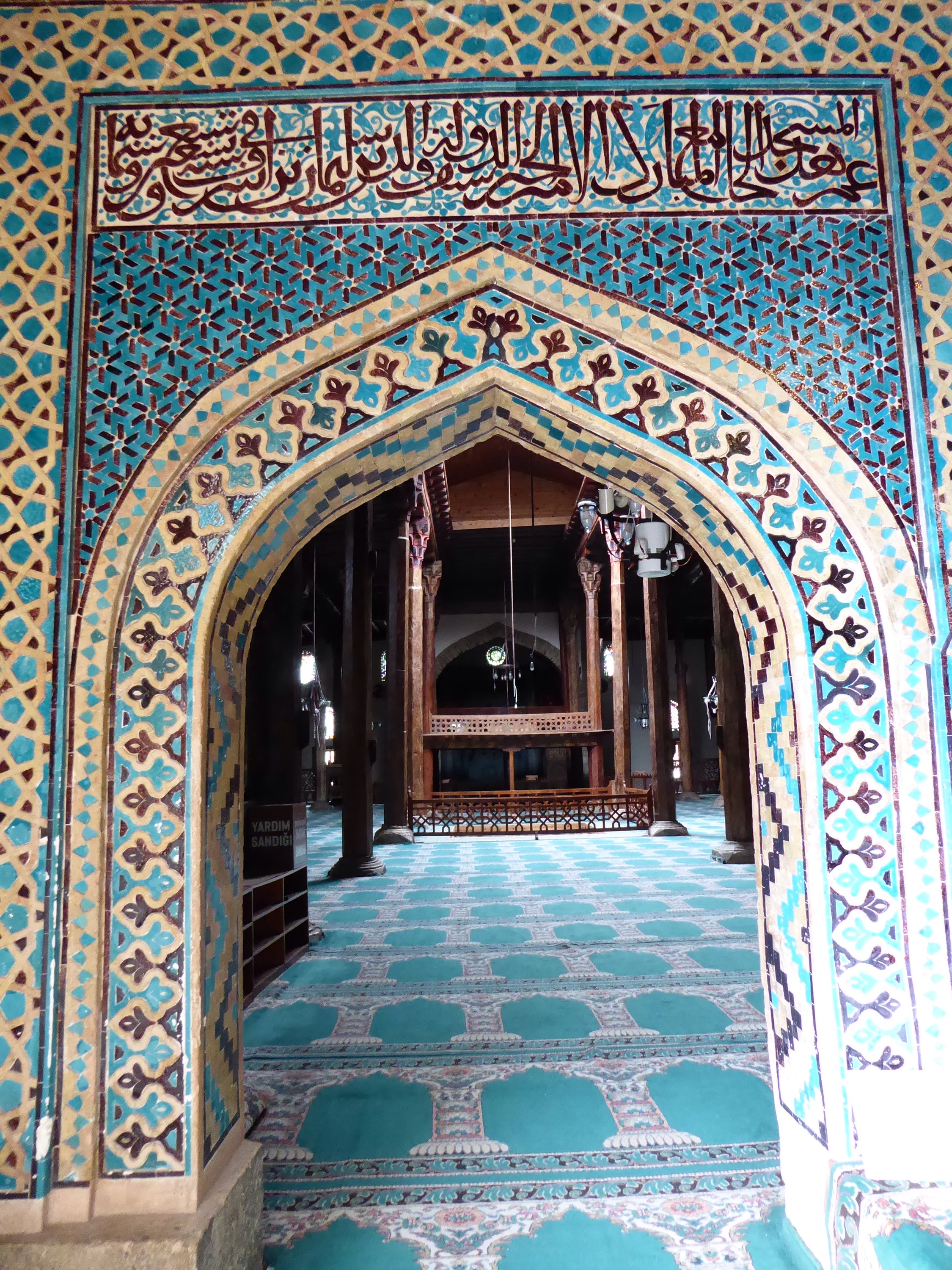
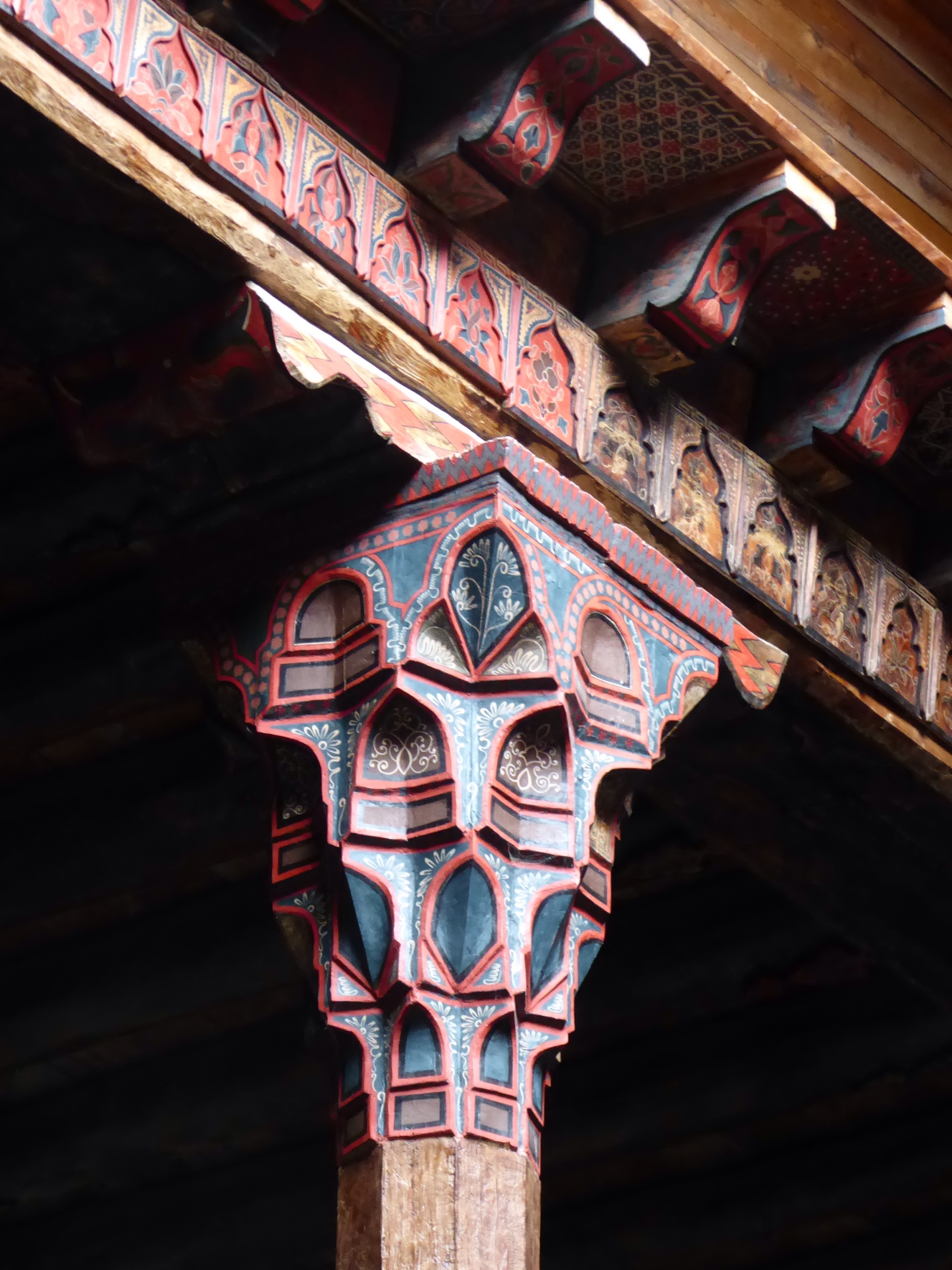
We then headed to Esrefoglu Camii – a mosque built in 1297 – so I think that counts as pretty old. It was a truly amazing building and very well preserved. The inside is wooden with wooden columns and capitals. The entrance is of carved stone and the inner entrance beautifully tiled. It was an experience to see it and felt very simple and peaceful.


Eventually it was time to move on from Beysehir and away from the lake. We took a cut through road to the more minor road to Konya which turned out to be 15km of bone rattling road which was being prepared for tarmac surfacing but apart from one small stretch had none! At last we reached the main road – only to find that the road that was marked on our maps as a minor scenic road was a new big dual carriageway! Well sometimes these things happen but it was a bit of a disappointment! We battled against the wind then up to a big climb. By now we wondering where we would be able to get off the fenced dual carriageway to camp. From the top of the climb there were some road works and we were able to coast down the newly paved side that wasn’t yet open to traffic and at the bottom there was a little track leading to a river, a little bridge and a beautifully placed flat camping spot! We went for it! Not quite as idyllic as last night as although the setting is lovely we are accompanied by the roar of traffic but you can’t always have the perfect spot!

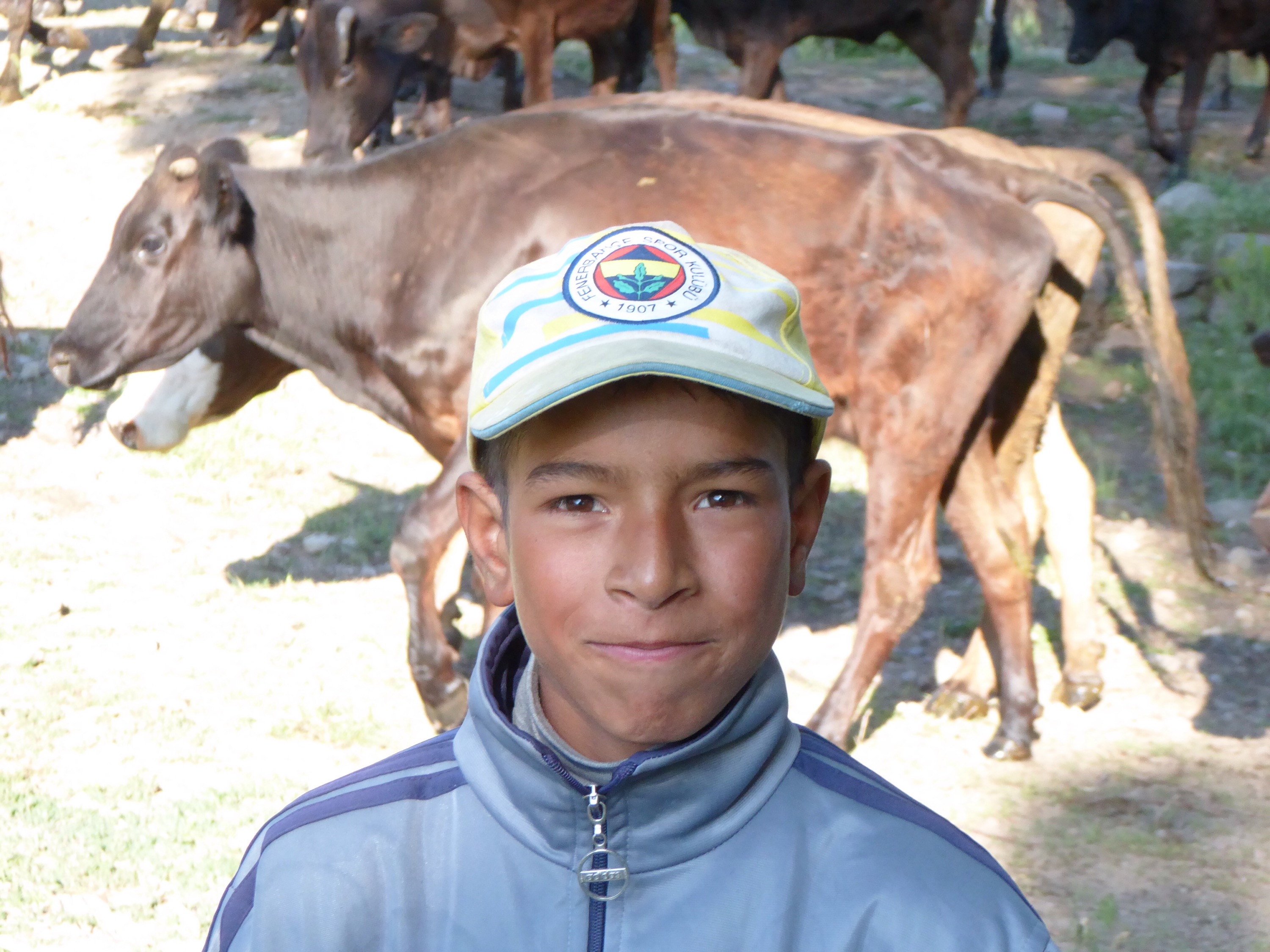
We set up camp, cooked and then as I was washing up the cows came by – with some taking a close interest in our food bag. I chased around shooing them away to the amusement of the farmer (who had sort of warned me, I think. Then his “boy” came up at the rear and was highly amused to see us camping in his field (no permission of course because there was no one to ask). We exchanged simple words and took his photo – showing him on the camera to his great delight.

Day 8: Egidir to Beysehir Golu Lake: 80km and 1407m of climbing (yes as much as that!) (Total 5309km)

Today delivered so much more than it promised. I am typing this in our tent on a lovely pitch, just off the road with views of Lake Beysehir on one side and Mount Dipoyrax on the other side.

   
 The day did not promise much because the forecast was for more or less continuous rain. We paid up and said our goodbyes to the eclectic cast of characters at the hostel many of whom felt like friends. We were – after all – fully at home with a bunch of eclectic travellers. The hostel owner assured us that our route topped out at 1650m – not 1800m as Googlemaps suggested. Sorry to report that local knowledge was not 100% accurate but we topped out at 1804m – and felt every one of those extra 154m we had to climb. But more accurate than the tea shop owner in Karadilli who told us that an 80km ride was only 30km.
Anyway we breakfasted and set off in the gloom but without it actually raining. Th road was largely flat for about 10km and then the climbing started. We climbed from 900 1300m and then went down, and up and down and so on. Only touring cyclists know how irritating it is when roads cannot make up their minds whether to go up or down. One feels like saying – just do one thing or another but don’t keep changing your mind! However the road followed the valleys and the ground undulated and so the road followed suit.  

 After 30km and with rain now falling heavily we reached the nondescript town of Aksu. There are lots of Turks who have worked in Germany and assume that any foreigner can speak German.  Confession time – I have only failed one exam in my life and that was O Level German in 1976. I was taught by Herr Fifer who was a jewish German emigrant who hated the Germans with a passion but had to teach this hated language as his only way of making a living. He took it as a mark of accomplishment whenever a student failed as it was one in the eye to his persecutors. I was a spectacular success for him with my D overall but my U for the oral. All this came back to haunt me in the tea shop in Aksu.

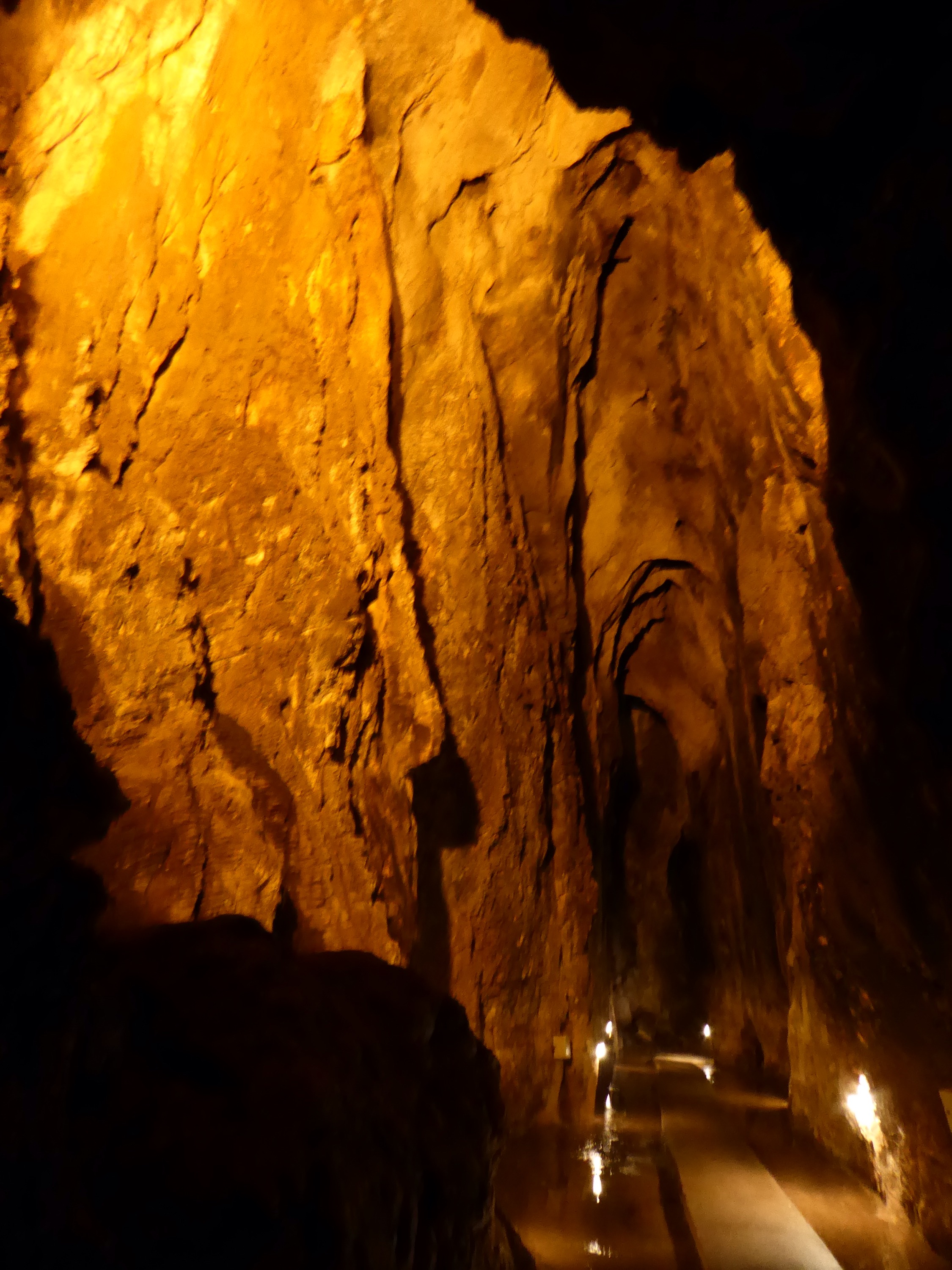
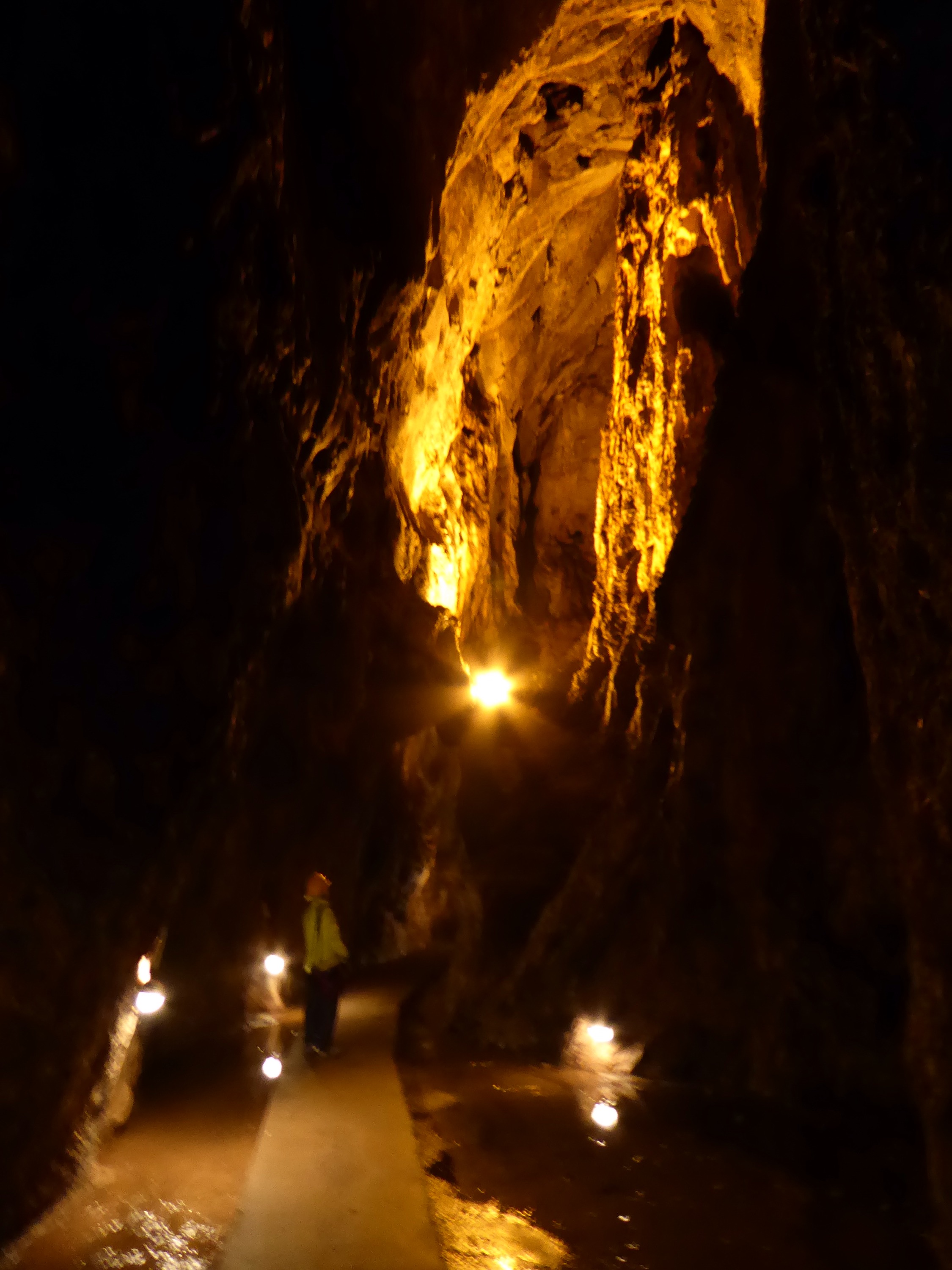
Having just about made oral progress, we paid up for the excellent tea and headed off in search of Aksu’s main attraction – the Zindan Cave. This is a remarkable fissure which goes 750m into the mountainside. It is a narrow cave to walk along, well lit with fantastic stalactites and stalagmites.  


As we emerged the sun came out and the rain clouds appeared to have temporarily abated. It was overcast but dry as we cycled back to the village and picked up the road to Yenisarbademli. We knew there was a mega limb to get there and started to ascend. But then the road started to descend again – and dropped by a full 200m to about 1180m. We must have crossed the 1200m marker about 10 times during the day. 

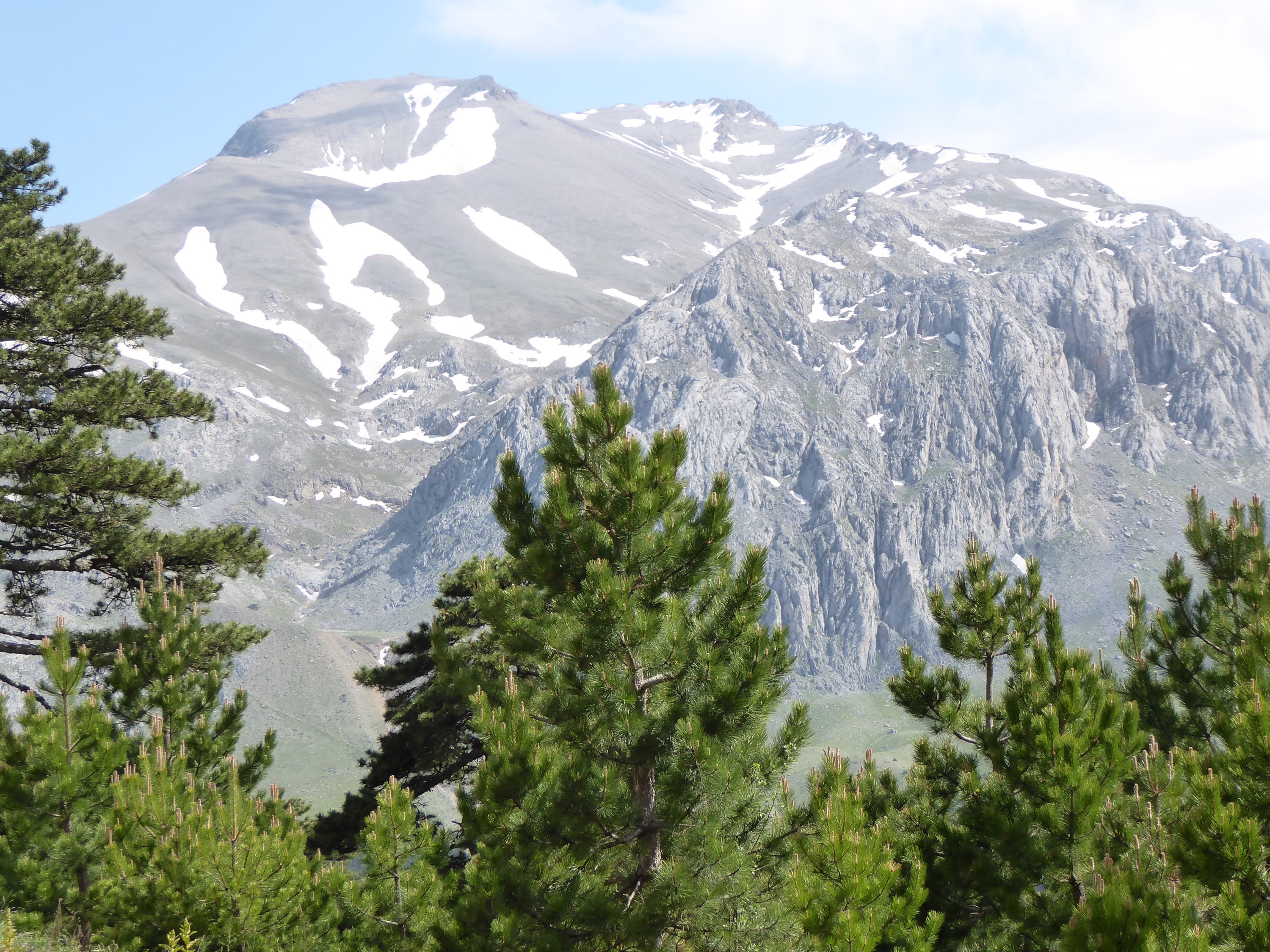
   The valley was stunning and started to feel pretty remote and then, eventually, we began the BIG climb. This was 750m of continuous up – and in parts it was very steep. But most was 10% or less and so we trudged up over the next 2 hours watching the landscape change in that imperceptible way that it does wen one is going at 5km per hour. Lots of stops, photos and drink breaks and we made it to the top. The scenery was reminiscent of both Greece and California – high mountains surrounding the valley, fir trees and sandy soil and sparse vegetation. It felt remote and the road was very quiet.  

   The descent was, of course, over in no time. We passed Yenisarbademli and camped a few km on, by the lake. It’s a lovely spot between the lake and the mountains even if, as we suspect, we are the first and only people to have ever camped here. We cooked, brewed coffee and tea and ate chocolate (thinking of and speaking to Pippa who has exams tomorrow). Last year it was Ant and next year it will be Becky on her Masters. It never seems to stop for them.
Anyway with double sleeping bags we hope we will be cosy all night. I type this as the dark has come and the wind has got up. If we get blown away this will be the last blog!

Day 7, Rest Day in Egidir

After 6 days on the bikes we already seem to have passed a lifetime since we left Birmingham airport but being the 7th day it was time for a rest for body and mind to recuperate and attend to mundane things such as washing. We couldn’t have chosen a better place. After a week of talking more or less only to each other, Charly’s Pension was a melting pot of nationalities. We met people from England, Germany, Khazacstan and Brazil. We booked to go on a trip arranged by the Pension to the ancient ruins of Sagalossus deep in the Taurus mountains and 6 of us set off in a minivan. It was rather strange to be whizzing along in a motorised vehicle!
  
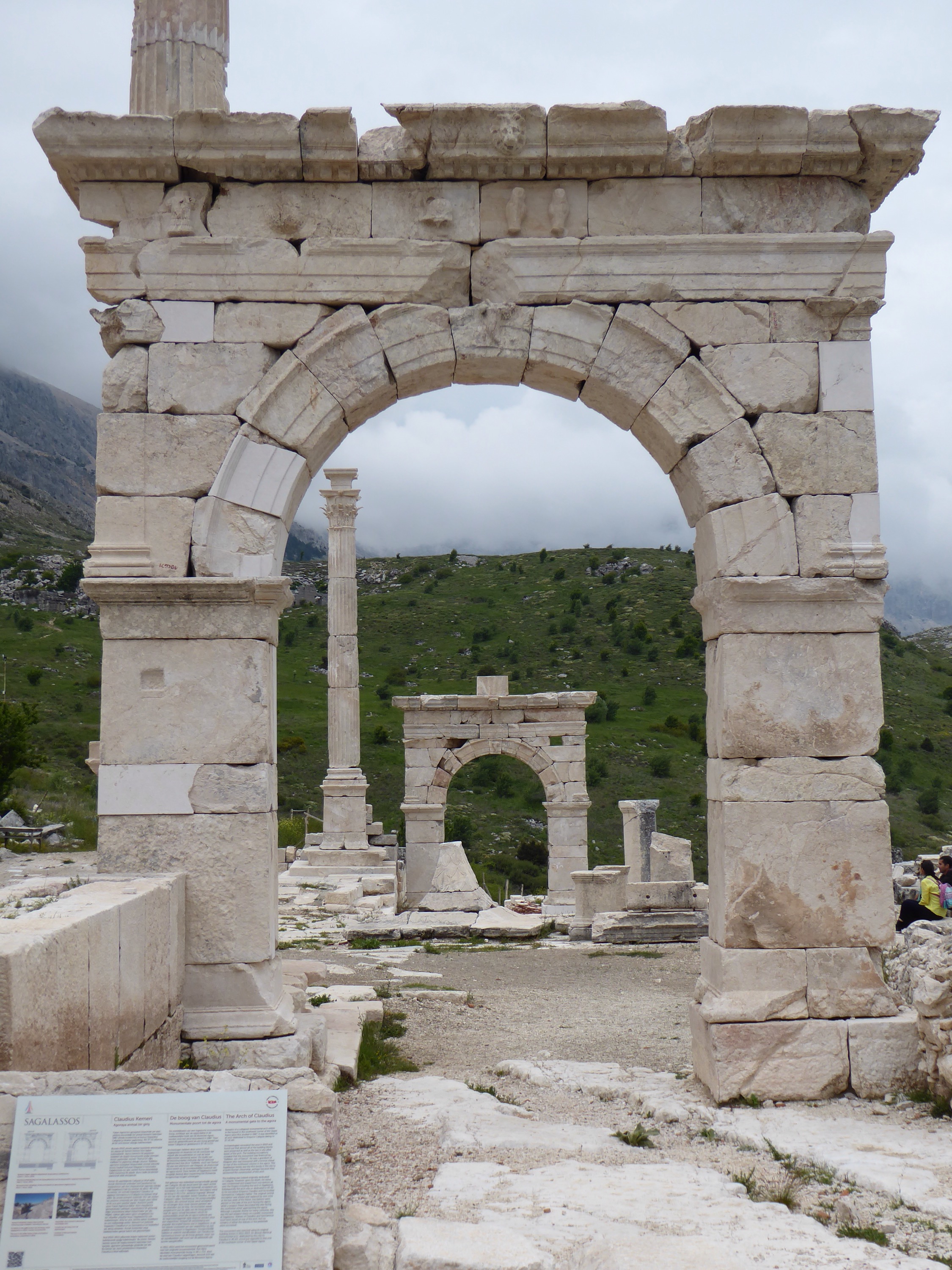
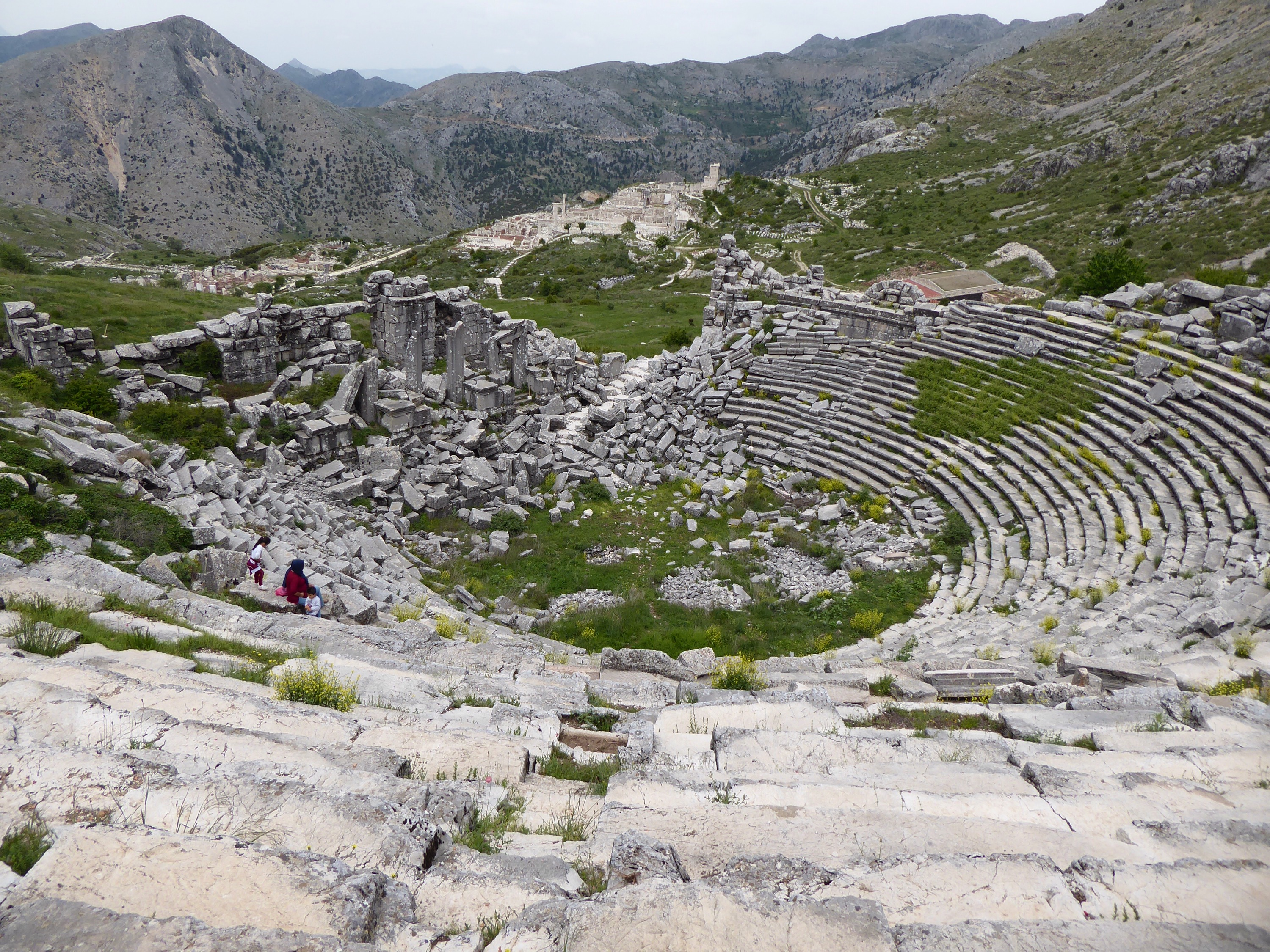
The Site of Sagalossus was amazing. It must be in one of the best settings we’ve ever been to, perched high on the mountains overlooking a valley below. For anyone who has ever been to Ephasus or similar and battled with coach loads of tour groups this was completely the opposite. A few cars in the car park, a few people dotted around the enormous site and we were free to wander around pretty much anywhere. 

   
 We climbed first right to the top of the site to the 9000 seater ampitheatre that looked down on the whole site and over mountains and valleys, The city had been mostly destroyed in an enormous earthquake in 560 AD and completely abandoned not long after following an outbreak of plague. It was rediscovered in the early 1700’s but true excavation has only been relatively recent and still on going, Most of the seating of the ampitheatre was intact but you could see how large parts of the structure had tumbled down in the earthquake and lay scattered, Above the ampitheatre they had just started to excavate a large area containing pottery workshops, which produced pottery on an industrial scale for across the Roman empire. Fragments of 2000 year old pots were scattered everywhere. 

  
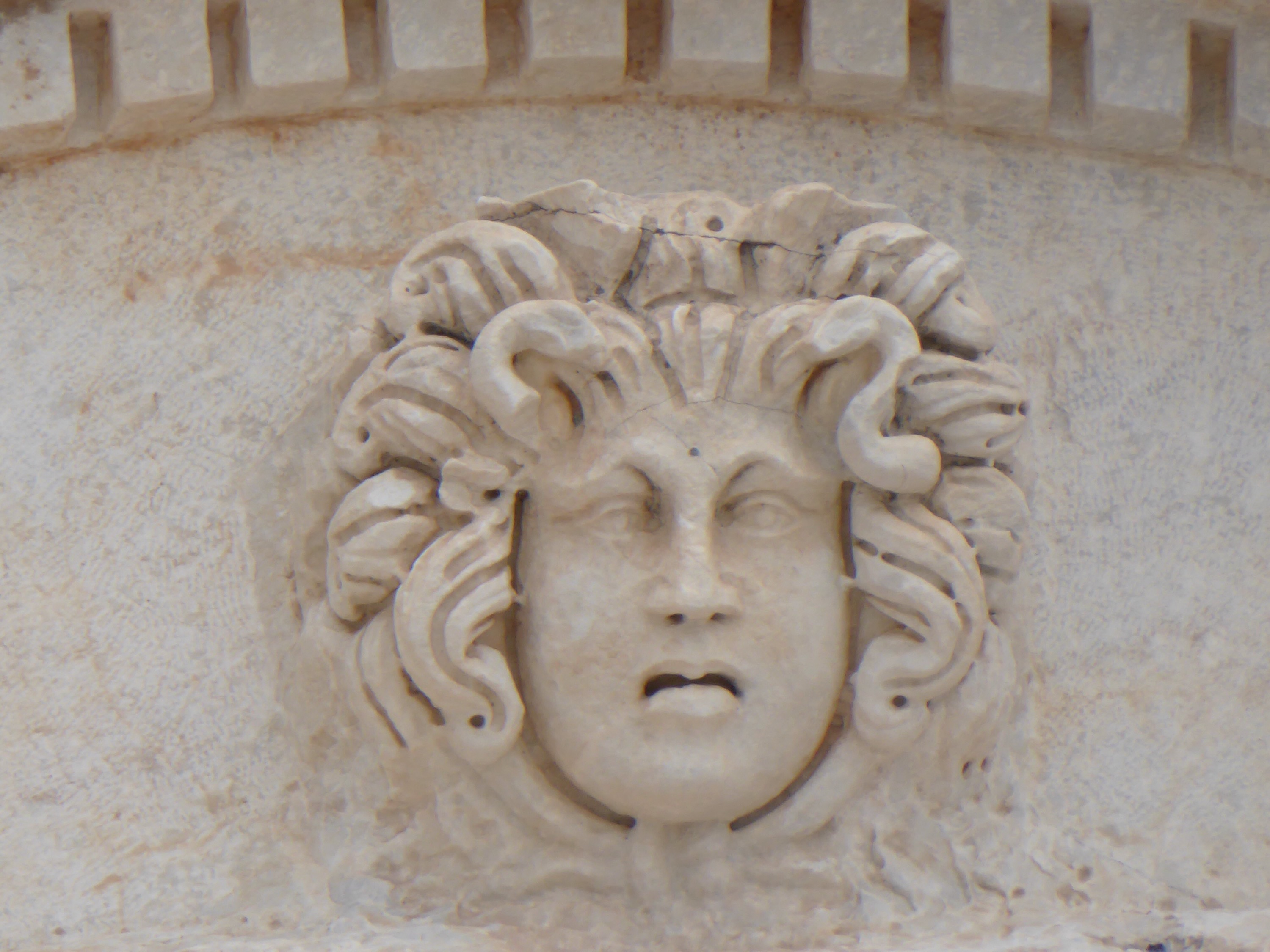
 Working our way down were market places, arches, burial sites, monuments and an incredible fountain. “Fountain” is an understatement as it was a whole ornately carved facade. It was only re-attached to a water source in 2010 to become a working fountain again. The place was atmospheric and well set out and we really enjoyed the visit.


After the cultural influx we had lunch in a cafe in the village below and then were driven on a longer route back through the mountains on small winding roads. A foretaste of what we would be tackling the next day.
Back in Egidir we brought additional cheap sleeping bags to supplement our current ones. More weight but we were going to even higher altitudes so decided we needed them, I am sure we will be grateful for them before the trip is out. We finished the day with a pleasant meal and fascinating conversation with Debbie from England and Aray from Kazakhstan (who is the same age as Becky). Feeling rejuvenated for our next section, 3 days to get to the city of Konya.